

Global Payments Inc. stocks have been trading up by 11.99 percent amid upbeat sentiment on robust digital payments growth.
Key Takeaways For GPN Traders
- Oppenheimer upgraded Global Payments to Outperform with a $115 target, leaning on derisked 2026 earnings, 2027 free cash flow acceleration, and Worldpay synergy upside.
- Bank of America restarted coverage with a Buy and $114 target, calling the Worldpay deal attractively valued with about $600M in cost and revenue synergies.
- KeyBanc lifted GPN to Overweight with a $105 target, seeing attractive risk/reward and room for a 6–12 month re-rating as organic growth and capital returns improve.
- Truist trimmed its target to $86 and kept a Hold rating, warning on a mixed payments setup with European softness and higher rates.
- Global Payments will report Q3 2026 results on 2026/11/05, with a webcast that traders will watch for confirmation of the bullish Street narrative.
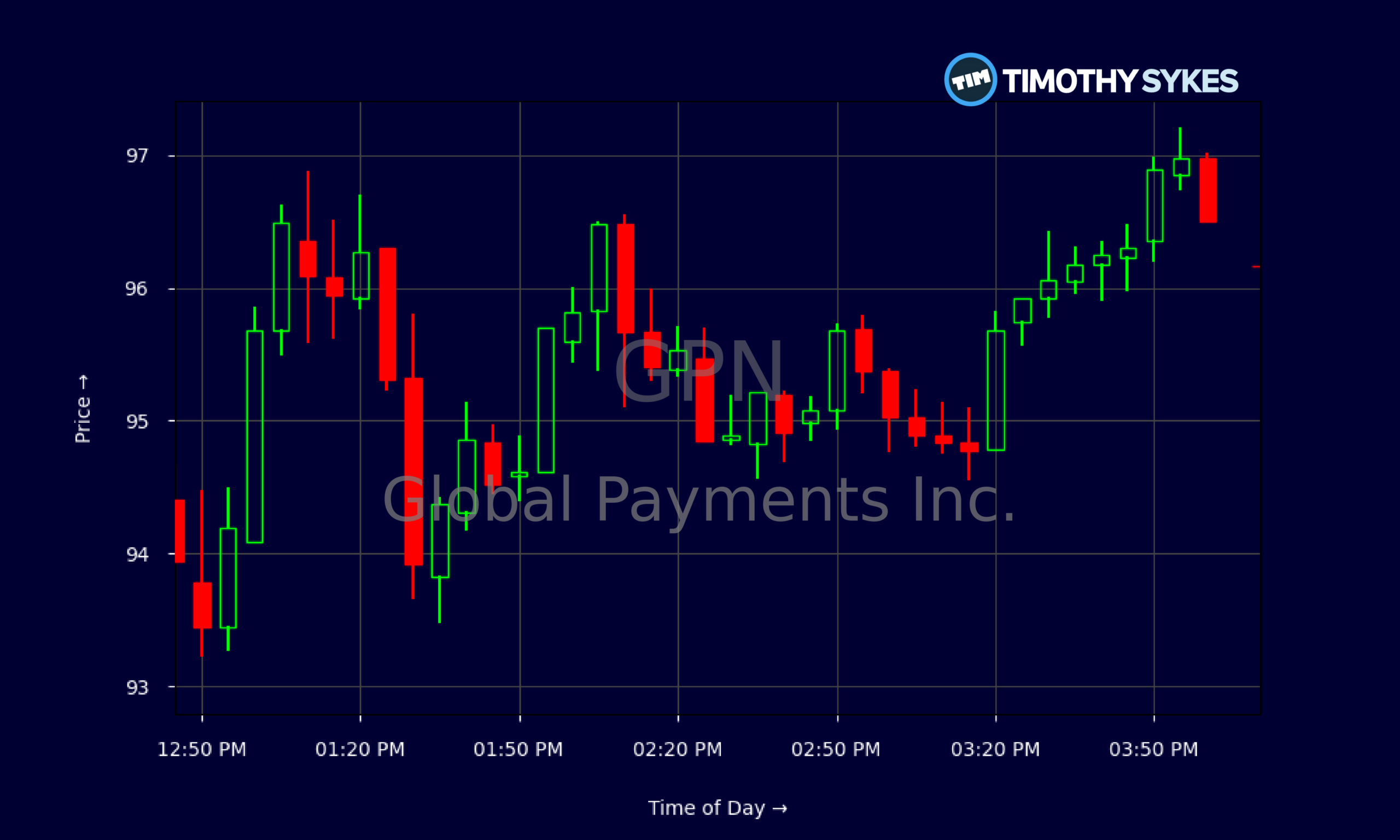
Live Update At 16:46:53 EDT: On Friday, October 30, 2026 Global Payments Inc. stock [NYSE: GPN] is trending up by 11.99%! Discover the key drivers behind this movement as well as our expert analysis in the detailed breakdown below.
Quick Financial Overview
GPN has quietly turned into a momentum story on the chart. Over the last several sessions, Global Payments climbed from the low $80s to a close near $96.84, with an intraday spike to about $101.32. That is a sharp repricing in a short window, and traders need to respect both the power of that trend and the risk of a shakeout.
Intraday, GPN showed classic trend-day behavior. After opening around $86, Global Payments ground higher almost all session, then exploded midday from the high $80s to above $100 before settling just under $97. That kind of range shows strong demand but also tells day traders this is no sleepy large cap.
Fundamentally, Global Payments generated about $7.71B in revenue over the last year with a fat 93% gross margin and a hefty 32.6% EBITDA margin. Net margins are much thinner because of amortization, interest, and special charges, which is why GPN’s profit metrics look messy. Debt is meaningful, with total debt-to-equity around 1.02 and a current ratio of 0.8, so the balance sheet is leveraged but manageable.
More Breaking News
For active traders, the key takeaway is simple: GPN is priced below its $87.34 book value and trades at roughly 2.3x sales and about 8x cash flow, giving bulls a valuation story to lean on while they ride the recent breakout.
Why Traders Are Watching GPN Into Q3
Global Payments is suddenly back on Wall Street’s radar, and that matters for trading. A cluster of upgrades has pushed sentiment bullish just as GPN squeezes off the lows.
Oppenheimer moved first, upgrading Global Payments to Outperform with a $115 price target. Their call leans on derisked 2026 earnings, operating leverage, and an acceleration in free cash flow by 2027 as one-time costs roll off. For traders, that means the firm believes Global Payments’ messy numbers today are setting up cleaner, stronger cash generation down the road. When big brokers frame a name as “derisked,” it often invites longer‑term money back into the tape.
Bank of America piled on, reinstating coverage of GPN with a Buy and a $114 target. Their focus is the Worldpay acquisition. They see about $600M in cost and revenue synergies, which, if executed, can boost earnings power and justify multiple expansion. For swing traders, this synergy story is the core catalyst: every time Global Payments management updates synergy progress, the stock can react.
KeyBanc added more fuel, upgrading GPN to Overweight with a $105 target and talking about attractive risk/reward and organic growth improvement into FY27. They also highlighted capital returns, a nod to buybacks and dividends that give dip-buyers a backstop.
Not everyone is pounding the table. Truist cut its target to $86 and held a neutral stance, flagging European consumer softness and higher interest rates. That is the risk side of the trade: if macro or Europe disappoints when Global Payments reports Q3 2026 results on 2026/11/05, GPN can snap back hard after this run.
Still, consensus data show an overweight bias and a mean target around $104–$105, well above the prior ~$82 level where Global Payments was trading when many of these notes hit. For now, the Street sees upside; the tape is starting to agree.
Conclusion
GPN is stepping into its Q3 2026 print with momentum, a fresh batch of bullish analyst calls, and a chart that finally woke up. Global Payments broke out from a tight low‑$80s range and ripped toward $100 on heavy intraday follow‑through, which is exactly the type of action momentum traders study night after night.
But this is still a battleground around expectations. Bulls in Global Payments are leaning on the Worldpay synergy math, the long runway for digital payments, and the idea that free cash flow ramps into 2027 as one‑time hits fade. Bears and cautious desks worry about leverage, Europe, and what happens if macro surprises to the downside right as GPN rallies into earnings. In a setup like this, risk management and trade selection matter as much as nailing the direction; as millionaire penny stock trader and teacher Tim Sykes, says, “The goal is not to win every trade but to protect your capital and keep moving forward.” That mindset is crucial when price and sentiment are both accelerating into a major report.
This makes the 2026/11/05 Q3 webcast a key catalyst. Traders should track how Global Payments talks about synergy capture, capital returns, and any change in organic growth trends. As Tim Sykes likes to remind traders, “Patterns repeat, but only if you’re prepared to see them.” For GPN, the pattern right now is a sentiment turn backed by upgrades and a breakout chart. The next move will come from how those expectations line up with the numbers, and disciplined traders will be ready on both sides of the trade.
This is stock news, not investment advice. Timothy Sykes News delivers real-time stock market news focused on key catalysts driving short-term price movements. Our content is tailored for active traders and investors seeking to capitalize on rapid price fluctuations, particularly in volatile sectors like penny stocks. Readers come to us for detailed coverage on earnings reports, mergers, FDA approvals, new contracts, and unusual trading volumes that can trigger significant short-term price action. Some users utilize our news to explain sudden stock movements, while others rely on it for diligent research into potential investment opportunities.
Dive deeper into the world of trading with Timothy Sykes, renowned for his expertise in penny stocks. Explore his top picks and discover the strategies that have propelled him to success with these articles:
- Penny Stocks Trading Guide
- Best Penny Stocks Under $1 to Buy Today
- Top 8 Penny Stocks to Watch on Robinhood
Once you’ve got some stocks on watch, elevate your trading game with StocksToTrade the ultimate platform for traders. With specialized tools for swing and day trading, StocksToTrade will guide you through the market’s twists and turns.
Dig into StocksToTrade’s watchlists here:





Leave a reply