

FTAI Aviation Ltd. stocks have been trading up by 16.63 percent after upbeat coverage highlighted strong growth and earnings momentum.
Key Takeaways For FTAI Traders
- Multi‑year engine Maintenance, Repair and Exchange deal with United Airlines deepens FTAI’s role in CFM56‑7B support and feeds its MRO network.
- New Macquarie Outperform launch and Street‑wide Buy ratings leave FTAI with mean targets far above current prices, despite a few target trims.
- Major houses like Morgan Stanley and RBC cut price targets but kept bullish ratings, signaling valuation reset rather than a thesis break.
- Shares recently spiked 7.3% to $169.53, showing strong short‑term momentum in FTAI trading without fresh fundamentals.
- Upcoming Q3 2026 earnings and a New York investor day give FTAI a high‑profile stage to update on growth, margins, and capital use.
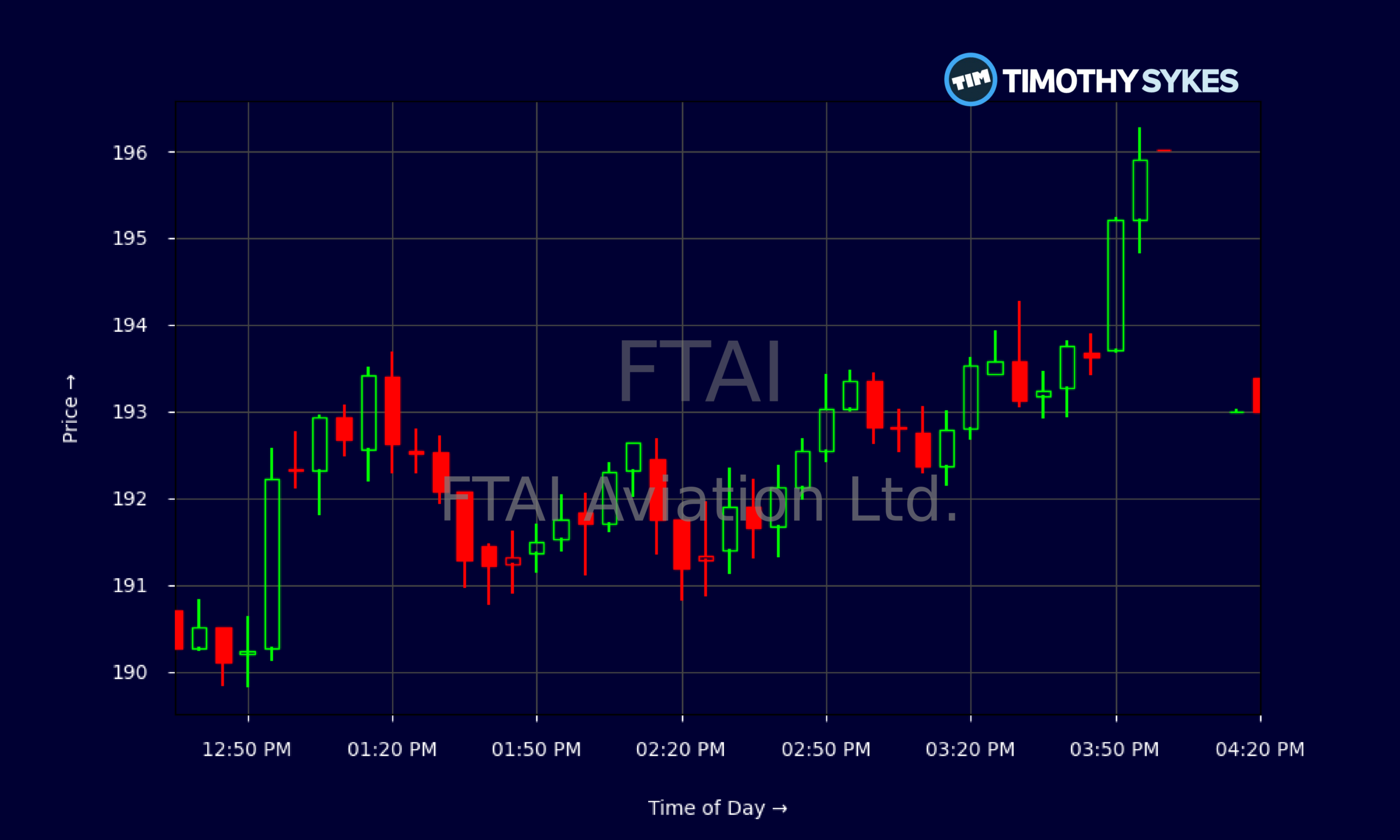
Live Update At 16:47:02 EDT: On Thursday, October 29, 2026 FTAI Aviation Ltd. stock [NASDAQ: FTAI] is trending up by 16.63%! Discover the key drivers behind this movement as well as our expert analysis in the detailed breakdown below.
Quick Financial Overview
FTAI Aviation has been trading like a momentum name, but the numbers backing it are not just story stock material. Over the last several sessions, FTAI ripped from the mid‑$150s to near $196, breaking out after a grind higher from around $164 earlier in the month. That is a sharp, trend‑friendly move that active traders look for.
Under the hood, FTAI is generating serious revenue and margins. The company booked about $2.51B in revenue over the last year, with an 85.5% gross margin and EBIT margin around 24.4%. That tells traders FTAI’s engine and aviation services model throws off high‑value revenue, not thin‑margin volume.
More Breaking News
The flip side is valuation and leverage. FTAI trades at a rich P/E near 37 with a price‑to‑sales ratio around 5.6 and price‑to‑book over 43, which means the market is already pricing in strong growth. Debt is heavy, with total‑debt‑to‑equity above 8, though current and quick ratios show FTAI can cover near‑term obligations. For traders, that combination—high growth, high margin, high leverage—usually means big trend potential but also violent pullbacks when sentiment shifts.
Why Traders Are Watching FTAI Right Now
FTAI Aviation has become a central trading name in aerospace because real business wins and strong Street backing are colliding with technical momentum. The headline catalyst is the multi‑year Maintenance, Repair and Exchange agreement with United Airlines covering CFM56‑7B engines on the 737 NG fleet. This isn’t a one‑off sale. FTAI will supply serviceable engines ahead of removals and then buy back United’s unserviceable units as feedstock for its own MRO network.
For traders, that matters. It locks in recurring work, deepens FTAI’s integration with a top U.S. carrier, and secures raw material for high‑margin repair and leasing activity. Deals like this often support steadier EBITDA and can cushion FTAI during macro air‑travel bumps.
Wall Street is leaning in. Macquarie launched coverage on FTAI with an Outperform and a $305 target, and grouped the name among a basket of aerospace and defense companies set to benefit from a multi‑year upcycle in global defense and space spending. Citizens reiterated its Outperform, nudged 2027 EBITDA forecasts higher, and stuck with a $375 target, saying prior share weakness came from macro AI‑infrastructure sentiment, not FTAI‑specific cracks.
Yes, some numbers are coming down at the margin. Morgan Stanley dropped its target from $360 to $310, and RBC trimmed from $300 to $250. But both kept bullish ratings—Overweight and Outperform—and the Street’s mean target still sits roughly in the mid‑$300s. That is far above the recent $169–$196 band where FTAI has been trading, a gap traders watch whenever momentum lines up with a perceived “discount” to analyst targets.
Layer on top a 7.3% single‑session spike to $169.53 with no fresh fundamental headline attached, and you have a name where positioning and sentiment are clearly driving aggressive trading flows ahead of the next catalyst.
Conclusion
FTAI Aviation sits at the crossroads of story and numbers, which is exactly where active traders like to hunt. The United Airlines engine MRE deal gives FTAI a long runway of recurring, operationally sticky business, plus ongoing feedstock for its engine MRO ecosystem. Strong margins, rising revenue, and a growing role across multiple aviation segments support the bullish narrative—while leverage and a premium valuation keep the stock sensitive to any hint of disappointment.
On the Street, the message is consistent: targets are being tightened, but the thesis is intact. Macquarie’s new Outperform launch, Citizens’ raised 2027 EBITDA view, and ongoing positive ratings from Morgan Stanley and RBC all frame FTAI as a core way to trade the aerospace and defense upcycle rather than a fading story. The scheduled Q3 2026 earnings release and in‑person New York investor event will be key moments for FTAI to defend that view, update on the United program, and lay out its multi‑division growth roadmap.
For traders, the playbook is straightforward but unforgiving. The trend is strong, the stock is volatile, and the expectations bar is high. As millionaire penny stock trader and teacher Tim Sykes, says, “There is always another play around the corner; don’t chase just because you feel FOMO.” As Tim Sykes likes to remind his community, “The market doesn’t care about your opinion, only about price action—respect the trend, but always be ready to cut losses fast.” This coverage of FTAI is for educational and research purposes only and should be used as one more tool in that disciplined, price‑focused approach to trading.
This is stock news, not investment advice. Timothy Sykes News delivers real-time stock market news focused on key catalysts driving short-term price movements. Our content is tailored for active traders and investors seeking to capitalize on rapid price fluctuations, particularly in volatile sectors like penny stocks. Readers come to us for detailed coverage on earnings reports, mergers, FDA approvals, new contracts, and unusual trading volumes that can trigger significant short-term price action. Some users utilize our news to explain sudden stock movements, while others rely on it for diligent research into potential investment opportunities.
Dive deeper into the world of trading with Timothy Sykes, renowned for his expertise in penny stocks. Explore his top picks and discover the strategies that have propelled him to success with these articles:
- Penny Stocks Trading Guide
- Best Penny Stocks Under $1 to Buy Today
- Top 8 Penny Stocks to Watch on Robinhood
Once you’ve got some stocks on watch, elevate your trading game with StocksToTrade the ultimate platform for traders. With specialized tools for swing and day trading, StocksToTrade will guide you through the market’s twists and turns.
Dig into StocksToTrade’s watchlists here:





Leave a reply