

FormFactor Inc. stocks have been trading up by 5.99 percent following strong advanced semiconductor test demand and bullish analyst upgrades.
Key Takeaways
- A new technology collaboration with Teradyne, backed by a $300M equity stake, ties FormFactor directly to next‑gen AI and high‑performance compute test demand.
- The stock is moving from the S&P SmallCap 600 into the S&P MidCap 400 on 2026/10/06, replacing Twilio and boosting index‑fund exposure.
- Deutsche Bank launched coverage of FORM with a Buy rating and a bold $200 price target, well above the roughly $155 consensus.
- Q3 2026 earnings for FormFactor are slated for release on 2026/10/28, with a webcasted call.
- CEO Mike Slessor recently sold 11,098 shares for about $1.39M but still controls roughly 455,596 shares, according to Form 4 filings.
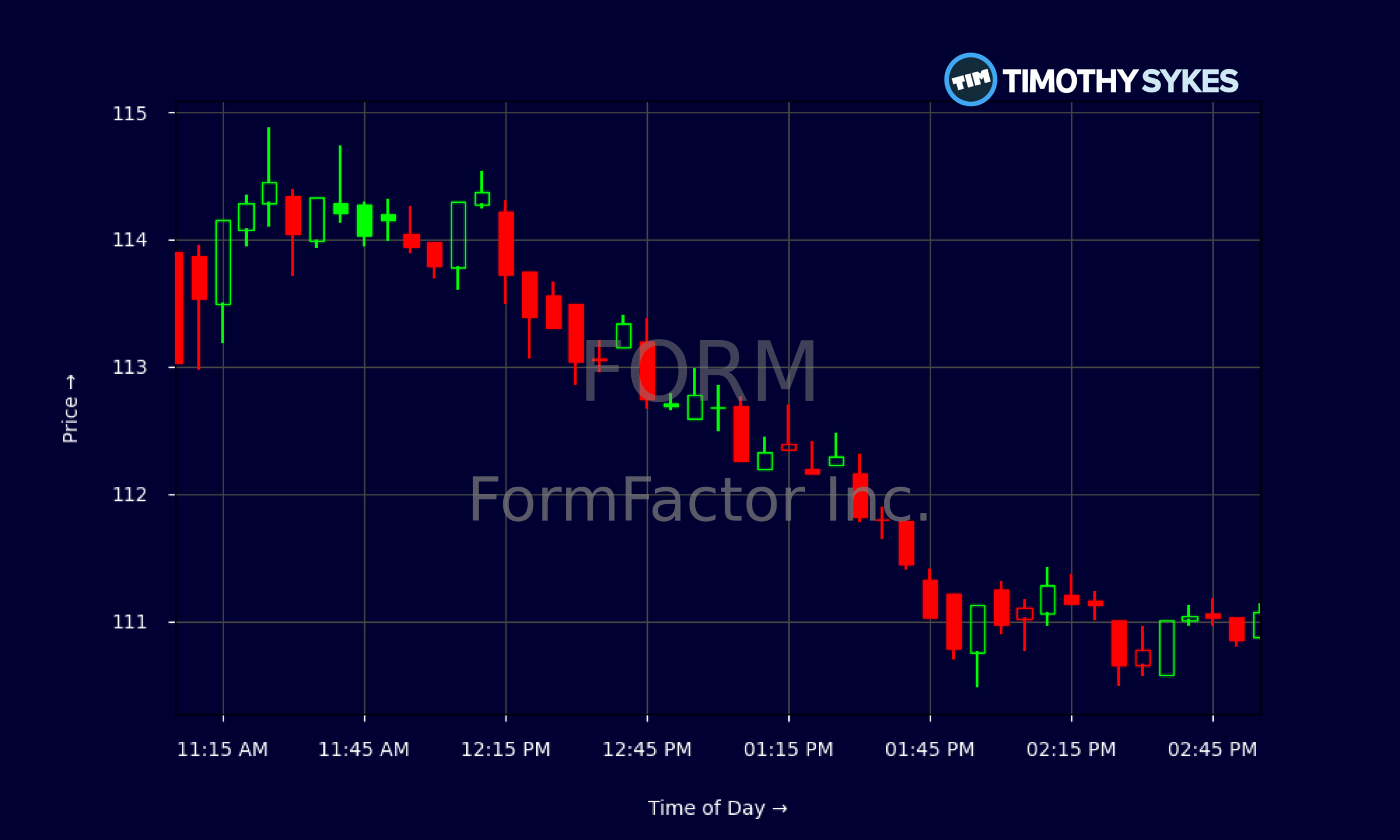
Live Update At 15:02:27 EDT: On Monday, October 19, 2026 FormFactor Inc. stock [NASDAQ: FORM] is trending up by 5.99%! Discover the key drivers behind this movement as well as our expert analysis in the detailed breakdown below.
Quick Financial Overview
FORM has been on a wild ride the past few weeks. After trading near $150 at the end of September, FormFactor slid from a 2026/10/12 close around $130.28 down to $111.30 on 2026/10/19. That’s a steep pullback of roughly 25% from the recent 2026/10/06 high near $148.32, even as the news flow turned very bullish.
Intraday, FORM now looks like it is basing. The 5‑minute tape on 2026/10/19 shows tight action between about $110.50 and $113, with the close at $111.30. That kind of compressed range after a sharp drop often signals indecision, not panic.
Under the hood, FormFactor is a high‑margin, high‑valuation name. Revenue over the last year sits near $785M, with gross margin around 43.1% and EBIT margin at 13.3%. The balance sheet is clean: total‑debt‑to‑equity is just 0.03, and the current ratio is a strong 4.1, giving FORM plenty of flexibility.
More Breaking News
The flip side is price. A P/E near 96.3 and price‑to‑sales of about 12.1 tell traders the market already expects big growth. That makes every catalyst — good or bad — matter more. When expectations are this high, traders must respect both momentum and risk, and be ready to cut losses fast if the story cracks.
Why Traders Are Watching FormFactor Now
FormFactor just dropped one of the more important headlines in the semiconductor test space this year. Teradyne is putting $300M straight into FormFactor common stock and locking in a broad technology collaboration covering high‑performance compute, AI, high‑bandwidth memory, advanced packaging, and silicon photonics. For a mid‑cap like FORM, that is a major vote of confidence from a sector heavyweight.
For momentum traders, this deal does two big things. First, it injects serious capital that can support FormFactor’s roadmap in cutting‑edge test systems. Second, it ties FORM directly to the fastest‑growing parts of the chip ecosystem — AI accelerators, data‑center compute, and advanced memory. When the market chases AI exposure, traders scan for names like FormFactor that sit in the equipment and test supply chain.
The collaboration also targets joint customer opportunities. That matters because selling integrated solutions with Teradyne can open doors that might have been harder for FormFactor alone. Traders love that kind of leverage: same R&D dollar, bigger potential sales funnel.
At the same time, FORM is climbing the index ladder. S&P is moving FormFactor from the SmallCap 600 to the MidCap 400, where it will replace Twilio starting at the 2026/10/06 open. Index changes like this often force mechanical buying from funds tracking the MidCap 400 and selling from SmallCap 600 trackers. Around effective dates, that flow can add liquidity and support the share price, sometimes creating tradable spikes or shakeouts.
Layer onto that a fresh Buy from Deutsche Bank with a $200 target — far above the current level and above the roughly $155.63 consensus. That kind of aggressive target signals that at least one major desk thinks the Teradyne tie‑up and secular AI test demand justify a richer multiple for FORM. For active traders, that’s gasoline on the narrative.
Conclusion
Right now, FormFactor sits at an interesting crossroads. On one hand, FORM has pulled back hard from recent highs, even as it secured a $300M equity commitment from Teradyne, locked in a strategic technology collaboration in AI and high‑performance compute, and stepped up into the S&P MidCap 400. On the other hand, the valuation is still rich, insider filings show CEO Mike Slessor trimming 11,098 shares for about $1.39M, and expectations are high heading into Q3 numbers on 2026/10/28.
For traders, that mix is exactly where big opportunities — and big traps — tend to show up. The tape tells you FORM is consolidating after a selloff. The fundamentals and news tell you the company has real growth levers, a strong balance sheet, and increasing Wall Street attention, highlighted by Deutsche Bank’s $200 target and the index promotion.
As always, the key is discipline. The next catalysts are clear: regulatory approvals for the Teradyne stake, any early signs of joint wins in next‑gen test, and what management says on the Q3 call about AI, HBM, and advanced packaging demand. As Tim Sykes loves to remind traders, “The market doesn’t care about your opinion, only your preparation — study the news, study the charts, and always be ready to cut losses quickly.” As millionaire penny stock trader and teacher Tim Sykes says, “Cut losses quickly, let profits ride, and don’t overtrade.”. FormFactor gives you a strong story to study; your job is to trade the price action, not the hype.
This is stock news, not investment advice. Timothy Sykes News delivers real-time stock market news focused on key catalysts driving short-term price movements. Our content is tailored for active traders and investors seeking to capitalize on rapid price fluctuations, particularly in volatile sectors like penny stocks. Readers come to us for detailed coverage on earnings reports, mergers, FDA approvals, new contracts, and unusual trading volumes that can trigger significant short-term price action. Some users utilize our news to explain sudden stock movements, while others rely on it for diligent research into potential investment opportunities.
Dive deeper into the world of trading with Timothy Sykes, renowned for his expertise in penny stocks. Explore his top picks and discover the strategies that have propelled him to success with these articles:
- Penny Stocks Trading Guide
- Best Penny Stocks Under $1 to Buy Today
- Top 8 Penny Stocks to Watch on Robinhood
Once you’ve got some stocks on watch, elevate your trading game with StocksToTrade the ultimate platform for traders. With specialized tools for swing and day trading, StocksToTrade will guide you through the market’s twists and turns.
Dig into StocksToTrade’s watchlists here:





Leave a reply