

Medical Properties Trust Inc. stocks have been trading down by -3.12 percent amid renewed fears over tenant solvency and rent recovery.
Key Takeaways
- Price action in Medical Properties Trust Inc. has broken down from the $3.00 area, with MPT now trading near $2.17 and testing recent support.
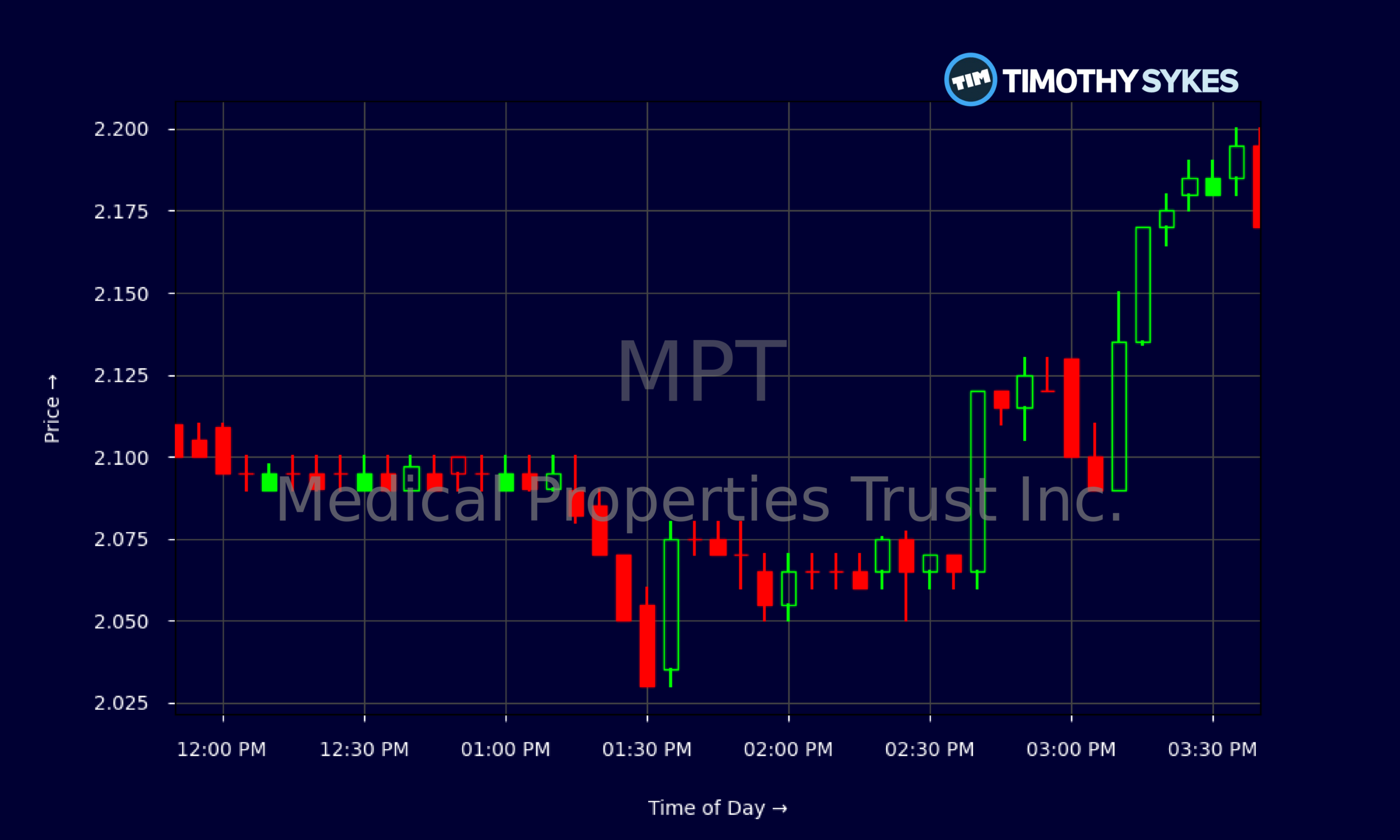
- Recent intraday trading in MPT shows tight consolidation around $2.10–$2.20, signaling a tug-of-war between dip buyers and sellers.
- Financials show MPT generating solid operating cash flow but carrying heavy debt, putting leverage in sharp focus for active traders.
- Valuation metrics like price-to-book near 0.42 make MPT look cheap on paper, but negative earnings keep many traders cautious.
Live Update At 15:46:33 EST: On Monday, November 02, 2026 Medical Properties Trust Inc. stock [NYSE: MPT] is trending down by -3.12%! Discover the key drivers behind this movement as well as our expert analysis in the detailed breakdown below.
Quick Financial Overview
Medical Properties Trust Inc. is a classic “good business, tough balance sheet” story, and traders are treating MPT that way. On the income side, MPT posted roughly $259.3M in quarterly revenue with a hefty 97% gross margin. That sounds amazing, but once interest and special charges hit, net income flipped to a loss of about $2.6M and EPS landed at roughly -$0.01. For active traders, that disconnect between revenue strength and bottom-line weakness is key.
More Breaking News
Cash flow tells a slightly different story. MPT generated about $62.4M in operating cash flow and similar free cash flow in the latest quarter, even after paying roughly $54.3M in cash dividends. So cash is still moving, but it’s tight. On the balance sheet, Medical Properties Trust Inc. shows about $14.7B in total assets and $4.5B in equity, but long-term debt sits near $9.0B, driving a total debt-to-equity ratio above 2. That leverage puts pressure on MPT whenever rates move or sentiment sours, which is exactly what short-term traders are reacting to in this range.
Why Traders Are Watching MPT Price Support
MPT has been on a steady slide on the daily chart. Just weeks ago, Medical Properties Trust Inc. was hovering in the low $3s, closing around $3.14–$3.19. Since then, each bounce has failed lower. The stock faded from $3.20s to $2.80s, then down through $2.50, and now MPT is printing closes in the low $2s, with the latest around $2.17. That is a clear downtrend, and trend-following traders see it.
At the same time, the intraday 5‑minute chart shows Medical Properties Trust Inc. grinding sideways between roughly $2.10 and $2.20 for much of the day. Early in the session, MPT popped off the open toward $2.25 but quickly sold off, then spent hours bouncing in a tight, almost flat band near $2.09–$2.12 before a small afternoon push back toward $2.17–$2.20. That intraday action screams “consolidation after a selloff.”
For day traders, that range matters. A break above the $2.25–$2.30 zone with volume could trigger a short squeeze and a quick scalp toward prior resistance near $2.50. A crack below $2.05–$2.00 might open the door to fresh lows and continuation of the downtrend. Swing traders studying MPT also watch the valuation. Price-to-book around 0.42 and price-to-sales near 1.84 say Medical Properties Trust Inc. trades at a heavy discount to its asset base, but the negative profit margin and high leverage show why the market is skeptical. The battle between “cheap” and “debt-heavy” is exactly what fuels these volatile setups.
Conclusion
For active traders, Medical Properties Trust Inc. is a textbook example of why price action always comes first. MPT’s financials send a mixed message: strong gross margin, decent operating cash flow, and a dividend around $0.36 per year, yet a heavily levered balance sheet and negative net profit. The market’s vote shows up clearly in the chart. Medical Properties Trust Inc. has broken down from the $3.00 area and is now chopping just above $2.00, where buyers and sellers are fighting over the next leg.
Short-term traders focus on those clear technical levels. Support sits near $2.00, resistance stacks up from about $2.25 to $2.50, and the intraday tape in MPT shows tight consolidation that often precedes a bigger move. Whether that move is a bounce or another flush will depend on how traders react to any shifts in rates, risk appetite, or sector sentiment.
The lesson for anyone watching Medical Properties Trust Inc. is simple: study the numbers, but trade the chart. As Tim Sykes likes to say, “The market doesn’t care about your opinion, it cares about price action — respect the trend, cut losses fast, and let the best setups come to you.” As millionaire penny stock trader and teacher Tim Sykes says, “Cut losses quickly, let profits ride, and don’t overtrade.”. For MPT, that means being ready for the break, not guessing the bottom.
This is stock news, not investment advice. Timothy Sykes News delivers real-time stock market news focused on key catalysts driving short-term price movements. Our content is tailored for active traders and investors seeking to capitalize on rapid price fluctuations, particularly in volatile sectors like penny stocks. Readers come to us for detailed coverage on earnings reports, mergers, FDA approvals, new contracts, and unusual trading volumes that can trigger significant short-term price action. Some users utilize our news to explain sudden stock movements, while others rely on it for diligent research into potential investment opportunities.
Dive deeper into the world of trading with Timothy Sykes, renowned for his expertise in penny stocks. Explore his top picks and discover the strategies that have propelled him to success with these articles:
- Penny Stocks Trading Guide
- Best Penny Stocks Under $1 to Buy Today
- Top 8 Penny Stocks to Watch on Robinhood
Once you’ve got some stocks on watch, elevate your trading game with StocksToTrade the ultimate platform for traders. With specialized tools for swing and day trading, StocksToTrade will guide you through the market’s twists and turns.
Dig into StocksToTrade’s watchlists here:





Leave a reply