

Coeur Mining, Inc. stocks have been trading down by -3.12 percent amid investor concern over weaker-than-expected production outlook.
Key Takeaways
- Price action in CDE has cooled from mid-month highs above $17 to around $14, creating a clear pullback zone on the daily chart.
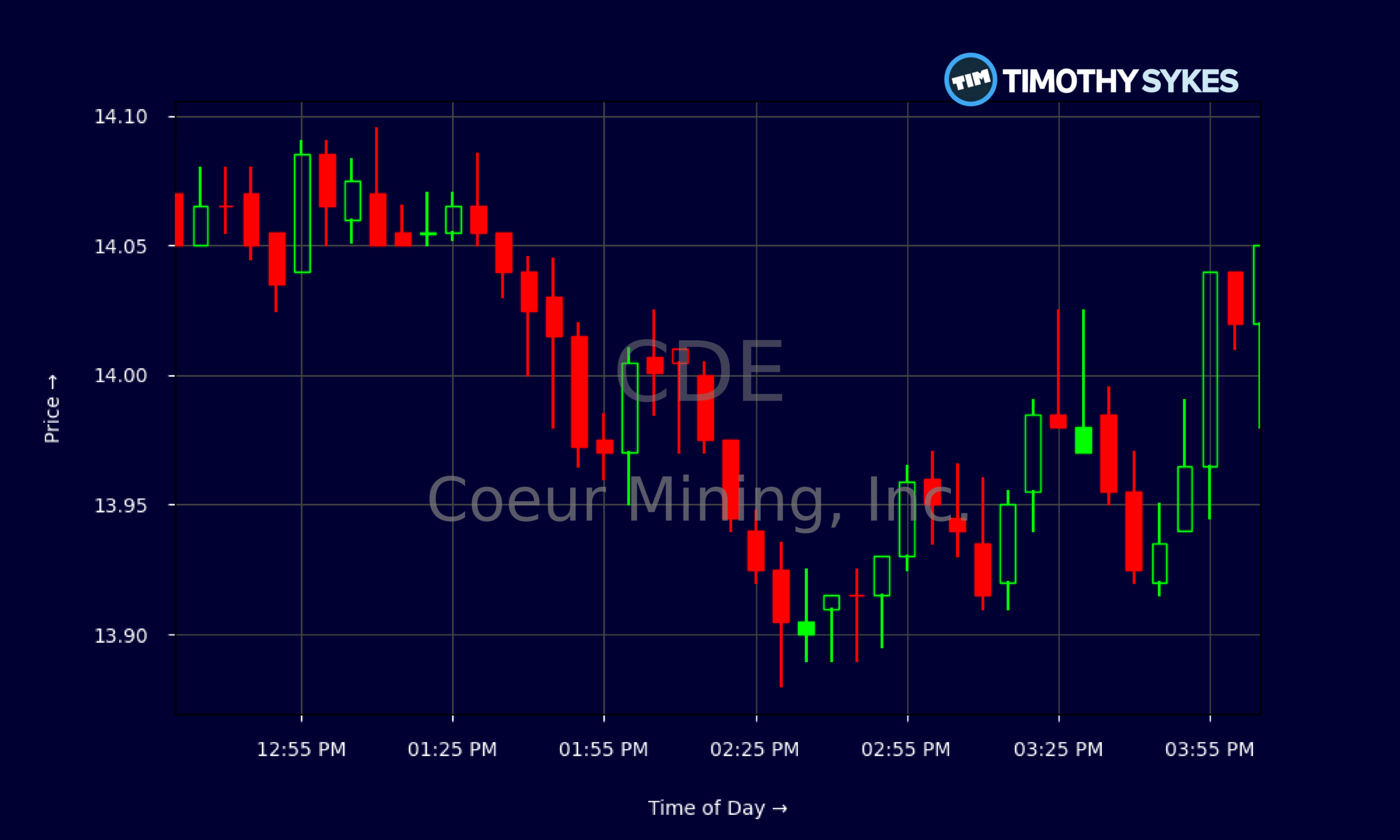
- Intraday trading in Coeur Mining, Inc. stayed locked in a tight band near $14, signaling consolidation after recent volatility.
- Strong gross margin near 42% and EBITDA margin above 50% show CDE is squeezing solid profits from its revenue base.
- Low debt levels and a current ratio above 3 suggest CDE has room to weather sector swings without balance-sheet stress.
- Active traders are watching prior highs near $17 and recent lows around $13 as key breakout and breakdown levels for CDE.
Live Update At 16:46:58 EDT: On Thursday, October 29, 2026 Coeur Mining, Inc. stock [NYSE: CDE] is trending down by -3.12%! Discover the key drivers behind this movement as well as our expert analysis in the detailed breakdown below.
Quick Financial Overview
CDE has been trading like a rollercoaster that just crested a big hill. Earlier in the month, Coeur Mining, Inc. pushed toward $17–$18 before sliding back into the mid-teens. Over the last two weeks, CDE has drifted from about $17.15 down to a recent close near $14.04, showing a steady grind lower rather than a panic flush. That matters. A grind often signals rotation, not capitulation.
On the numbers side, Coeur Mining, Inc. booked about $2.07B in revenue over the trailing period, with revenue growth above 60% over three years. Profitability metrics are surprisingly strong for a cyclical name: EBIT margin at 34.3% and EBITDA margin at 50.2%. For traders, that says CDE is not just chasing top-line growth; it’s converting sales into real operating profit.
More Breaking News
Leverage is modest. Total debt to equity sits around 0.07, while the current ratio near 3.7 and quick ratio around 2.3 show comfortable liquidity. With a P/E around 13.9 and price-to-book of 1.69, CDE is not “garage-sale cheap,” but the valuation lines up with a profitable operator that has room to maneuver if metals prices stay supportive.
Why Traders Are Watching CDE Price Action
CDE has the kind of chart that gets short-term traders leaning forward. On the daily timeframe, Coeur Mining, Inc. topped near $17–$18 in early October, then stepped down in stages to the low-teens. Recent closes between $13.45 and $14.42 show the stock trying to stabilize just above prior support, with $13 roughly marking the line the market has defended so far.
Zoom into the intraday data and the story gets tighter. CDE spent the latest session pinned between roughly $13.90 and $14.10 for most of regular hours trading. The five-minute candles around midday show repeated taps of $14.05–$14.10 that failed to expand into a real push. That’s classic consolidation. Buyers are present, but they’re not yet strong enough to force a trend day.
For active traders, this type of action in Coeur Mining, Inc. sets up clean risk-reward scenarios. A sustained hold above $14 keeps the door open for a bounce back toward the $15–$16 range where CDE stalled earlier this month. On the downside, a decisive break under $13.40–$13.50 brings the recent low near $13.12 into play and raises the odds of a deeper retrace.
The fundamentals back up the idea that CDE can stay in the game while the chart finds direction. Return on equity near 12–13% (on a last-twelve-month basis) and strong interest coverage around 58x tell traders this is not a balance-sheet fire drill. That lets short-term players focus on price levels and momentum signals rather than worrying about solvency every tick.
Conclusion
Right now, CDE sits in that tricky zone where both bull and bear cases are visible on the chart. Coeur Mining, Inc. has pulled back sharply from its October highs, but the selling pressure has started to cool. The tight intraday range around $14 shows traders are debating the next move rather than rushing for the exits. For pattern-focused traders, that means it’s time to map levels and wait.
On the fundamental side, Coeur Mining, Inc. is throwing off strong operating cash flow — over $513M last quarter — against capital spending of about $126M, leaving hefty free cash flow north of $380M. That gives CDE strategic flexibility whether metals stay choppy or catch another leg higher. Low leverage and solid liquidity further support the idea that any chart-driven washouts would be opportunities for nimble short-term trading, not signs of a broken company.
The key now is discipline. CDE traders should define their lines in the sand: support near $13–$13.50, resistance in the mid-teens, and the $17 area as the bigger-picture breakout level. As millionaire penny stock trader and teacher Tim Sykes says, “Small gains add up over time; focus on building wealth gradually, not chasing jackpots.” As Tim Sykes likes to say, “The market rewards prepared traders, not hopeful ones.” Coeur Mining, Inc. offers a live case study in that idea — a stock with real numbers behind it, clear technical levels, and plenty of room for both long and short setups for those who plan their trades and cut losses fast.
This is stock news, not investment advice. Timothy Sykes News delivers real-time stock market news focused on key catalysts driving short-term price movements. Our content is tailored for active traders and investors seeking to capitalize on rapid price fluctuations, particularly in volatile sectors like penny stocks. Readers come to us for detailed coverage on earnings reports, mergers, FDA approvals, new contracts, and unusual trading volumes that can trigger significant short-term price action. Some users utilize our news to explain sudden stock movements, while others rely on it for diligent research into potential investment opportunities.
Dive deeper into the world of trading with Timothy Sykes, renowned for his expertise in penny stocks. Explore his top picks and discover the strategies that have propelled him to success with these articles:
- Penny Stocks Trading Guide
- Best Penny Stocks Under $1 to Buy Today
- Top 8 Penny Stocks to Watch on Robinhood
Once you’ve got some stocks on watch, elevate your trading game with StocksToTrade the ultimate platform for traders. With specialized tools for swing and day trading, StocksToTrade will guide you through the market’s twists and turns.
Dig into StocksToTrade’s watchlists here:





Leave a reply