

Braiin Limited stocks have been trading up by 3.92 percent after securing a transformative AI analytics partnership with a major bank.
Key Takeaways
- Braiin nearly doubled after announcing the expansion of its Radius contact-center platform with Force AI, driving a massive surge in trading volume.
- Force AI acts as a unified orchestration layer that lets customers use any large language model in a provider-agnostic way.
- Braiin (BRAI) jumped about 41% premarket after expanding its Radius contact-center platform with Force AI.
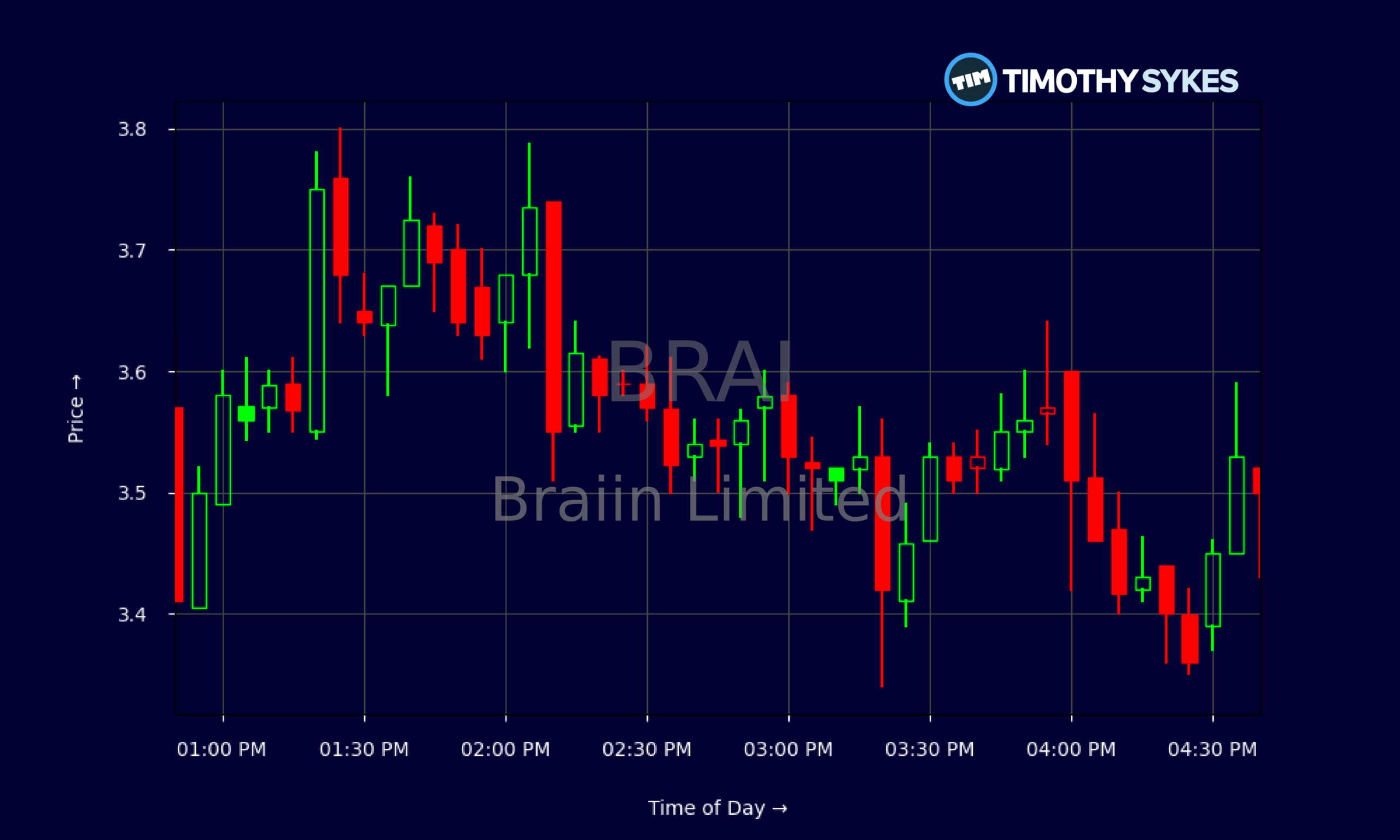
Live Update At 16:46:47 EDT: On Wednesday, October 28, 2026 Braiin Limited stock [NASDAQ: BRAI] is trending up by 3.92%! Discover the key drivers behind this movement as well as our expert analysis in the detailed breakdown below.
Quick Financial Overview
BRAI has been trading like a pure momentum story. On 2026/10/26, Braiin collapsed from an intraday high above $5 to close just over $2, then snapped back hard on 2026/10/27, finishing at $3.31. The latest daily candle on 2026/10/28 shows a wide range again, hitting $5.40 before fading to a $3.60 close. That kind of action tells traders this is a hot, crowded trade where emotions are driving the tape.
Revenue over the last period sits around $73.4M, but Braiin’s balance sheet is noisy. Book value per share is negative at about -$0.02, and price-to-book near -198 suggests traditional value metrics are almost useless here. BRAI is trading like a speculative AI growth name, not a steady cash-flow machine.
More Breaking News
Intraday on 2026/10/28, the 5‑minute chart shows BRAI spiking above $5 out of the gate, then grinding lower through the day toward the mid‑$3s as early longs locked in gains. For short‑term traders, that intraday fade after a big gap is a classic “watch your risk” signal. BRAI is giving clean levels, but it demands tight risk management.
Why Traders Are Watching BRAI’s Force AI Catalyst
The entire move in BRAI right now revolves around one thing: Force AI. Braiin announced it was expanding its Radius contact-center platform using Force AI as a unified orchestration layer, and the market went nuts. The stock nearly doubled and premarket trading alone showed a jump of about 41%, backed by a massive surge in volume. When you see that kind of range and liquidity, you know momentum traders have found their next playground.
What’s the actual hook? Flexibility. Force AI lets Braiin’s Radius customers plug into any large language model instead of being locked into a single AI provider. In plain English, Braiin is selling choice. For contact centers trying to ride the AI wave, that provider-agnostic setup is a strong pitch — no need to bet the business on one AI vendor that might fall behind next year.
For traders, this is less about deep fundamentals and more about narrative plus volatility. BRAI is now firmly in the AI buzz bucket, alongside other names that run hard on headlines. Radius tied to Force AI gives Braiin a clean story: “AI-powered, flexible, scalable.” That’s exactly the kind of phrase desk traders and algos latch onto.
At the same time, the intraday chart shows the other side of that hype. BRAI spikes fast, then often retraces just as sharply. Anyone chasing green candles on Braiin without a plan is handing their account to the pros. The story is strong, but the tape is unforgiving.
Conclusion
BRAI is a textbook case of how a single catalyst can light up a small-cap chart. Braiin took its Radius contact-center product, layered on Force AI, and suddenly traders cared a lot more about the stock. The move — nearly doubling off the news and ripping about 41% in premarket — proves that AI plus a clear business use case still commands big attention.
But the same chart that makes Braiin exciting also makes it dangerous. Those wide daily ranges and sharp intraday fades show that late buyers can get trapped fast. BRAI’s negative book value and speculative profile underscore that this is a trading vehicle, not a steady compounding story. Active traders in the Tim Sykes community treat names like BRAI as trade‑by‑trade opportunities, not long‑term comfort blankets.
The edge here comes from preparation. Study how Braiin trades around key levels, watch how volume reacts when Radius and Force AI get mentioned, and plan entries and exits before hitting any buy button. As Tim Sykes likes to remind traders, “Patterns repeat, but only disciplined traders are prepared to take advantage of them.” As millionaire penny stock trader and teacher Tim Sykes, says, “Consistency is key in trading; don’t let emotions dictate your trades.”. BRAI is offering patterns right now. The real question is whether traders are disciplined enough to trade them with strict risk controls. This article is for educational and research purposes only and is not investment advice.
This is stock news, not investment advice. Timothy Sykes News delivers real-time stock market news focused on key catalysts driving short-term price movements. Our content is tailored for active traders and investors seeking to capitalize on rapid price fluctuations, particularly in volatile sectors like penny stocks. Readers come to us for detailed coverage on earnings reports, mergers, FDA approvals, new contracts, and unusual trading volumes that can trigger significant short-term price action. Some users utilize our news to explain sudden stock movements, while others rely on it for diligent research into potential investment opportunities.
Dive deeper into the world of trading with Timothy Sykes, renowned for his expertise in penny stocks. Explore his top picks and discover the strategies that have propelled him to success with these articles:
- Penny Stocks Trading Guide
- Best Penny Stocks Under $1 to Buy Today
- Top 8 Penny Stocks to Watch on Robinhood
Once you’ve got some stocks on watch, elevate your trading game with StocksToTrade the ultimate platform for traders. With specialized tools for swing and day trading, StocksToTrade will guide you through the market’s twists and turns.
Dig into StocksToTrade’s watchlists here:





Leave a reply