

Robinhood Markets Inc. stocks have been trading down by -7.07 percent after regulatory scrutiny and revenue growth concerns dampened investor sentiment.
Key Takeaways For HOOD Traders
- CEO Vladimir Tenev sold 375,000 HOOD shares for about $42.6M, retaining only 6,907 Class A shares, per a 2026/10/07 Form 4 filing.
- Co-founder Baiju Bhatt sold 50,912 shares for about $5.16M on 2026/10/21, leaving 4,636 Class A shares under direct control, according to the SEC.
- Q3 transaction-based equities revenue came in at $121M, below the $131M FactSet consensus.
- Q3 net funded accounts reached 28.7M, missing expectations of 28.9M and hinting at cooler user growth.
- Multiple early-October Form 4s show further changes in HOOD insider and major-holder ownership, underscoring an active month for internal share moves.
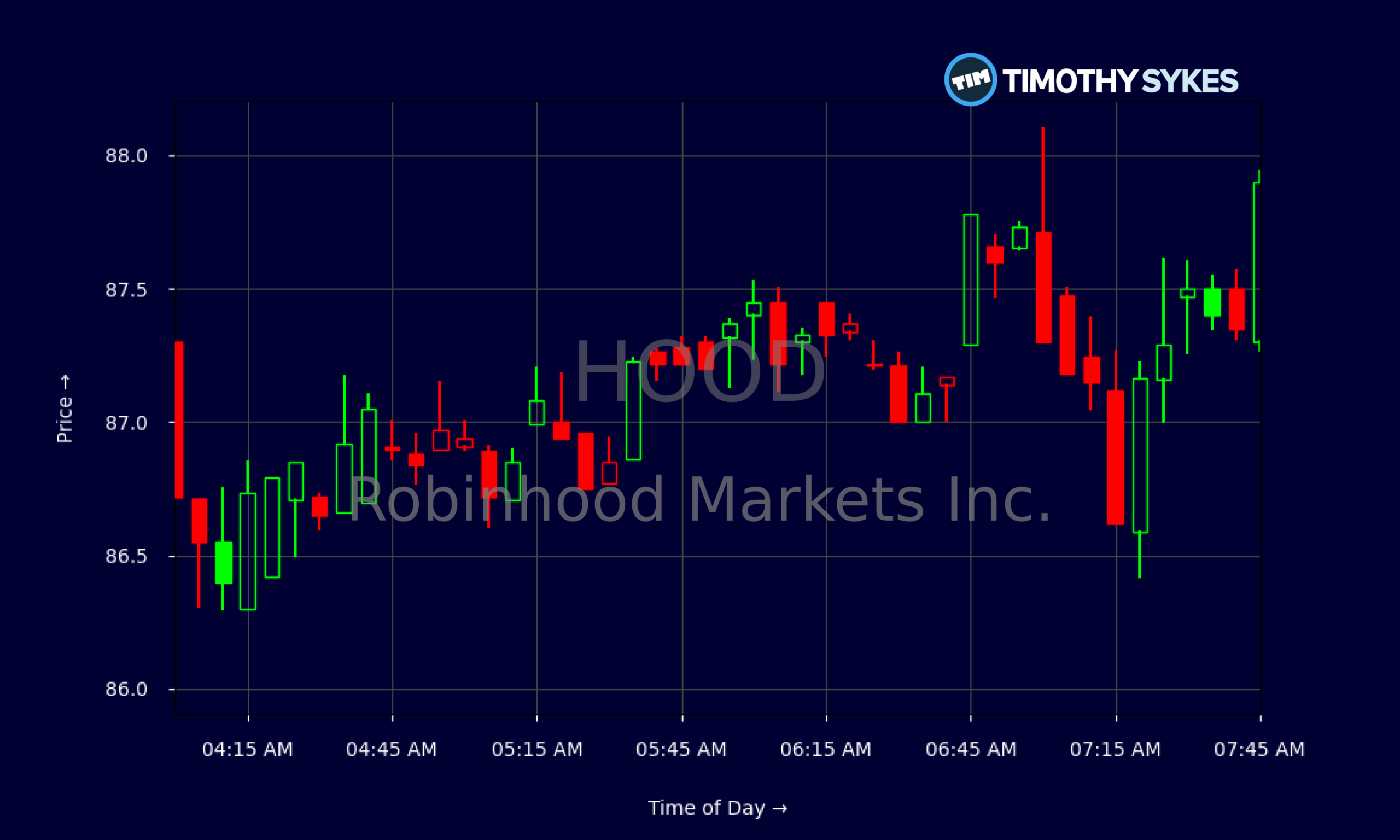
Live Update At 07:47:56 EDT: On Wednesday, October 28, 2026 Robinhood Markets Inc. stock [NASDAQ: HOOD] is trending down by -7.07%! Discover the key drivers behind this movement as well as our expert analysis in the detailed breakdown below.
Quick Financial Overview
Robinhood Markets (HOOD) is still a growth story, but the numbers say traders need to stay sharp. The latest Q3 print showed transaction-based equities revenue at $121M versus the $131M analysts wanted. That gap signals softer trading activity on the core HOOD platform, the same engine that helped the broker explode in prior years.
On the user side, HOOD reported 28.7M net funded accounts, just under the 28.9M Wall Street modeled. It is a small miss, but in a high-expectation fintech, even a slight shortfall can pressure the stock as traders question the next leg of account growth.
Technically, HOOD has been leaking lower. The daily chart shows a slide from recent highs above $110 down toward the mid-$90s, with the latest close near $94.56. That’s a clear downtrend with lower highs stacking up through late October. Intraday, HOOD has been choppy around the upper-$80s, trading in a tight band and signaling indecision.
More Breaking News
Fundamentals remain strong on paper: gross margin around 81.5%, profit margins north of 40%, revenue near $4.47B, and positive free cash flow of about $696M. But HOOD’s rich price-to-sales near 19.9 and a P/E above 48 mean the market is paying up for growth. When growth wobbles, high-multiple names like HOOD can reprice fast.
Why Traders Are Watching HOOD Insider Selling
The story around HOOD right now is less about a single quarter and more about trust. Q3 was not a disaster, but it was underwhelming. What really has traders talking is what insiders are doing with their own HOOD shares.
According to a 2026/10/07 Form 4, CEO Vladimir Tenev sold 375,000 HOOD shares for about $42.6M, leaving himself with only 6,907 Class A shares. That is a major cut in direct exposure. When the public face of Robinhood Markets steps away from a big chunk of stock, traders pay attention. They know executives have the best feel for the business trajectory, so heavy selling is rarely viewed as a bullish tell in the near term.
Then came another headline. On 2026/10/21, co-founder and director Baiju Bhatt sold 50,912 HOOD shares for about $5.16M, keeping just 4,636 Class A shares under direct control. Layer this on top of additional early-October Form 4 filings that flag further changes in beneficial ownership by HOOD insiders or major holders, and you get a clear theme: October was an aggressive month for insider repositioning.
For active traders, that cluster matters. HOOD already trades at premium multiples, with price-to-book around 10 and price-to-free-cash-flow above 24. Those valuations demand confidence. When operations slightly lag expectations — weaker equities trading revenue and a small miss on net funded accounts — and insiders are heading to the exits, sentiment often flips from “growth story” to “show me.” That shift can fuel sharper moves on any new HOOD headline, up or down, and sets up the stock as a battleground for momentum and short-term swing trading.
Conclusion
HOOD sits at an important crossroad. On one side, Robinhood Markets still throws off strong gross margins, generates solid free cash flow, and commands a huge 28.7M-strong funded account base. On the other, Q3 showed cracks in the story traders were pricing in: softer-than-hoped equities trading revenue and slightly cooler account growth, all while the stock carries a steep P/E and heavy price-to-sales tag.
The insider tape is what elevates these concerns. With Vladimir Tenev unloading 375,000 HOOD shares and Baiju Bhatt cashing out over 50,000 shares, both now holding only a few thousand Class A shares apiece, the signal is tough to ignore. Multiple other Form 4 filings in early October confirm that HOOD insider and major-holder ownership has been in motion all month.
For HOOD traders, the playbook is clear: respect the downtrend, study the filings, and let the price action confirm your bias before jumping in. As Tim Sykes likes to say, “The market is a battleground, and your only real edge is preparation — study the patterns, focus on the hottest catalysts, and always, ALWAYS cut losses quickly.” As millionaire penny stock trader and teacher Tim Sykes, says, “The goal is not to win every trade but to protect your capital and keep moving forward.”. This HOOD tape is giving the community a real-time case study in how fundamentals, insider behavior, and chart action collide — and why disciplined trading rules matter more than any single headline.
This is stock news, not investment advice. Timothy Sykes News delivers real-time stock market news focused on key catalysts driving short-term price movements. Our content is tailored for active traders and investors seeking to capitalize on rapid price fluctuations, particularly in volatile sectors like penny stocks. Readers come to us for detailed coverage on earnings reports, mergers, FDA approvals, new contracts, and unusual trading volumes that can trigger significant short-term price action. Some users utilize our news to explain sudden stock movements, while others rely on it for diligent research into potential investment opportunities.
Dive deeper into the world of trading with Timothy Sykes, renowned for his expertise in penny stocks. Explore his top picks and discover the strategies that have propelled him to success with these articles:
- Penny Stocks Trading Guide
- Best Penny Stocks Under $1 to Buy Today
- Top 8 Penny Stocks to Watch on Robinhood
Once you’ve got some stocks on watch, elevate your trading game with StocksToTrade the ultimate platform for traders. With specialized tools for swing and day trading, StocksToTrade will guide you through the market’s twists and turns.
Dig into StocksToTrade’s watchlists here:





Leave a reply