
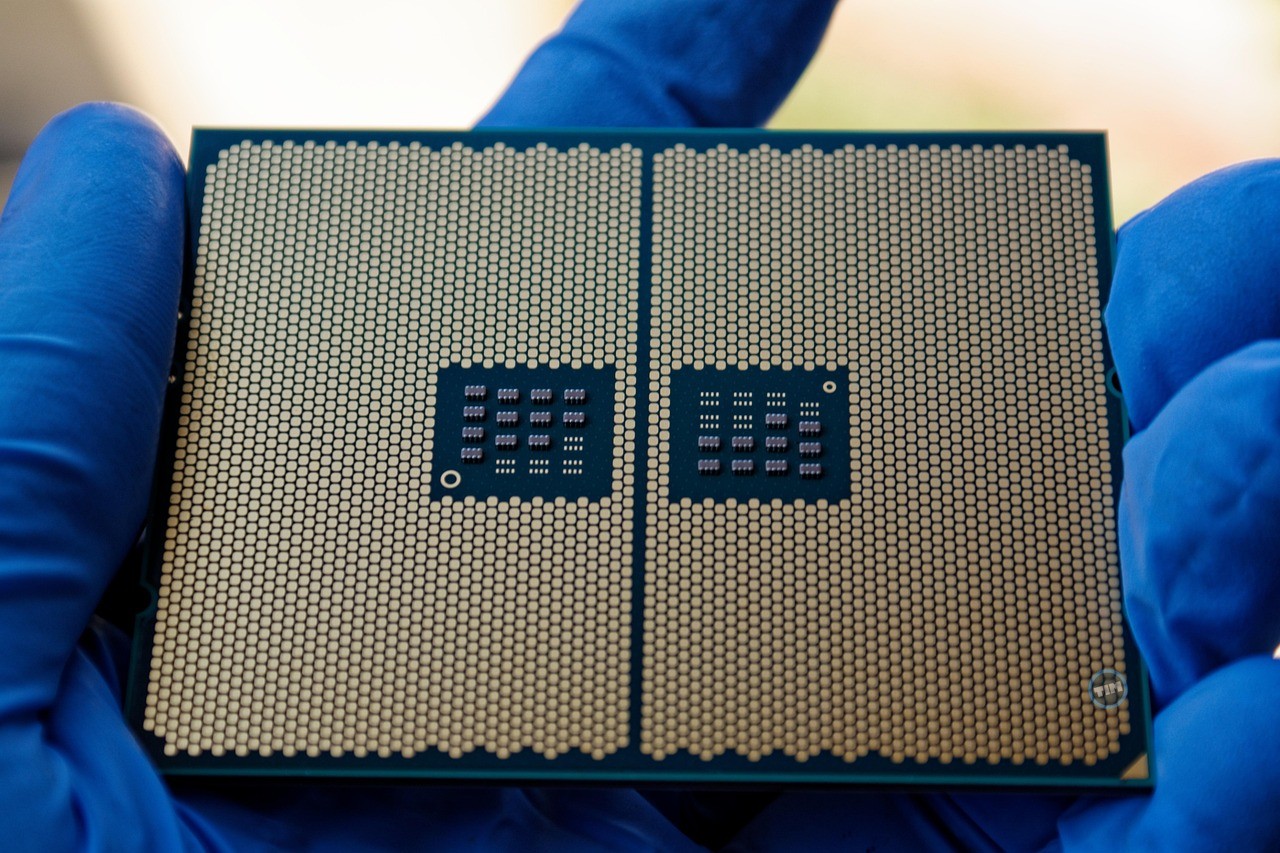
Vicor Corporation stocks have been trading up by 12.95 percent after upbeat earnings and robust power-solution demand boosted investor confidence.
Key Takeaways For VICR Traders
- Q3 2026 revenue jumped 37.5% sequentially and 78.5% year over year to $197.1M, with gross margin at 68.3% and net income more than doubling, backed by strong cash flow and backlog.
- Management is buying two new sites near ChiP Fab-1 to support an ambitious ~5x capacity expansion aimed at meeting powerful AI and high-performance computing demand.
- VICR lifted Q3 revenue growth guidance twice, ending above 30% sequential growth on stronger-than-expected royalties from its first non-exclusive Vertical Power Delivery (VPD) license with an AI OEM.
- Needham and Roth Capital reiterated Buy views on VICR with targets at $350 and $360, while flagging uncertainty around how much of the Q3 royalty boost is recurring versus one-time catch-up.
- A U.S. ITC investigation into alleged VPD patent infringement backs Vicor Corporation’s push for VPD licenses and royalties that may step up as the case advances.
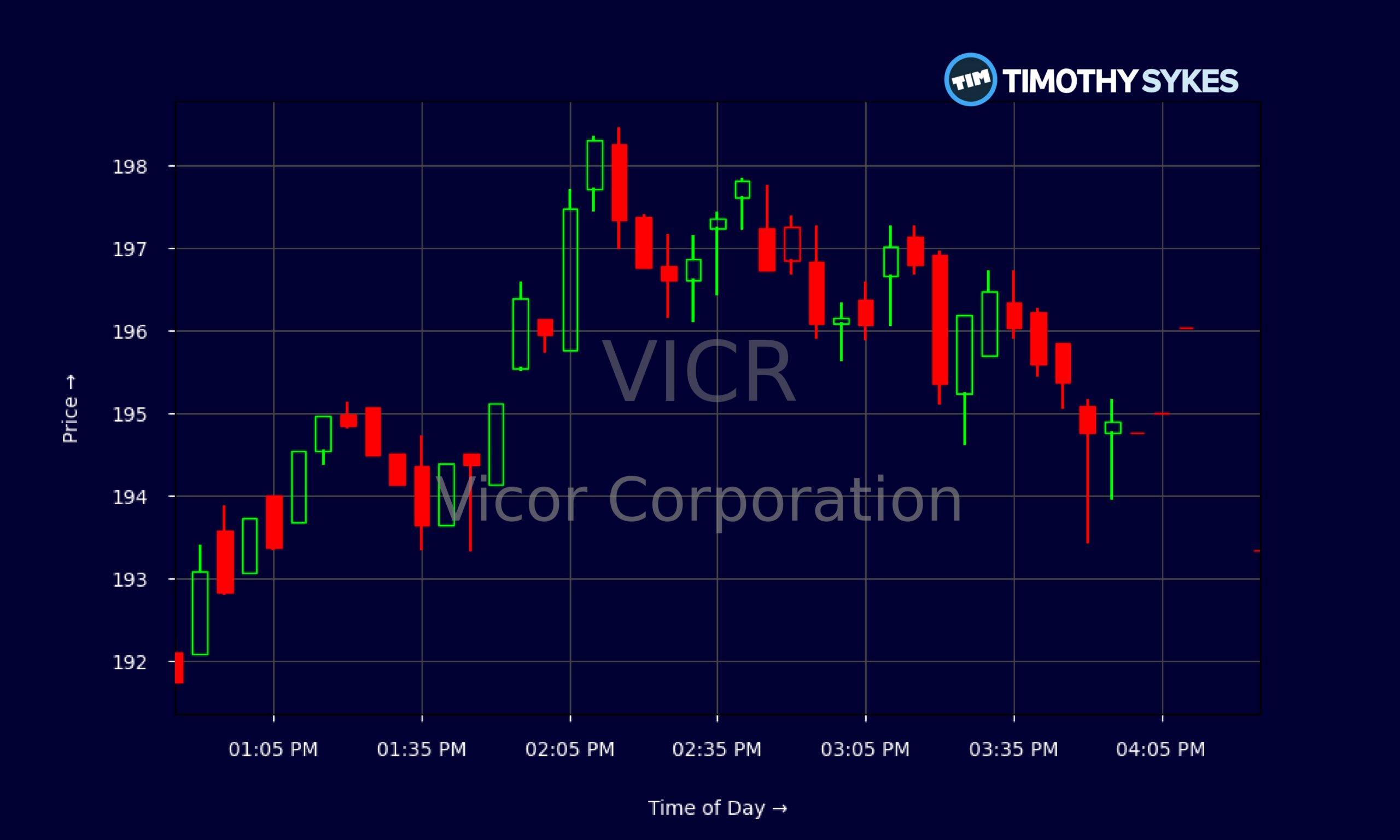
Live Update At 16:46:39 EDT: On Monday, October 26, 2026 Vicor Corporation stock [NASDAQ: VICR] is trending up by 12.95%! Discover the key drivers behind this movement as well as our expert analysis in the detailed breakdown below.
Quick Financial Overview
VICR just printed the kind of quarter momentum traders look for. Q3 2026 revenue hit $197.1M, up 37.5% from the prior quarter and 78.5% from a year ago. That is hyper-growth territory for a power-module name. Gross margin expanded to 68.3%, which is very high for hardware and tells traders VICR is gaining serious pricing power and mix benefits from its advanced power solutions.
Net income more than doubled year over year, and operating cash flow came in strong, supported by a sharply higher backlog. That backlog is the future pipeline: it signals demand in AI compute and high-performance systems is not a one-off. On the chart, though, VICR has been a rollercoaster. The stock fell from above $330 in early October to below $200 by late October, despite the strong fundamentals.
More Breaking News
Ratios underline the growth story but also the risk. A price-to-sales near 25.9 and a P/E around 85 mean traders are paying up for VICR’s runway. At the same time, the balance sheet is clean: virtually no debt, a current ratio above 13, and heavy cash. For active traders, that combination—explosive growth, premium valuation, and strong financial strength—usually means big moves both ways.
Why Traders Are Watching VICR So Closely
Vicor Corporation is no longer trading like a sleepy power-supply vendor. VICR is transforming into a high-octane AI infrastructure play, and the tape shows it. After raising Q3 sequential revenue guidance twice—from above 20% to more than 30%—VICR still managed to deliver upside, with the quarter powered by both product demand and a new royalty engine.
That royalty engine is the Vertical Power Delivery (VPD) licensing model. VICR signed its first non-exclusive VPD license with an AI OEM and quickly found those royalties running ahead of expectations. The company explicitly tied the guidance hikes to this license, and the Q3 print confirmed that VPD IP is starting to matter as much as the physical power modules. For traders, that’s important: IP-heavy revenue is higher margin and often gets a richer multiple in the market.
The story doesn’t stop there. VICR is pushing hard on capacity, buying two additional sites near its ChiP Fab-1 to support an estimated fivefold increase in output. That kind of capex move tells traders management expects sustained, not temporary, AI-driven demand. If that demand stays strong, VICR’s expanded footprint could translate into years of outsized revenue growth.
Overlay that with the U.S. International Trade Commission investigation into allegedly infringing VPD modules. Vicor Corporation is asking for exclusion and cease-and-desist orders, which would effectively force OEMs and hyperscalers to license its technology. Legal outcomes are never guaranteed, but the case gives VICR leverage in negotiations and supports the idea of escalating royalty rates over time.
Analysts are responding. Needham upped its VICR target to $350, while Roth Capital now sits at $360 after the Q3 beat and higher royalty floor for Q4. Both still flag the same nuance traders should respect: some of the recent royalty jump likely includes one-time catch-up payments, so quarter-to-quarter numbers may be choppy. For momentum traders, that volatility is exactly where opportunity lives—if you stay disciplined.
Conclusion
VICR’s setup right now is a classic high-reward, high-volatility growth story that active traders gravitate toward. The company just delivered a huge Q3, with revenue nearly doubling year over year, margins expanding, and cash piling up. At the same time, Vicor Corporation is betting big on the future, moving to roughly 5x capacity and leaning into AI and high-performance computing demand.
The chart reminds everyone that the market can overshoot both ways. VICR ripped above $330 early in the month, then slid hard, including a 13.3% intraday drop to $212.76 on 2026/10/15 with no clear fundamental catalyst. That kind of move is standard behavior when a stock trades at an 80+ P/E and carries sky-high expectations. Add insider sales—like the CEO’s 20,000-share sale around $297.89—and the message is clear: price will not move in a straight line, no matter how good the story looks.
For traders studying VICR, the key is to respect both the fundamentals and the volatility. The VPD royalty model, ITC case, and capacity expansion lay out a powerful multi-year narrative, but the market will constantly re-price that narrative on each headline and earnings update. As Tim Sykes likes to say, “Patterns repeat, but you have to manage your risk every single time.” As millionaire penny stock trader and teacher Tim Sykes says, “Be patient, don’t force trades, and let the perfect setups come to you.” Use that mindset with VICR—focus on the trend, plan your exits, and never marry the stock.
This is stock news, not investment advice. Timothy Sykes News delivers real-time stock market news focused on key catalysts driving short-term price movements. Our content is tailored for active traders and investors seeking to capitalize on rapid price fluctuations, particularly in volatile sectors like penny stocks. Readers come to us for detailed coverage on earnings reports, mergers, FDA approvals, new contracts, and unusual trading volumes that can trigger significant short-term price action. Some users utilize our news to explain sudden stock movements, while others rely on it for diligent research into potential investment opportunities.
Dive deeper into the world of trading with Timothy Sykes, renowned for his expertise in penny stocks. Explore his top picks and discover the strategies that have propelled him to success with these articles:
- Penny Stocks Trading Guide
- Best Penny Stocks Under $1 to Buy Today
- Top 8 Penny Stocks to Watch on Robinhood
Once you’ve got some stocks on watch, elevate your trading game with StocksToTrade the ultimate platform for traders. With specialized tools for swing and day trading, StocksToTrade will guide you through the market’s twists and turns.
Dig into StocksToTrade’s watchlists here:





Leave a reply