

Braiin Limited stocks have been trading up by 48.12 percent, driven primarily by strong positive sentiment from the latest headline.
Key Takeaways
- BRAI has dropped from the mid-$4s to near $2, showing a sharp sentiment shift and broken momentum on the daily chart.
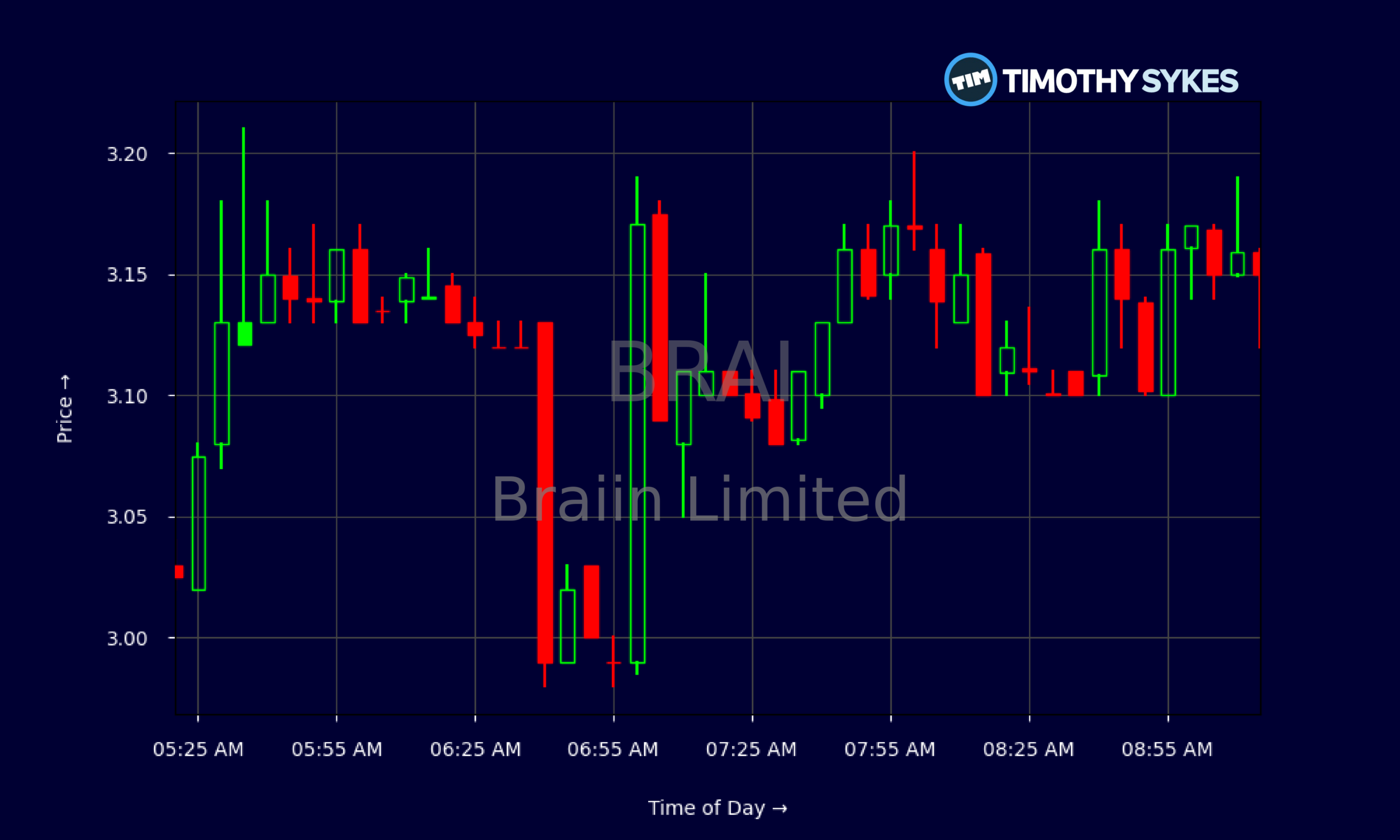
- Intraday action in Braiin Limited around $3 shows tight consolidation, hinting at a battle between dip-buyers and shorts.
- BRAI’s revenue base near $73M supports the story, but a deeply negative book value flashes major valuation risk.
- Balance-sheet data for Braiin Limited shows meaningful assets and working capital, yet traders are paying a rich multiple to a fragile equity line.
Live Update At 09:19:32 EDT: On Tuesday, October 27, 2026 Braiin Limited stock [NASDAQ: BRAI] is trending up by 48.12%! Discover the key drivers behind this movement as well as our expert analysis in the detailed breakdown below.
Quick Financial Overview
Braiin Limited, trading under ticker BRAI, is a classic story of a small-cap with real revenue but a tricky balance sheet. The latest numbers show revenue around $73.4M, which is not tiny for a name trading in this price zone. That said, BRAI carries a reported book value per share of about -$0.02 and a price-to-book ratio near -198. That negative equity picture tells traders the capital structure is messy and the margin for error is thin.
BRAI’s enterprise value sits around $436M, implying the market is still assigning a hefty premium over the company’s negative book value. For momentum and day traders, that combination usually means one thing: this ticker moves fast when sentiment flips. On the asset side, Braiin Limited lists total assets around $290.3M and working capital in the mid-teens of millions, which gives some runway.
More Breaking News
Still, key profitability ratios for BRAI are blank or weak, and returns on assets sit near zero. In practice, that means the story right now is more about speculation and chart setups than steady cash generation.
Why Traders Are Watching BRAI’s Wild Price Swings
The recent daily chart for BRAI reads like a textbook momentum unwind. Earlier in the month, Braiin Limited traded comfortably in the $4.50–$5 range, printing highs above $5 and closing sessions in the mid-$4s. That’s the kind of steady uptrend traders love to ride. Then came the crack. In the most recent session, BRAI opened near $4.28, spiked over $5, then completely failed, flushing to a low near $2.10 and closing around $2.12. That’s a brutal fade and a clear sign of trapped longs bailing out.
When a stock like BRAI does that, it tells traders the easy long side is over, at least for now. Braiin Limited’s prior support in the low $4s turned into air. Anyone chasing late got smoked. At the same time, that kind of range—from low $2s to $5 intraday—puts BRAI on every momentum scanner out there.
Zoom in to the intraday data and you see a different story: Braiin Limited churning around $3 with multiple 5‑minute candles between roughly $3.02 and $3.18. That tight band shows equilibrium after the panic. Short traders lean into the prior breakdown, while bounce traders stalk a reclaim of key levels. BRAI is now a tug-of-war zone.
Names like Braiin Limited often become “lesson tickers” in the small-cap world. A huge run, a sharp break, then a fight over what comes next. For active traders who thrive on volatility and liquidity, BRAI is exactly the sort of chart that demands attention and strict risk rules.
Conclusion
BRAI’s story right now is written on the chart more than in the fundamentals. Braiin Limited has revenue near $73.4M and hundreds of millions in reported assets, but a negative book value and muddled profitability metrics mean the balance sheet is far from clean. That helps explain why traders are treating BRAI like a short-term trading vehicle rather than a slow-and-steady compounder.
The technical picture is front and center. Braiin Limited collapsed from the mid-$4s into the low $2s after a failed push over $5, wiping out recent buyers. Now BRAI churns around $3 on the intraday tape, with both bulls and bears trying to seize control. For disciplined traders, that means one thing: opportunity with danger baked in.
This is where process matters. BRAI can reward sharp entries and fast exits, but it will punish hope. Risk management principles are crucial here; as millionaire penny stock trader and teacher Tim Sykes, says, “The goal is not to win every trade but to protect your capital and keep moving forward.”. As Tim Sykes likes to hammer home, “Cut losses quickly; small losses are fine, big ones are not.” For anyone trading Braiin Limited, the focus should stay on key levels, liquidity, and risk per trade. BRAI is offering the volatility; traders just need the discipline to handle it.
This is stock news, not investment advice. Timothy Sykes News delivers real-time stock market news focused on key catalysts driving short-term price movements. Our content is tailored for active traders and investors seeking to capitalize on rapid price fluctuations, particularly in volatile sectors like penny stocks. Readers come to us for detailed coverage on earnings reports, mergers, FDA approvals, new contracts, and unusual trading volumes that can trigger significant short-term price action. Some users utilize our news to explain sudden stock movements, while others rely on it for diligent research into potential investment opportunities.
Dive deeper into the world of trading with Timothy Sykes, renowned for his expertise in penny stocks. Explore his top picks and discover the strategies that have propelled him to success with these articles:
- Penny Stocks Trading Guide
- Best Penny Stocks Under $1 to Buy Today
- Top 8 Penny Stocks to Watch on Robinhood
Once you’ve got some stocks on watch, elevate your trading game with StocksToTrade the ultimate platform for traders. With specialized tools for swing and day trading, StocksToTrade will guide you through the market’s twists and turns.
Dig into StocksToTrade’s watchlists here:





Leave a reply