

Quoin Pharmaceuticals Ltd. stocks have been trading up by 10.65 percent following positive trial progress and regulatory momentum.
Market Insights For QNRX Traders
- Quoin Pharmaceuticals reported statistically significant, positive interim Phase 2/3 data for QRX003 in Netherton Syndrome, with strong efficacy, itch reduction in the most symptomatic patients, and a clean safety profile.
- QRX003 could become the first FDA-approved treatment for Netherton Syndrome, with full trial enrollment expected by the end of 2026 and topline data anticipated in 2027/04/01–2027/06/30.
- The company is raising up to $50M in a private placement at $4.88 per unit, with warrants exercisable at $6.10, extending cash runway into 2H 2029 but adding dilution risk.
- Following the data and financing news, shares of Quoin Pharmaceuticals jumped roughly 18%–29%, signaling strong bullish sentiment and elevated trading interest in QNRX.
- In Q2 2026, Quoin reported a wider loss as R&D spending increased, while securing FDA conditional brand-name approval for QRX003 (QYLEKI) and advancing additional rare-dermatology programs.

Weekly Update Aug 24 – Aug 28, 2026: On Saturday, August 29, 2026 Quoin Pharmaceuticals Ltd. stock [NASDAQ: QNRX] is trending up by 10.65%! Discover the key drivers behind this movement as well as our expert analysis in the detailed breakdown below.
Healthcare industry expert:
Analyst sentiment – positive
Quoin Pharmaceuticals (QNRX) remains a high‑risk, binary-outcome rare-dermatology platform story with weak fundamentals. Q3 2025 data show zero revenue, deeply negative margins, and ROE below -500%, underscoring a value-destruction profile typical of micro-cap pre-commercial biotech. Operating cash burn of ~$2.2M per quarter against ~$1.8M cash and negative equity highlights balance sheet fragility, though the recent up-to-$50M private placement at $4.88 materially extends runway and partially offsets going-concern risk.
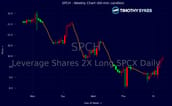
Technically, QNRX has flipped from a low-liquidity grind to a momentum breakout following the positive QRX003 data and financing. The weekly tape shows a sharp move from ~5.0 to an intraday high of 6.32 on 8/28, with a closing pullback to 5.70, indicating aggressive profit taking but sustained interest above the deal price. Dominant trend is now short-term bullish; $4.90–5.00 (deal floor) is the critical actionable support level for entries and risk management.
Near-term catalysts are dominated by QRX003’s statistically significant interim Phase 2/3 data in Netherton Syndrome, conditional brand-name approval (QYLEKI), and expansion into Peeling Skin Syndrome plus the QRX009 platform. These place QNRX ahead of most micro-cap dermatology peers on clinical differentiation but behind larger biotech benchmarks on diversification and profitability. With cash likely extended into 2H 2029 post-financing, risk-reward is favorable: I see asymmetric upside with a 6–7 near-term trading band, using 4.90 as hard support.
More Breaking News
Quick Financial Overview
Quoin Pharmaceuticals Ltd. (QNRX) just delivered the classic small-cap biotech one-two punch: strong clinical data and fresh capital. Interim Phase 2/3 results for QRX003 in Netherton Syndrome showed statistically significant efficacy, with 4 of 6 patients hitting the primary IGA endpoint plus key secondary measures and meaningful itch reduction. For traders, that is a major de-risking event on the way to potential first-to-market status in this rare disease.
On the tape, QNRX has reacted with sharp momentum. The weekly data show price pinned around the low-$5 area early in the week, then spiking as high as the low-$6 range once the news hit, with the week closing meaningfully above the prior $5 handle. Intraday, a 5-minute bar with a $7.22 open and $8.25 high before fading toward the low-$6s tells you everything about current character: gap, squeeze, then profit-taking as short-term traders lock gains.
Under the hood, Quoin is still a development-stage, loss-making biotech. The latest quarterly report shows net income around -$3.95M, driven largely by R&D of about $2.28M and G&A of roughly $1.74M. Operating cash flow was about -$2.23M, with free cash flow at a similar negative level and cash of roughly $1.8M at period end, before the new raise. Key ratios highlight pressure: return on equity and return on assets are deeply negative, while book value per share sits near $1.96 with price-to-book around 2.6, underscoring that traders are paying up for pipeline potential, not current earnings power.
Conclusion
This is stock news, not investment advice. Timothy Sykes News delivers real-time stock market news focused on key catalysts driving short-term price movements. Our content is tailored for active traders and investors seeking to capitalize on rapid price fluctuations, particularly in volatile sectors like penny stocks. Readers come to us for detailed coverage on earnings reports, mergers, FDA approvals, new contracts, and unusual trading volumes that can trigger significant short-term price action. Some users utilize our news to explain sudden stock movements, while others rely on it for diligent research into potential investment opportunities.
Dive deeper into the world of trading with Timothy Sykes, renowned for his expertise in penny stocks. Explore his top picks and discover the strategies that have propelled him to success with these articles:
- Penny Stocks Trading Guide
- Best Penny Stocks Under $1 to Buy Today
- Top 8 Penny Stocks to Watch on Robinhood
Once you’ve got some stocks on watch, elevate your trading game with StocksToTrade the ultimate platform for traders. With specialized tools for swing and day trading, StocksToTrade will guide you through the market’s twists and turns.
Dig into StocksToTrade’s watchlists here:




Leave a reply