

Micron Technology Inc. stocks have been trading down by -6.34 percent after reports of weaker memory chip demand pressured investor sentiment.
Key Takeaways
- Shares fell about 5% after reports that China’s CXMT claimed a DRAM breakthrough and new 4F2 data center chip design planned by year-end, sparking fresh competitive worries.
- The stock dropped another 3.6% as headlines tying CXMT’s 4F2 design to data center markets pushed more traders to the exits.
- Micron Technology and SK Hynix declined 4.8% and 6.3%, showing the CXMT story hit the entire DRAM group, not just one name.
- MU is down 0.5% premarket after a 1% slide the prior close, underscoring ongoing pressure.
- Micron Technology is 1.2% lower premarket after a sharp 3.6% drop, highlighting short‑term downside momentum despite a stronger long‑term profile.
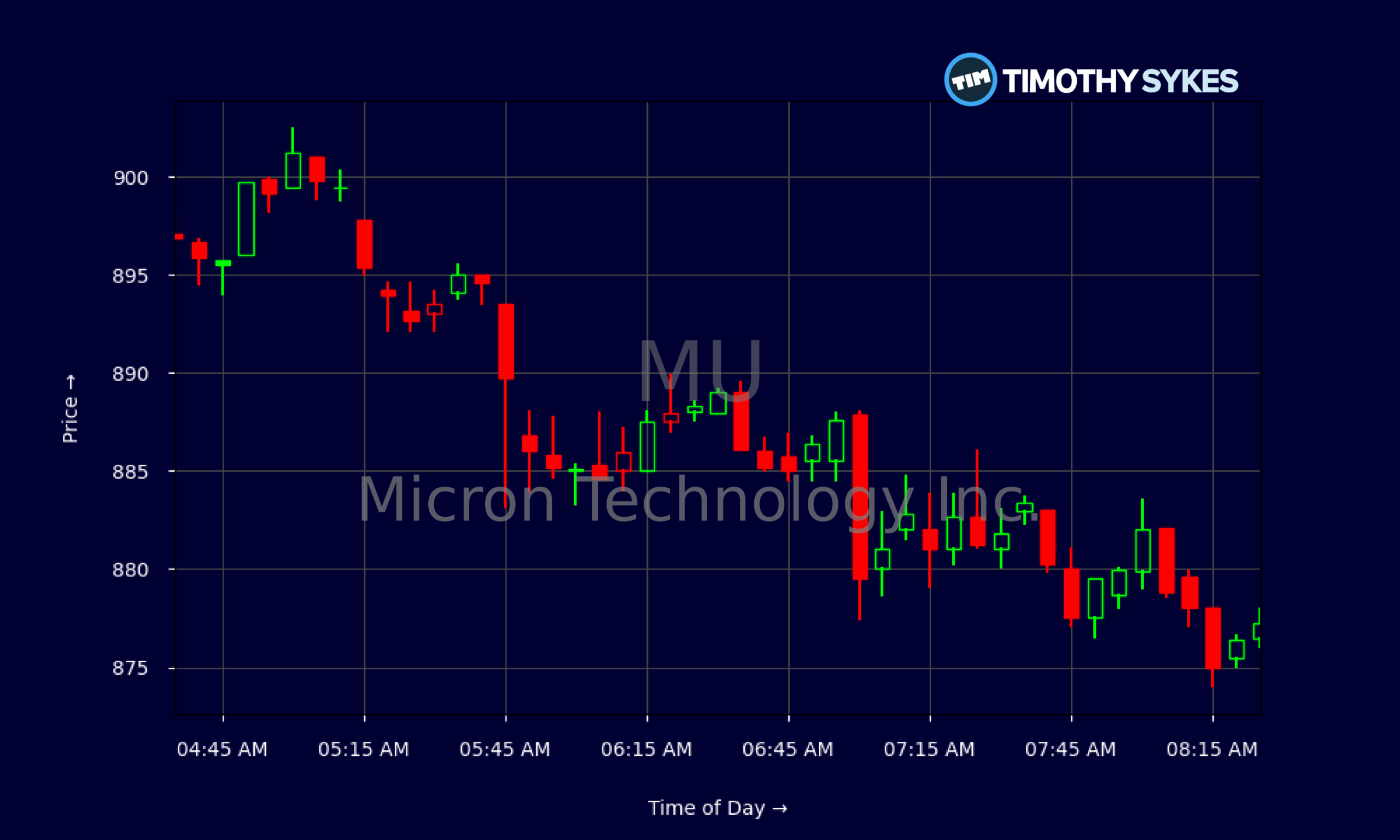
Live Update At 08:32:18 EDT: On Friday, October 30, 2026 Micron Technology Inc. stock [NASDAQ: MU] is trending down by -6.34%! Discover the key drivers behind this movement as well as our expert analysis in the detailed breakdown below.
Quick Financial Overview
Strip away the headlines and MU’s numbers tell a very different story from the tape. Micron Technology posted total revenue of about $54.2B over the latest reported period, with a massive gross margin near 72.6%. That means MU is keeping more than two-thirds of each revenue dollar after direct costs, a strong sign of pricing power and efficient manufacturing.
Profitability is equally striking. EBIT margin sits around 65.7%, and net income from continuing operations is roughly $37.7B. For traders, that says MU is not some fragile turnaround — it’s a highly profitable memory player with serious cash generation. Operating cash flow is about $43.9B, while capital spending runs near $11.1B, leaving plenty of room to fund growth and still build a cash cushion.
More Breaking News
On the balance sheet, Micron Technology shows total assets of roughly $195.9B against total liabilities of about $57.5B. Debt is modest, with total debt-to-equity at just 0.06 and interest coverage around 297. For traders, that low leverage means MU can weather cyclical hits and competitive scares like the recent CXMT news without balance-sheet stress.
Why Traders Are Watching MU’s Downside Momentum
The recent slide in MU is about narrative, not just numbers. Over several sessions around 2026/10/13, headlines that China’s CXMT claimed a DRAM technology breakthrough — along with a new 4F2 data center chip design targeted for launch by year-end — hit Micron Technology hard. One report coincided with about a 5% drop. Another pinned a 3.6% fall directly on the same CXMT story. When a rival in China talks “breakthrough” in DRAM, traders listen.
What matters for active traders is how fast that news translated into selling. MU didn’t move alone. Micron Technology and SK Hynix slid 4.8% and 6.3%, showing the whole DRAM complex traded like one big sympathy play. This is the classic memory‑cycle dynamic: competitive fear hits, and the group sells off together, regardless of each name’s specific fundamentals.
Short‑term pressure was already building before CXMT headlines hit. MU was down 0.5% premarket after a 1% decline at Monday’s close earlier in 2026/10, signaling steady distribution. Another update had Micron Technology 3.1% lower pre‑bell after a 3.9% drop in the prior session, tied to broader selling across Wallstreetbets‑favored semiconductor names. Social-driven momentum turned against MU, and the CXMT news poured gasoline on that fire.
Even after the initial flush, Micron Technology was still showing 1.2% premarket weakness following a 3.6% session drop, a clear sign of follow‑through selling and short‑term trend pressure. Yet a more recent note highlights modest premarket rebounds of 1%–4% in several Wallstreetbets names, including Micron, hinting at bargain hunters and short‑covering nibbling at the edges. For day traders, that mix — heavy downside, then tentative bounce — is exactly where big intraday moves often emerge.
Conclusion
For all the panic around CXMT, the tape and the fundamentals for MU tell a two-sided story that experienced traders recognize. On the one hand, Micron Technology has been hit with a wave of downside momentum: multiple back‑to‑back drops tied directly to a China competitor claiming a DRAM breakthrough and targeted 4F2 data center chips. Combined with prior selling across Wallstreetbets semiconductor names, that set MU up for fast swings and emotional trading.
On the other hand, the financials behind Micron Technology look like a fortress. Strong margins, multi‑billion‑dollar cash flow, and low leverage give MU room to ride out both cycles and headline scares. That doesn’t stop the stock from getting hit in the short term — but it shapes how deeply those dips can extend before value and momentum traders start circling back.
Right now MU sits at the crossroads of fear and opportunity. CXMT’s claims inject genuine uncertainty into the DRAM narrative, especially for data center demand, and traders have to respect that risk. But as Tim Sykes likes to remind traders, “Volatility is your opportunity — if you’ve done the homework and you’re disciplined enough to cut losses fast.” As millionaire penny stock trader and teacher Tim Sykes, says, “There is always another play around the corner; don’t chase just because you feel FOMO.”. For those studying Micron Technology, that means tracking every new CXMT headline, watching MU’s price action like a hawk, and letting the chart — not emotions — dictate the next move.
This is stock news, not investment advice. Timothy Sykes News delivers real-time stock market news focused on key catalysts driving short-term price movements. Our content is tailored for active traders and investors seeking to capitalize on rapid price fluctuations, particularly in volatile sectors like penny stocks. Readers come to us for detailed coverage on earnings reports, mergers, FDA approvals, new contracts, and unusual trading volumes that can trigger significant short-term price action. Some users utilize our news to explain sudden stock movements, while others rely on it for diligent research into potential investment opportunities.
Dive deeper into the world of trading with Timothy Sykes, renowned for his expertise in penny stocks. Explore his top picks and discover the strategies that have propelled him to success with these articles:
- Penny Stocks Trading Guide
- Best Penny Stocks Under $1 to Buy Today
- Top 8 Penny Stocks to Watch on Robinhood
Once you’ve got some stocks on watch, elevate your trading game with StocksToTrade the ultimate platform for traders. With specialized tools for swing and day trading, StocksToTrade will guide you through the market’s twists and turns.
Dig into StocksToTrade’s watchlists here:





Leave a reply