

ImmunityBio Inc. stocks have been trading down by -6.09 percent after trial data raised renewed concerns over its cancer pipeline.
Key Takeaways
- Multiple securities law and litigation firms have announced probes into ImmunityBio (IBRX) tied to traders who bought shares before 2026/01/19 and still hold them.
- These investigations target potential corporate wrongdoing by IBRX and its officers and directors, with a focus on governance, disclosure, or fraud concerns.
- A steady drumbeat of announcements from 2026/09/20 through 2026/10/18 reinforces a growing legal overhang around ImmunityBio.
- The probes are described as preliminary, but they clearly lay the groundwork for possible class-action litigation that traders must track closely.
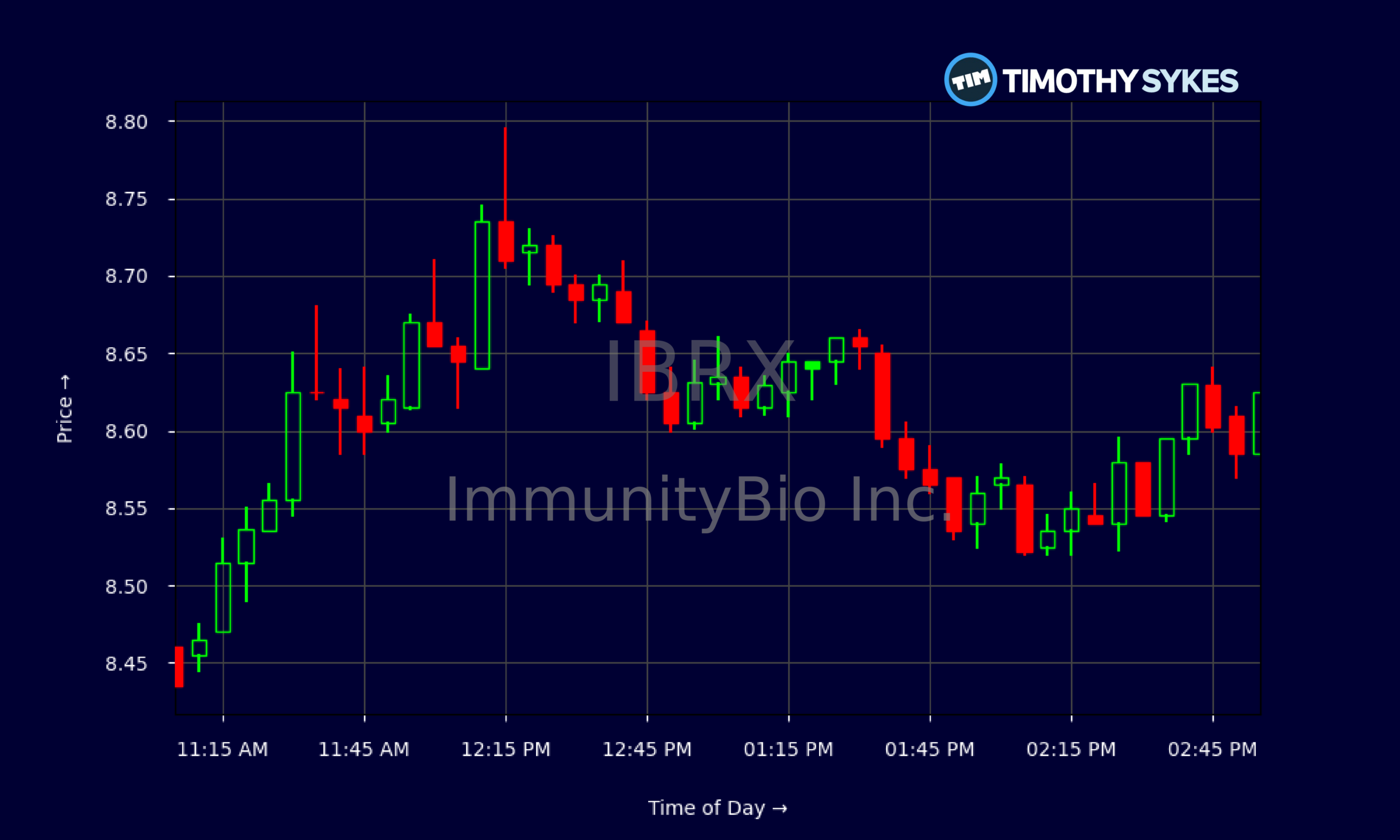
Live Update At 15:02:30 EDT: On Monday, October 19, 2026 ImmunityBio Inc. stock [NASDAQ: IBRX] is trending down by -6.09%! Discover the key drivers behind this movement as well as our expert analysis in the detailed breakdown below.
Quick Financial Overview
ImmunityBio, trading under ticker IBRX, is a classic high-risk biotech story: big science dreams, heavy cash burn, and now a legal cloud. The numbers show why traders treat IBRX as a pure speculation, not a safe parking spot for capital.
For the latest reported quarter ending 2026/06/30, ImmunityBio generated about $51.2M in total revenue. That sounds decent until you see the net loss of roughly $230.4M, which works out to a basic EPS of -$0.22 on about 1.05B shares. IBRX has a huge gross margin, near 99.7%, but that is overwhelmed by operating expenses of about $112.6M and interest costs.
On the cash side, ImmunityBio posted operating cash outflow of about $66.5M and free cash flow around -$70.0M for the quarter. Despite that, IBRX still reported cash and short-term investments of roughly $357.4M and working capital near $362.3M, giving it room to keep funding trials in the near term.
More Breaking News
The chart tells the rest. Over the recent multi-week window, IBRX has swung from the mid-$8s toward $10.50 and then back under $9, with the latest close around $8.62 after an early fade from a $9.19 open. That combination of steep losses, high valuation versus sales (about 67x), and choppy price action paints ImmunityBio as a momentum trading vehicle where news drives every move.
Why Traders Are Watching IBRX Legal Headlines
Traders crowd into IBRX for volatility. Right now, that volatility is coming from the courtroom, not the lab. Since 2026/09/20, a string of securities law and plaintiffs’ firms have announced investigations into ImmunityBio and its leadership. Each headline hits the same theme: potential corporate wrongdoing tied to traders who bought before 2026/01/19 and still hold shares.
For active traders, one item stands out. On 2026/10/13, a securities litigation firm said it opened an investigation into potential corporate misconduct at ImmunityBio, flagging possible disclosure or governance failures and explicitly pointing toward class-action risk. That is the kind of overhang that can cap rallies in a stock like IBRX, even when the intraday tape shows buyers stepping in.
Then on 2026/10/18, another securities law firm broadened the focus to both ImmunityBio and its officers and directors, again calling out possible wrongdoing. When management credibility gets questioned, traders usually demand a bigger discount. In chart terms, that often means failed breakouts and fast reversals on any spike.
Earlier headlines from 2026/09/20 and 2026/09/24 already signaled that legal and governance issues might weigh on ImmunityBio’s stock. The fact that new firms keep joining the pile tells traders this is not a one-and-done press release cycle. It is an evolving story.
You can see that tension in the intraday 5‑minute chart. IBRX opened near $9.19, stuffed almost immediately toward $9.70, then unwound steadily into the low $8s before grinding sideways into the close. That is textbook headline-risk price action — strong open, trapped longs, and a slow bleed as traders de-risk ahead of unknown legal outcomes. For short-term players, those patterns create both opportunity and land mines.
Conclusion
ImmunityBio sits at the intersection of speculative biotech and legal uncertainty, and that is exactly the kind of setup active traders on timothysykes.com and StocksToTrade study every day. IBRX brings big volatility, deep losses, a stretched price-to-sales ratio, and now a cluster of securities law investigations aimed at past disclosures and governance.
For any trader watching IBRX, the key is understanding what the market is actually pricing. The balance sheet shows ImmunityBio still has hundreds of millions in cash and a current ratio above 5, so near-term survival is not the immediate issue. The real swing factor is confidence — or lack of it — in the company’s story and its leadership while the legal probes develop.
Repeated announcements from litigation firms between 2026/09/20 and 2026/10/18 put a clear question mark over ImmunityBio’s prior communications. Until traders get clarity, every press release is going to be weighed against the risk of class-action headlines. That usually means sharp spikes on good news and just as sharp flushes on anything perceived as negative or vague.
The way to approach a name like IBRX is with discipline, not hope. As Tim Sykes likes to say, “The market doesn’t care about your feelings, only your plan — cut losses quickly and let price action, not stories, guide your trading.” As millionaire penny stock trader and teacher Tim Sykes, says, “There is always another play around the corner; don’t chase just because you feel FOMO.”. For ImmunityBio, that means respecting both the upside volatility and the very real legal overhang while treating every trade as exactly that — a trade, not a belief system.
This is stock news, not investment advice. Timothy Sykes News delivers real-time stock market news focused on key catalysts driving short-term price movements. Our content is tailored for active traders and investors seeking to capitalize on rapid price fluctuations, particularly in volatile sectors like penny stocks. Readers come to us for detailed coverage on earnings reports, mergers, FDA approvals, new contracts, and unusual trading volumes that can trigger significant short-term price action. Some users utilize our news to explain sudden stock movements, while others rely on it for diligent research into potential investment opportunities.
Dive deeper into the world of trading with Timothy Sykes, renowned for his expertise in penny stocks. Explore his top picks and discover the strategies that have propelled him to success with these articles:
- Penny Stocks Trading Guide
- Best Penny Stocks Under $1 to Buy Today
- Top 8 Penny Stocks to Watch on Robinhood
Once you’ve got some stocks on watch, elevate your trading game with StocksToTrade the ultimate platform for traders. With specialized tools for swing and day trading, StocksToTrade will guide you through the market’s twists and turns.
Dig into StocksToTrade’s watchlists here:





Leave a reply