

Hertz Global Holdings Inc stocks have been trading up by 6.15 percent after upbeat demand outlook boosted investor confidence.
Key Takeaways
- Oro Mobility, majority-owned by Hertz, secured an $80M strategic equity round led by Cohen Private Ventures, Certares Opportunities, and Knighthead Capital, with Hertz staying the key fleet and services partner.
- The $80M Oro Mobility deal positions the unit as an independent growth platform in the wider mobility ecosystem while HTZ retains strong economic exposure.
- The TestDrive+ three-day used-car test-drive program is being expanded to more than 300 neighborhood rental locations, with fees credited toward purchase.
- HTZ slipped about 3.7% after announcing the TestDrive+ rollout, showing traders are still skeptical of the used-car push.
- HTZ has a Q3 2026 earnings call scheduled, and a fresh Form 3 filing signals a new insider’s beneficial ownership disclosure.
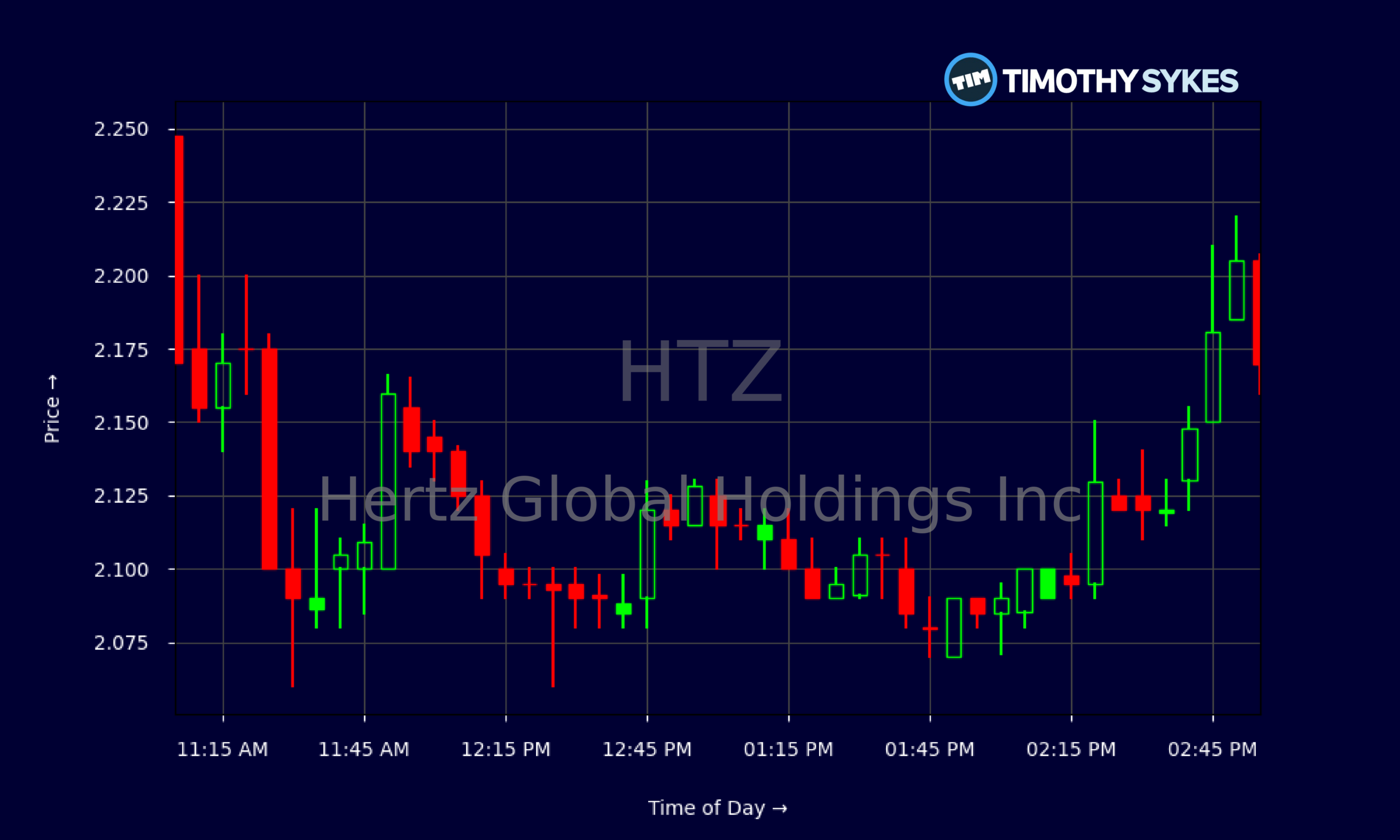
Live Update At 15:02:18 EDT: On Thursday, October 22, 2026 Hertz Global Holdings Inc stock [NASDAQ: HTZ] is trending up by 6.15%! Discover the key drivers behind this movement as well as our expert analysis in the detailed breakdown below.
Quick Financial Overview
HTZ is trading in the low-$2 range, with the latest close around $2.20 after a short-term grind higher from roughly $1.67 at the end of September 2026. That’s a solid bounce, but not a breakout. The daily chart shows HTZ stair-stepping up with higher lows from 2026/09/28, backed by multiple pushes above $2.00. Traders can see momentum trying to build, but every spike near $2.40 still attracts sellers.
Intraday, HTZ showed a clear morning push, ripping from about $2.13 at the open toward $2.45 before fading back into the low-$2.20s. That’s classic volatility — exactly what active traders look for. On the fundamentals side, Hertz Global Holdings delivered about $8.50B in trailing revenue with a rich 75% gross margin, but net profit margins are still negative near -3%. HTZ generates strong EBITDA — roughly $898M last quarter annualized — yet carries heavy leverage, with long-term debt above $17B and negative equity.
More Breaking News
Cash flow tells the real story. HTZ produced $381M of operating cash in the latest reported quarter, but free cash flow ran sharply negative at about -$3.26B thanks to massive capital spending and fleet moves. For traders, that mix screams “story plus balance-sheet risk” — strong revenue engine, tight liquidity runway.
Why Traders Are Watching HTZ Right Now
The big catalyst for HTZ is the $80M strategic equity investment into Oro Mobility, its majority-owned fleet platform. Oro pulled in capital from a high-profile consortium led by Cohen Private Ventures, with funds affiliated with Certares Opportunities and Knighthead Capital also participating. That outside money matters. It tells traders that sophisticated capital sees value in HTZ’s mobility arm beyond the legacy rental counter.
Hertz Global Holdings still retains majority economic ownership in Oro Mobility and remains its main fleet and services partner. In trading terms, HTZ just found a way to surface value from a growth asset without giving away the upside. Oro is being set up as a standalone growth platform in driver-led and autonomous fleet management, and as an independent player in the broader mobility ecosystem. That structure opens doors: future joint ventures, more strategic rounds, maybe even separate capital-markets activity around Oro down the road.
At the same time, HTZ is trying to squeeze more juice from its core fleet through the TestDrive+ expansion. Hertz Car Sales is rolling out the rebranded three-day test-drive program to more than 300 neighborhood rental locations across the U.S. Shoppers can take home the exact vehicle they want and apply the daily fee to the purchase price. That’s a clever funnel from rental into used-car sales, and if it scales, HTZ could see faster fleet turnover and better margins per vehicle.
Yet the market’s first reaction was cold. HTZ dropped about 3.7% on the TestDrive+ news. For short-term traders, that tells you sentiment around the used-car angle is cautious. The opportunity is that a real, operational improvement may be getting ignored while the spotlight sits on leverage and prior missteps. Add in a new Form 3 insider ownership filing and a scheduled Q3 2026 earnings call, and HTZ sits at a point where headlines can quickly shift the tape.
Conclusion
HTZ is showing the kind of blend that active traders love and fear at the same time — a beaten-down, highly leveraged name pushing into new growth stories. On one side, you have Oro Mobility pulling in $80M from heavyweight backers while Hertz Global Holdings keeps majority economics and strategic control. On the other, you have TestDrive+ quietly attacking a real-world problem: how to turn rental customers into higher-margin used-car buyers at more than 300 locations.
The fundamentals are not clean. HTZ still runs negative overall margins, carries a debt-heavy balance sheet, and has burned huge free cash flow to fund fleet moves. But the revenue engine is strong, cash from operations is positive, and management is clearly trying to create optionality with Oro Mobility and monetization levers like TestDrive+. The upcoming Q3 2026 earnings release will be the next checkpoint where traders can judge whether these moves are starting to show up in the numbers.
For active traders, HTZ remains a pure trading vehicle — not a set‑and‑forget story. The chart shows tight ranges that can open into sharp moves around catalysts, especially as news on Oro or TestDrive+ hits the tape. As Tim Sykes likes to say, “Charts don’t lie, traders do — so trust the price action and cut losses fast.” As millionaire penny stock trader and teacher Tim Sykes, says, “There is always another play around the corner; don’t chase just because you feel FOMO.”. With HTZ, that mindset is key: respect the volatility, trade the catalysts, and always treat this name as an educational case study in risk and reward, not as advice for long-term holding.
This is stock news, not investment advice. Timothy Sykes News delivers real-time stock market news focused on key catalysts driving short-term price movements. Our content is tailored for active traders and investors seeking to capitalize on rapid price fluctuations, particularly in volatile sectors like penny stocks. Readers come to us for detailed coverage on earnings reports, mergers, FDA approvals, new contracts, and unusual trading volumes that can trigger significant short-term price action. Some users utilize our news to explain sudden stock movements, while others rely on it for diligent research into potential investment opportunities.
Dive deeper into the world of trading with Timothy Sykes, renowned for his expertise in penny stocks. Explore his top picks and discover the strategies that have propelled him to success with these articles:
- Penny Stocks Trading Guide
- Best Penny Stocks Under $1 to Buy Today
- Top 8 Penny Stocks to Watch on Robinhood
Once you’ve got some stocks on watch, elevate your trading game with StocksToTrade the ultimate platform for traders. With specialized tools for swing and day trading, StocksToTrade will guide you through the market’s twists and turns.
Dig into StocksToTrade’s watchlists here:





Leave a reply