

DataMeds AI Inc. stocks have been trading up by 14.09 percent after unveiling a breakthrough healthcare AI diagnostics platform.
Key Takeaways
- Humana Medicaid approved coverage for the Helomics ChemoFx cancer test, opening a reimbursed revenue channel for select gynecologic cancer patients.
- Corexa Pharmacy topped $1M in preliminary September 2026 revenue, more than 66% above July, showing rapid scaling inside DataMeds AI.
- Shares of MEDS ripped between roughly 24% and 39% after the Humana decision and again on the Health Lives Here GLP‑1 app launch.
- The Health Lives Here app anchors MEDS’ push into GLP‑1, telehealth, and a national independent pharmacy network built around EinsteinRx and PharmacyChain.
- Litigation tied to the Helomics deal was settled, wiping about $19M of liabilities and retiring 364,099 shares, while MEDS refocuses on ChemoFx and its digital health ecosystem.
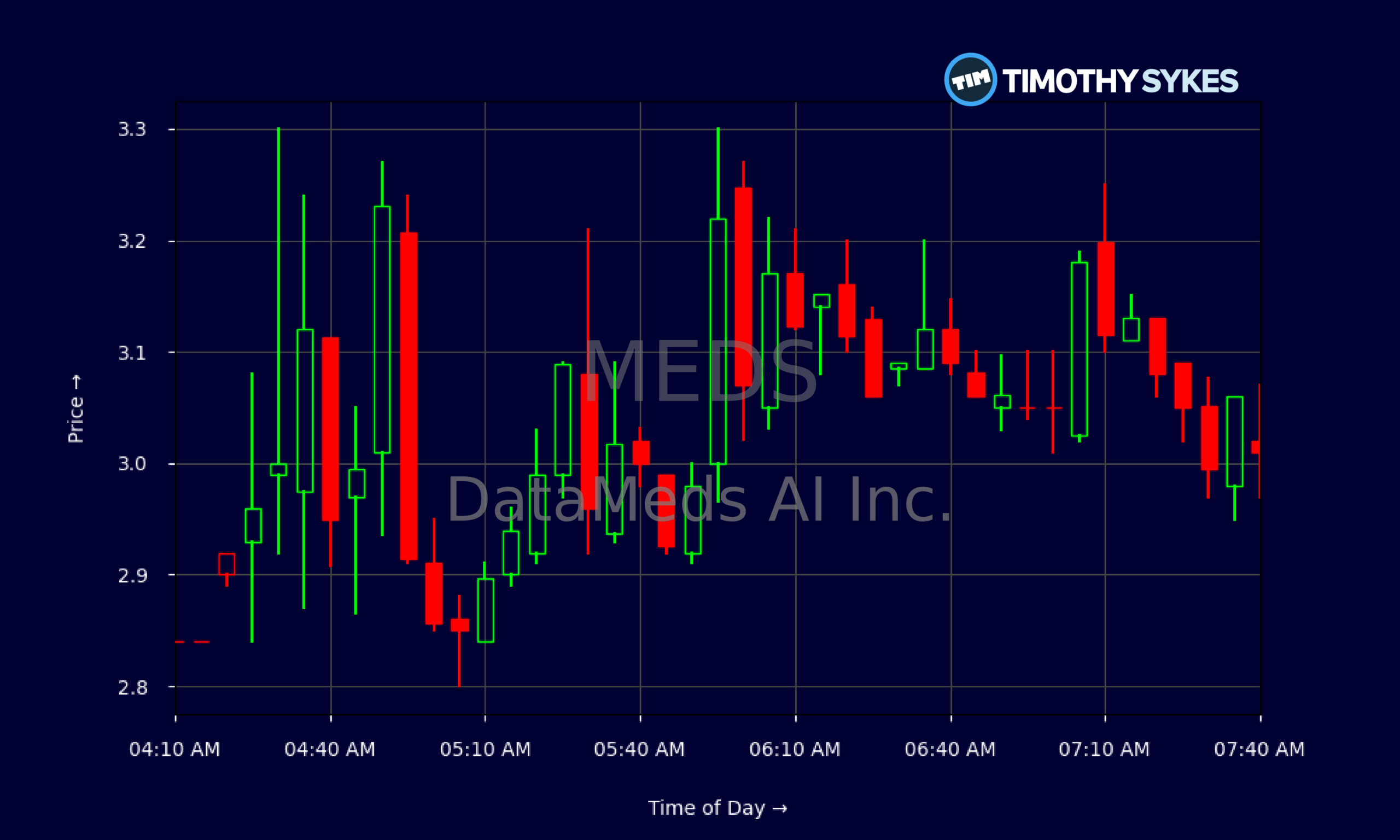
Live Update At 07:47:35 EDT: On Monday, October 19, 2026 DataMeds AI Inc. stock [NASDAQ: MEDS] is trending up by 14.09%! Discover the key drivers behind this movement as well as our expert analysis in the detailed breakdown below.
Quick Financial Overview
For traders, DataMeds AI Inc. (MEDS) is the classic high‑risk, high‑volatility small cap. The headline fundamentals look rough, but the tape shows how quickly this name can move on catalysts.
On the income side, MEDS generated about $23.3M in revenue over the trailing period, yet posted a net loss of roughly $18.4M in the latest quarter. Profit margins are deeply negative, and return on assets sits well below zero. The balance sheet shows heavy liabilities, negative equity, and a very thin current ratio near 0.1, signaling tight liquidity. This is not a slow, steady compounder; it’s a turnaround and growth speculation.
Still, MEDS sports a price‑to‑sales ratio around 1.05, which is low for a health‑tech and AI platform chasing GLP‑1, oncology, and telehealth themes. That combination of low sales multiple and messy financials often attracts momentum and short‑term traders.
More Breaking News
The recent daily chart tells the story. MEDS ran from the high‑$2s and low‑$3s into sharp spikes on news, then faded back toward $2.63 by 2026/10/16 as traders locked in gains. Intraday, the 5‑minute action shows violent swings between roughly $2.85 and just above $3.20, with fast flushes and snapbacks. For active trading, MEDS is all about timing, liquidity, and respecting risk.
Why Traders Are Watching MEDS Right Now
DataMeds AI has stacked a series of concrete catalysts that keep MEDS on watchlists across the momentum trading crowd. The biggest spark came from its Helomics subsidiary, which secured Humana Medicaid coverage for the ChemoFx chemoresponse assay in gynecologic cancers. That coverage, effective since 2026/07/22 for select clinical cases, gives MEDS a reimbursed path under CPT codes 81535 and 81536. Traders know payer decisions can instantly re‑rate tiny diagnostics names, and MEDS proved it with a premarket spike north of 38%, with reported surges in the 24%–39% range on heavy volume.
At the same time, MEDS is not just a one‑trick oncology story. Corexa Pharmacy, its pharmacy arm, delivered preliminary, unaudited revenue above $1M in September 2026, more than 66% higher than July. That kind of month‑over‑month jump signals real traction with expanded retail customers and new Tollo Health‑linked products. For traders, Corexa gives MEDS a tangible revenue engine behind the AI and app headlines.
The Health Lives Here mobile app launch with Tollo Health added another fuel source. Targeting GLP‑1 users with an integrated stack—telehealth, pharmacy, nutraceuticals, wearables data, and behavioral health—MEDS rode the GLP‑1 wave, with shares jumping roughly 22%–39% on strong volume. The company then layered on exclusive U.S. direct‑to‑consumer rights from REBOOT Health AI for a GLP‑1 weight‑management platform, using subscriptions and revenue‑sharing. That positions MEDS to monetize not just prescription fills but an entire care journey.
Finally, MEDS cleaned up its Helomics deal by settling litigation, removing about $19M of liabilities and retiring 364,099 shares. For a balance sheet this stretched, that matters. It reduces overhang and gives traders more room to lean into upside catalysts like ChemoFx adoption, peptide compounding growth via Corexa Health, and the broader Health Lives Here ecosystem.
Conclusion
Right now, MEDS is the kind of name momentum traders love: messy fundamentals, but real news, real revenue growth, and a chart that reacts violently to every headline. DataMeds AI has Medicaid coverage for ChemoFx in place, fast‑growing Corexa Pharmacy revenue above $1M in a single month, and a GLP‑1‑focused Health Lives Here app tied into AI engines like EinsteinRx and blockchain rails via PharmacyChain. Those storylines plug MEDS directly into some of the market’s hottest themes—AI, obesity drugs, telehealth, and precision oncology.
At the same time, traders cannot ignore the risk side. MEDS runs negative margins, carries heavy liabilities, and operates with tight working capital. When the news flow slows, this type of chart can unwind just as fast as it ran. The recent slide from above $3 back toward the mid‑$2s after the spikes is a live reminder of how quickly late chasers can get trapped.
For active traders studying MEDS, the playbook is clear: treat it as a catalyst‑driven vehicle, not a “set it and forget it” holding. Track headlines around Humana‑linked ChemoFx volumes, Corexa peptide and compounding trends, and GLP‑1 subscription traction inside Health Lives Here. As Tim Sykes likes to tell his students, “Volatile small caps are the best teachers in the market—as long as you respect the risks, cut losses quickly, and never confuse a hot story with a safe trade.” That mindset lines up with the broader discipline required to trade setups like MEDS; as millionaire penny stock trader and teacher Tim Sykes, says, “Consistency is key in trading; don’t let emotions dictate your trades.”.
This coverage of MEDS is for educational and research purposes only and is not investment advice.
This is stock news, not investment advice. Timothy Sykes News delivers real-time stock market news focused on key catalysts driving short-term price movements. Our content is tailored for active traders and investors seeking to capitalize on rapid price fluctuations, particularly in volatile sectors like penny stocks. Readers come to us for detailed coverage on earnings reports, mergers, FDA approvals, new contracts, and unusual trading volumes that can trigger significant short-term price action. Some users utilize our news to explain sudden stock movements, while others rely on it for diligent research into potential investment opportunities.
Dive deeper into the world of trading with Timothy Sykes, renowned for his expertise in penny stocks. Explore his top picks and discover the strategies that have propelled him to success with these articles:
- Penny Stocks Trading Guide
- Best Penny Stocks Under $1 to Buy Today
- Top 8 Penny Stocks to Watch on Robinhood
Once you’ve got some stocks on watch, elevate your trading game with StocksToTrade the ultimate platform for traders. With specialized tools for swing and day trading, StocksToTrade will guide you through the market’s twists and turns.
Dig into StocksToTrade’s watchlists here:





Leave a reply