

Cleveland-Cliffs Inc. stocks have been trading up by 7.32 percent following upbeat sentiment on stronger steel demand and profitability
Key Takeaways
- Q3 2026 marked the strongest quarter in three years, with adjusted EBITDA of $612M beating the prior $575M guide and revenue reaching $5.6B as CLF swung from a Q2 net loss to profit.
- Management guided Q4 2026 adjusted EBITDA to about $715M and projected 2027 adjusted EBITDA above $4B, anchored by contract changes and current steel price expectations.
- The company posted Q3 adjusted EPS of $0.28 versus a loss a year ago; revenue of $5.61B rose year over year, and the stock jumped more than 15% on the print.
- Wells Fargo lifted its Cleveland-Cliffs price target to $17 from $14 with an Overweight rating, citing stronger steel pricing, solid earnings visibility into 2027, and ongoing debt reduction.
- B. Riley raised its CLF target to $18 from $15 and reiterated a Buy rating, highlighting a stronger 2027 outlook and higher hot-rolled coil price assumptions, while flagging capex, cycle, and labor risks.
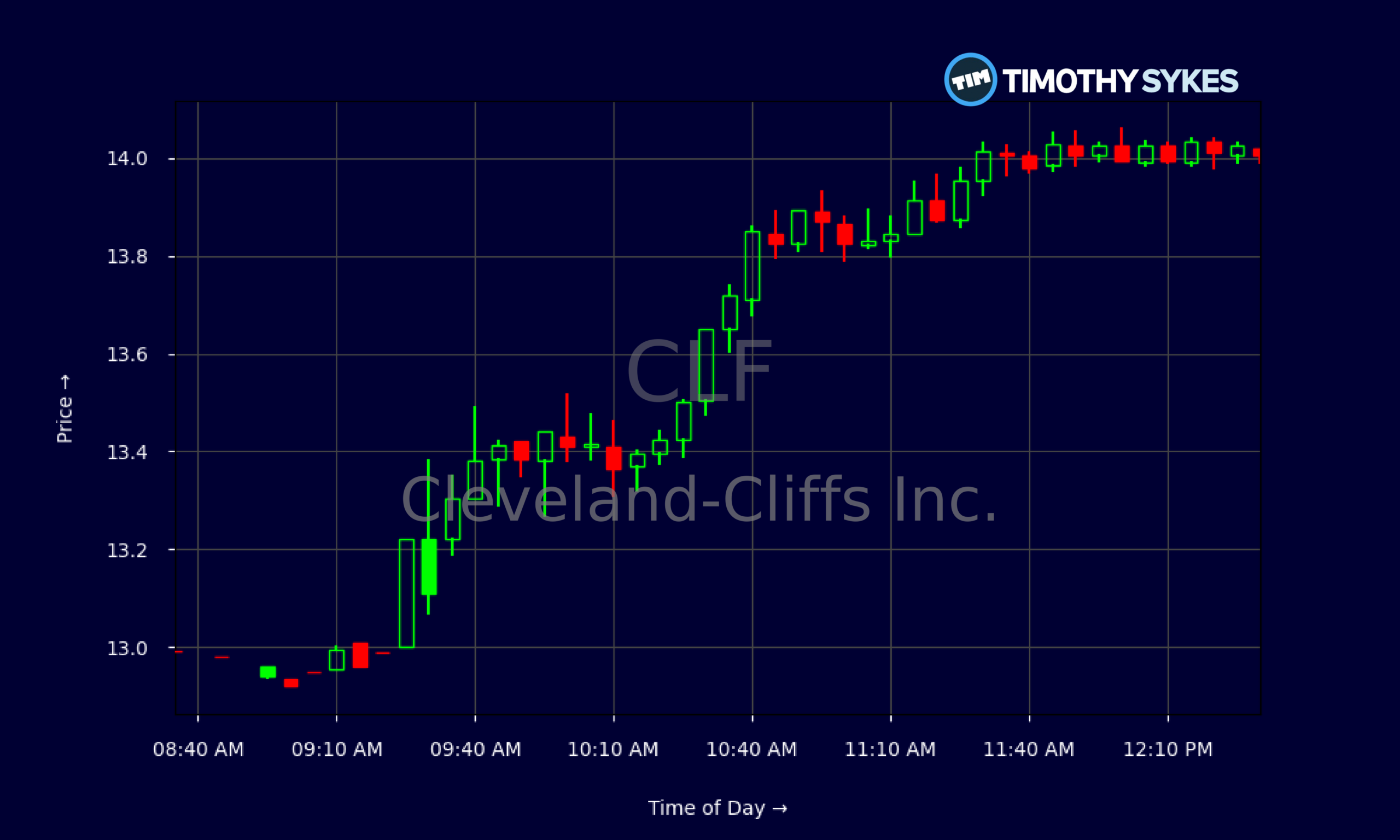
Live Update At 12:32:49 EDT: On Friday, October 23, 2026 Cleveland-Cliffs Inc. stock [NYSE: CLF] is trending up by 7.32%! Discover the key drivers behind this movement as well as our expert analysis in the detailed breakdown below.
Quick Financial Overview
Cleveland-Cliffs Inc. just reminded the market why traders still crowd into steel names when the cycle turns. CLF’s latest quarter showed total revenue around $5.61B and EBITDA near $620M, which lines up with the reported $612M adjusted EBITDA headline. That’s a sharp move from recent softness and confirms that pricing and volumes are finally doing the heavy lifting.
On the bottom line, CLF generated net income of about $152M with diluted EPS of $0.26–$0.28, versus losses a year ago. For active traders, that shift from red to black matters more than any single margin number. Cash flow backs it up: operating cash flow of $224M and free cash flow of $72M show CLF is not just booking accounting profits; it is actually generating cash after capex.
More Breaking News
The balance sheet still carries weight. Long-term debt of roughly $7.6B and total liabilities of about $14.4B keep leverage elevated, and interest coverage around 0.8 times tells you the company is not out of the woods on financing risk. But a current ratio near 1.9 and clear guidance to push leverage below 2.5x net debt/EBITDA by mid‑2027 give CLF a path to a cleaner story. For now, the chart and the earnings trend say momentum is shifting in CLF’s favor.
Why Traders Are Watching CLF Right Now
The recent tape in CLF is what momentum traders look for. After Q3 numbers hit, CLF shares ripped double digits — one move saw an 11% push to $13.52, another print showed a 16.7% jump to $14.14. Those are not quiet, slow‑grind value moves. That’s sentiment flipping from doubt to belief in a single earnings window.
Fundamentally, CLF delivered its strongest quarter in three years with Q3 2026 adjusted EBITDA of $612M versus prior guidance of $575M, powered by higher prices, better volumes, and cost work. The kicker for traders is not just the beat; it’s the forward path. Management sees Q4 2026 EBITDA around $715M despite normal seasonal and maintenance headwinds. Then they push the story out further, talking about more than $4B in adjusted EBITDA for 2027 if today’s pricing and contract changes hold.
That kind of multi‑year guide is what brings in bigger money and fuels trend trades. You can see it in the analyst reaction. Wells Fargo took its CLF target to $17 and called out stronger steel pricing and visibility through at least early 2027. B. Riley bumped its CLF target to $18, tying the upside to higher hot‑rolled coil assumptions and the potential for aggressive debt reduction.
There are still execution questions. CLF is integrating the Stelco acquisition, idling uneconomic galvanizing lines while trying to maintain tonnage and jobs amid Canadian regulatory noise. Elevated capex, a possible peak in steel pricing, and ongoing union negotiations all hang over the story. But when a stock like CLF moves from loss to profit, raises guidance, and rips 10–15% on volume, short‑term traders pay attention first and debate macro later.
Conclusion
For active traders, Cleveland-Cliffs Inc. is no longer a sleepy steel ticker. CLF’s price action has shifted from choppy base‑building around $11–$12 to a clean breakout toward $14, backed by real numbers. The daily chart shows CLF grinding higher for weeks, then accelerating as earnings confirmed what the tape was hinting at. Intraday, the 5‑minute candles around $13.20–$14.05 show steady higher lows rather than wild reversals — a sign of controlled accumulation rather than a one‑and‑done squeeze.
At the same time, CLF’s fundamentals are finally lining up with that chart. A swing to positive EPS, rising EBITDA guidance into Q4 2026, and a stated goal of driving leverage below 2.5x by mid‑2027 all give traders a concrete narrative to trade around. The risks — heavy debt, steel‑cycle peaks, Stelco integration, and labor talks — keep this far from a “set it and forget it” story, which is exactly why short‑term trading opportunities show up.
The key now is discipline. CLF has momentum, but momentum cuts both ways. As Tim Sykes likes to remind traders, “The market doesn’t owe you anything — protect your downside first, then worry about upside later.” As millionaire penny stock trader and teacher Tim Sykes, says, “It’s better to go home at zero than to go home in the red.”. For anyone tracking CLF, that means respecting support and resistance, reacting to new data fast, and never falling in love with the bull case, no matter how strong the last quarter looked. This analysis is for educational and research purposes only and is not investment advice.
This is stock news, not investment advice. Timothy Sykes News delivers real-time stock market news focused on key catalysts driving short-term price movements. Our content is tailored for active traders and investors seeking to capitalize on rapid price fluctuations, particularly in volatile sectors like penny stocks. Readers come to us for detailed coverage on earnings reports, mergers, FDA approvals, new contracts, and unusual trading volumes that can trigger significant short-term price action. Some users utilize our news to explain sudden stock movements, while others rely on it for diligent research into potential investment opportunities.
Dive deeper into the world of trading with Timothy Sykes, renowned for his expertise in penny stocks. Explore his top picks and discover the strategies that have propelled him to success with these articles:
- Penny Stocks Trading Guide
- Best Penny Stocks Under $1 to Buy Today
- Top 8 Penny Stocks to Watch on Robinhood
Once you’ve got some stocks on watch, elevate your trading game with StocksToTrade the ultimate platform for traders. With specialized tools for swing and day trading, StocksToTrade will guide you through the market’s twists and turns.
Dig into StocksToTrade’s watchlists here:





Leave a reply