

Zenta Group Company Limited’s stocks have been trading up by 66.93 percent on heightened optimism from its most impactful recent developments
Key Takeaways
- ZTG has fallen sharply from recent highs near $2.40, closing around $0.62 as momentum cooled.
- Intraday action shows heavy volatility, with Zenta Group Company Limited swinging from $0.59 to above $1.10 in one session.
- ZTG posts roughly $3.16M in revenue but runs at a negative pretax margin, signaling a still‑unproven business model.
- A price‑to‑sales ratio near 14.4 keeps ZTG in rich territory, even after the selloff.
- Traders are watching whether ZTG can build support above recent lows or if selling pressure resumes.
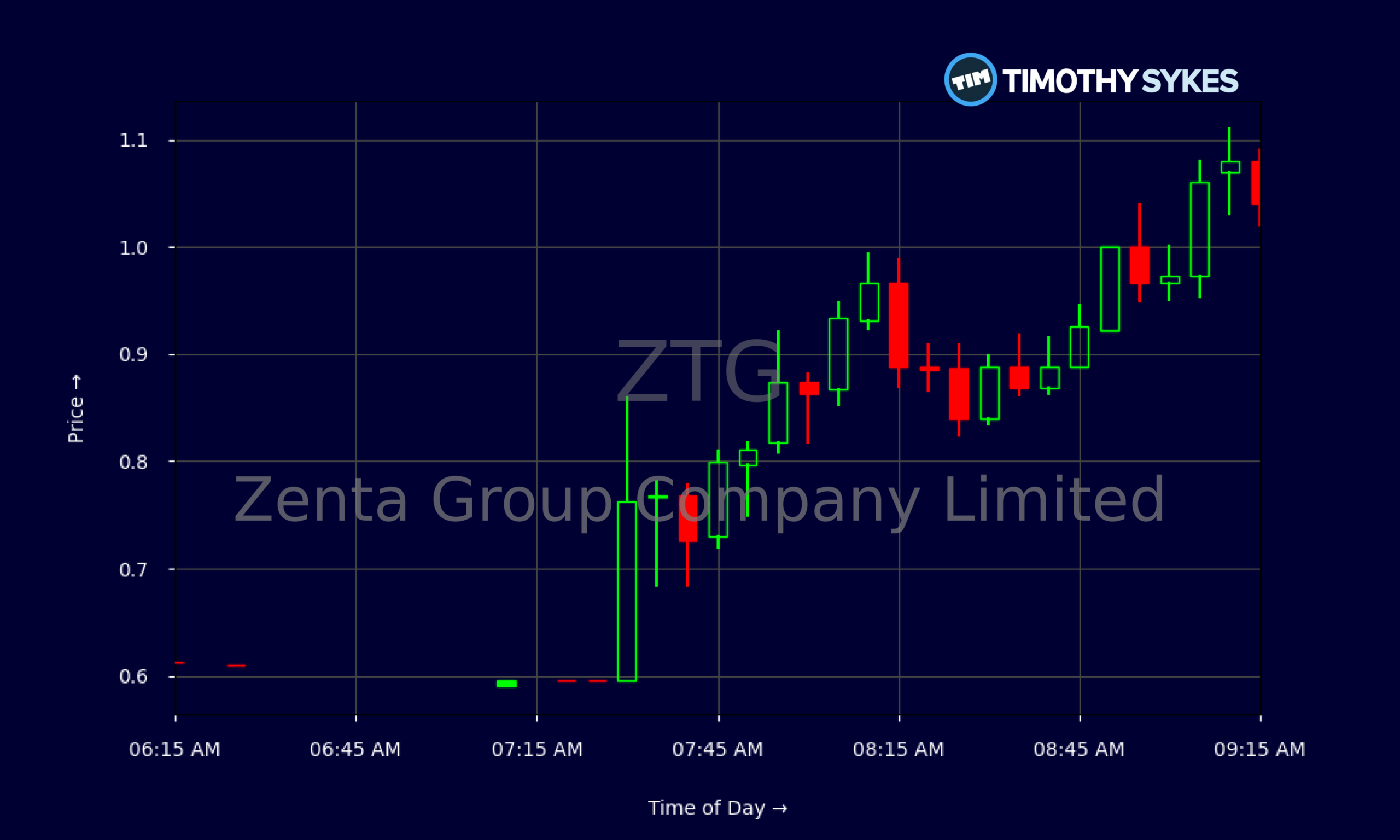
Live Update At 09:18:47 EDT: On Friday, October 16, 2026 Zenta Group Company Limited stock [NASDAQ: ZTG] is trending up by 66.93%! Discover the key drivers behind this movement as well as our expert analysis in the detailed breakdown below.
Quick Financial Overview
Zenta Group Company Limited is trading like a classic speculative small-cap. ZTG’s recent daily chart shows a hard fade from a high around $2.40 down to the $0.60 zone, wiping out more than half its value in a few weeks. That’s the kind of rollercoaster that rewards disciplined traders and punishes bag-holders.
On the fundamentals, ZTG reports about $3.16M in revenue, yet its pretax profit margin sits near -58.7%. In plain language, Zenta Group Company Limited spends far more than it brings in. That’s common in early-stage or turnaround stories, but it raises risk for anyone trading the name.
More Breaking News
The balance sheet looks cleaner than the income statement. ZTG shows total assets around $7.30M and equity near $6.89M, implying relatively modest liabilities of about $0.41M. With a price-to-sales ratio near 14.4 and price-to-book around 2.4, Zenta Group Company Limited still commands a premium valuation versus many traditional businesses. For traders, that means ZTG needs continued volatility and strong narrative appeal to justify its current pricing.
Why Traders Are Watching ZTG Price Swings
Zenta Group Company Limited has turned into a volatility playground. ZTG’s daily candles show the story clearly: from a high near $2.40 down to sub‑$1 levels, then a grind into the $0.60s. Sharp pops, even sharper fades. That is textbook momentum unwinding.
Zoom into the intraday action and the picture gets even wilder. ZTG opened the session near $0.59, then ripped up toward $0.86, later pushing above $1.10 before fading back around $1.04. For active traders, these are big percentage moves in tight time windows. That’s opportunity, but it’s also danger if you chase without a plan.
The daily chart of Zenta Group Company Limited now shows a clear downtrend: lower highs from the $2.40 area, then repeated rejections under $1.00. Each bounce in ZTG has been shorter and weaker, suggesting sellers still control the tape. At the same time, the most recent closes in the low $0.60s are clustering, hinting at a potential short‑term base.
When you pair that technical picture with the fundamentals, the setup becomes clearer. ZTG is not cheap on standard ratios; Zenta Group Company Limited carries high price-to-sales and negative margins. That tells traders any sustained rally will likely be fueled by sentiment and momentum, not classic value buying. For the Sykes‑style trader, ZTG is the kind of ticker you trade, not marry—stalking clean chart patterns, watching volume, and cutting losses fast when the pattern breaks.
Conclusion
Zenta Group Company Limited sits at an interesting crossroad. The big fade from $2.40 to the $0.60 area has wrung out a lot of early euphoria, but ZTG still shows enough intraday range to attract day traders who live on volatility. The key now is whether ZTG can hold recent lows and start building higher lows, or if that $0.60 band snaps and opens the door to a deeper slide.
From a fundamentals lens, ZTG remains a high‑risk story. Zenta Group Company Limited is generating revenue but losing money at the pretax line, and its valuation ratios stay stretched relative to those numbers. That doesn’t mean ZTG cannot squeeze higher; it just means the edge comes from reading the chart and tape, not from relying on balance‑sheet comfort.
For traders, the game plan around Zenta Group Company Limited should be clear: treat ZTG as a momentum vehicle. Map your levels, respect liquidity, and avoid holding blindly through huge swings. As millionaire penny stock trader and teacher Tim Sykes, says, “Preparation plus patience leads to big profits.” As Tim Sykes likes to say, “The market doesn’t care about your feelings, only your discipline.” ZTG is a live-fire test of that mindset—perfect for traders who study hard, react fast, and never forget to cut losses quickly.
This is stock news, not investment advice. Timothy Sykes News delivers real-time stock market news focused on key catalysts driving short-term price movements. Our content is tailored for active traders and investors seeking to capitalize on rapid price fluctuations, particularly in volatile sectors like penny stocks. Readers come to us for detailed coverage on earnings reports, mergers, FDA approvals, new contracts, and unusual trading volumes that can trigger significant short-term price action. Some users utilize our news to explain sudden stock movements, while others rely on it for diligent research into potential investment opportunities.
Dive deeper into the world of trading with Timothy Sykes, renowned for his expertise in penny stocks. Explore his top picks and discover the strategies that have propelled him to success with these articles:
- Penny Stocks Trading Guide
- Best Penny Stocks Under $1 to Buy Today
- Top 8 Penny Stocks to Watch on Robinhood
Once you’ve got some stocks on watch, elevate your trading game with StocksToTrade the ultimate platform for traders. With specialized tools for swing and day trading, StocksToTrade will guide you through the market’s twists and turns.
Dig into StocksToTrade’s watchlists here:




Leave a reply