
STAK Inc. stocks have been trading up by 49.0 percent following transformative AI partnership news that electrified investor sentiment.
Key Takeaways
- Premarket trading shows STAK down about 14% after a 53% surge in the prior session, a classic momentum whipsaw.
- Recent daily charts for STAK hover around the $1 mark, with multiple failed pushes above $1.15 signaling heavy overhead supply.
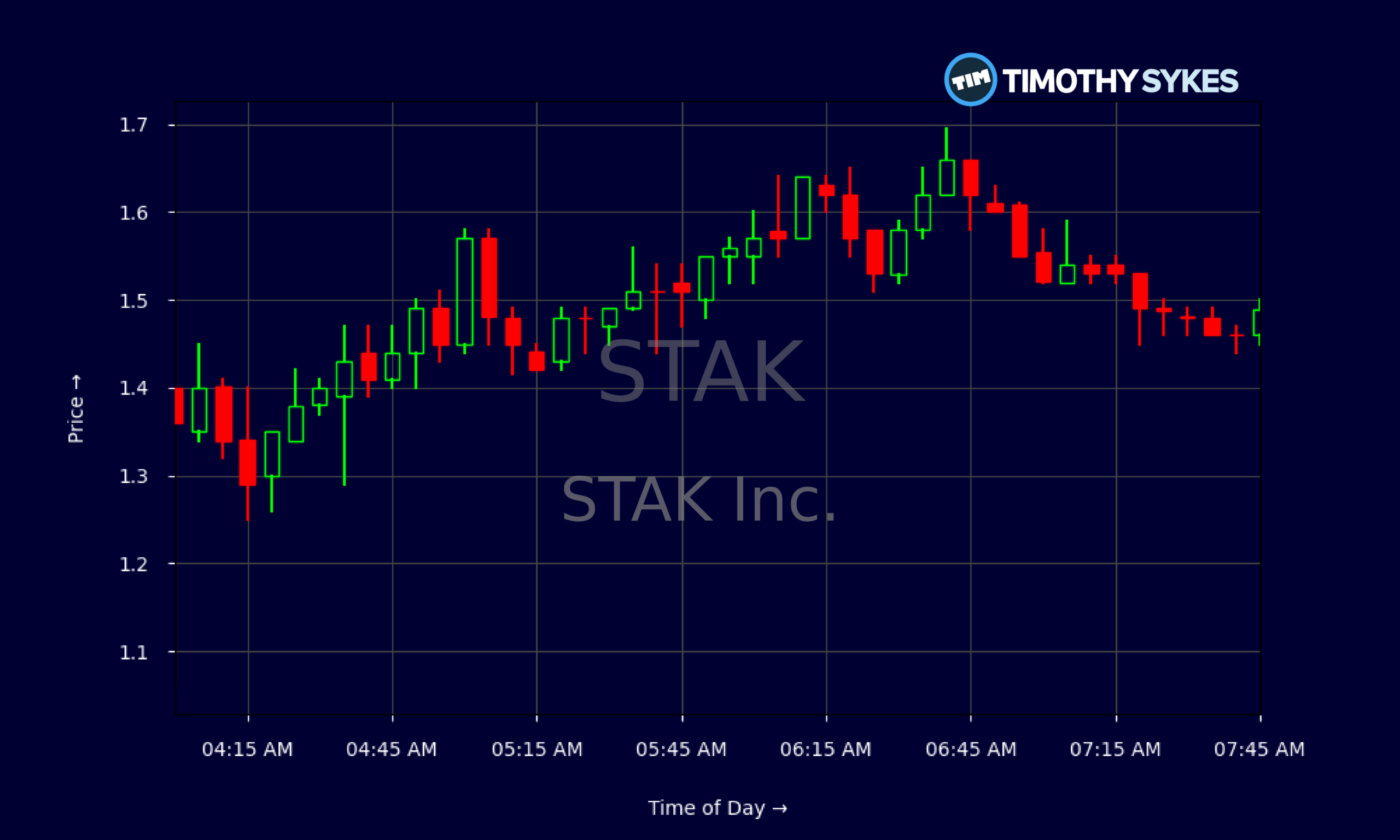
- Intraday action in STAK has featured wide ranges and fast reversals between $1.30 and $1.69, underscoring elevated day-trading risk.
- Balance sheet data suggests STAK is a small, leveraged name with thin cash, adding fuel to sharp speculative moves.
Live Update At 07:47:36 EDT: On Thursday, October 22, 2026 STAK Inc. stock [NASDAQ: STAK] is trending up by 49.0%! Discover the key drivers behind this movement as well as our expert analysis in the detailed breakdown below.
Quick Financial Overview
STAK is trading like a classic low-priced momentum name. The recent daily closes cluster just above $1, with most sessions opening and closing within a narrow band, yet intraday highs often stretch to $1.10–$1.20. That pattern tells traders one thing: every push higher in STAK keeps meeting sellers.
The fundamental snapshot backs up why STAK trades this way. Revenue sits near $28.2M, and enterprise value is roughly $27.3M, so the price-to-sales ratio around 0.83 keeps STAK in “cheap on sales” territory. But cheap does not mean safe. Book value per share is about $0.67, while STAK trades above that, at a price-to-book of 1.61.
More Breaking News
STAK also carries leverage. The balance sheet shows total liabilities around half the asset base, with a leverage ratio of 2.1 and long-term debt on the books, plus heavy current debt. Cash and equivalents are just above $1M, small for this structure. For traders, that combination — low price, modest revenue, tighter cash — often translates into violent runs and equally violent pullbacks, exactly what STAK is showing now.
Why Traders Are Watching STAK’s Volatility
STAK grabbed traders’ attention after a 53% surge in one session, followed by a 14% premarket drop. That kind of whipsaw is a textbook momentum climax. When a stock like STAK explodes higher, shorts scramble, breakout chasers pile in, and liquidity thins out. The next morning, reality usually returns. Traders lock in profits, late buyers panic, and the air comes out fast.
Look at the intraday tape. STAK has printed wild swings from around $1.30 up to nearly $1.70 in the premarket window, then faded back toward the mid-$1.40s and $1.50s. Those $0.20–$0.30 swings on a $1–$1.60 stock are massive percentage moves. For disciplined day traders, STAK becomes a trading vehicle, not a long-term story. The edge comes from reading the levels, not falling in love with the ticker.
The multiday chart reinforces this. STAK tried to hold above $1.15–$1.20 several times and failed, rolling back toward $1.00–$1.05. That overhead resistance is now a key zone. If STAK pushes back into that range after this 14% premarket slide, short-term traders will watch for either a squeeze back toward the recent highs or a clean rejection that turns into another fade.
Because STAK is small, leveraged, and low-priced, liquidity shocks matter more. Any surge in volume can push it far from fundamentals for a day or two. Then the snapback comes. This is exactly the environment momentum traders study — quick spikes, clear levels, and tight risk.
Conclusion
STAK is offering a live case study in momentum trading. A 53% burst up, followed by a 14% premarket drop, tells traders that STAK is in play, but also unforgiving. The fundamentals show a small company with limited cash, leverage on the balance sheet, and a stock price clustered around $1 despite repeated spikes. That mix supports the kind of boom-and-bust moves we are seeing in STAK right now.
Active traders watching STAK need to think in terms of risk first, reward second. The intraday data shows big wicks and fast reversals, which favor those who plan entries and exits around key levels instead of chasing every candle. STAK can be a strong teacher for newer traders who want to understand how supply, demand, and psychology shape a chart in real time. As millionaire penny stock trader and teacher Tim Sykes, says, “Consistency is key in trading; don’t let emotions dictate your trades.”
As Tim Sykes often says, “The market doesn’t care about your feelings, only your discipline.” STAK is enforcing that lesson today. For educational and research-focused traders, STAK’s current volatility is a reminder to cut losses quickly, respect premarket signals, and treat every hot runner as a trade, not a promise.
This is stock news, not investment advice. Timothy Sykes News delivers real-time stock market news focused on key catalysts driving short-term price movements. Our content is tailored for active traders and investors seeking to capitalize on rapid price fluctuations, particularly in volatile sectors like penny stocks. Readers come to us for detailed coverage on earnings reports, mergers, FDA approvals, new contracts, and unusual trading volumes that can trigger significant short-term price action. Some users utilize our news to explain sudden stock movements, while others rely on it for diligent research into potential investment opportunities.
Dive deeper into the world of trading with Timothy Sykes, renowned for his expertise in penny stocks. Explore his top picks and discover the strategies that have propelled him to success with these articles:
- Penny Stocks Trading Guide
- Best Penny Stocks Under $1 to Buy Today
- Top 8 Penny Stocks to Watch on Robinhood
Once you’ve got some stocks on watch, elevate your trading game with StocksToTrade the ultimate platform for traders. With specialized tools for swing and day trading, StocksToTrade will guide you through the market’s twists and turns.
Dig into StocksToTrade’s watchlists here:





Leave a reply