

SoFi Technologies Inc. stocks have been trading down by -4.88 percent after negative analyst coverage dampened growth expectations.
Key Takeaways
- Keefe Bruyette Woods cut its SoFi Technologies price target to $15 from $16 and reiterated an Underperform rating.
- The firm flagged fair value accounting dynamics, rising interest rates, and rapid balance sheet growth as drivers of an estimated greater than $1B Q3 headwind for SOFI.
- Analysts expect this backdrop to fuel higher loan growth at SoFi Technologies but also to weaken capital levels, a combination active traders cannot ignore.
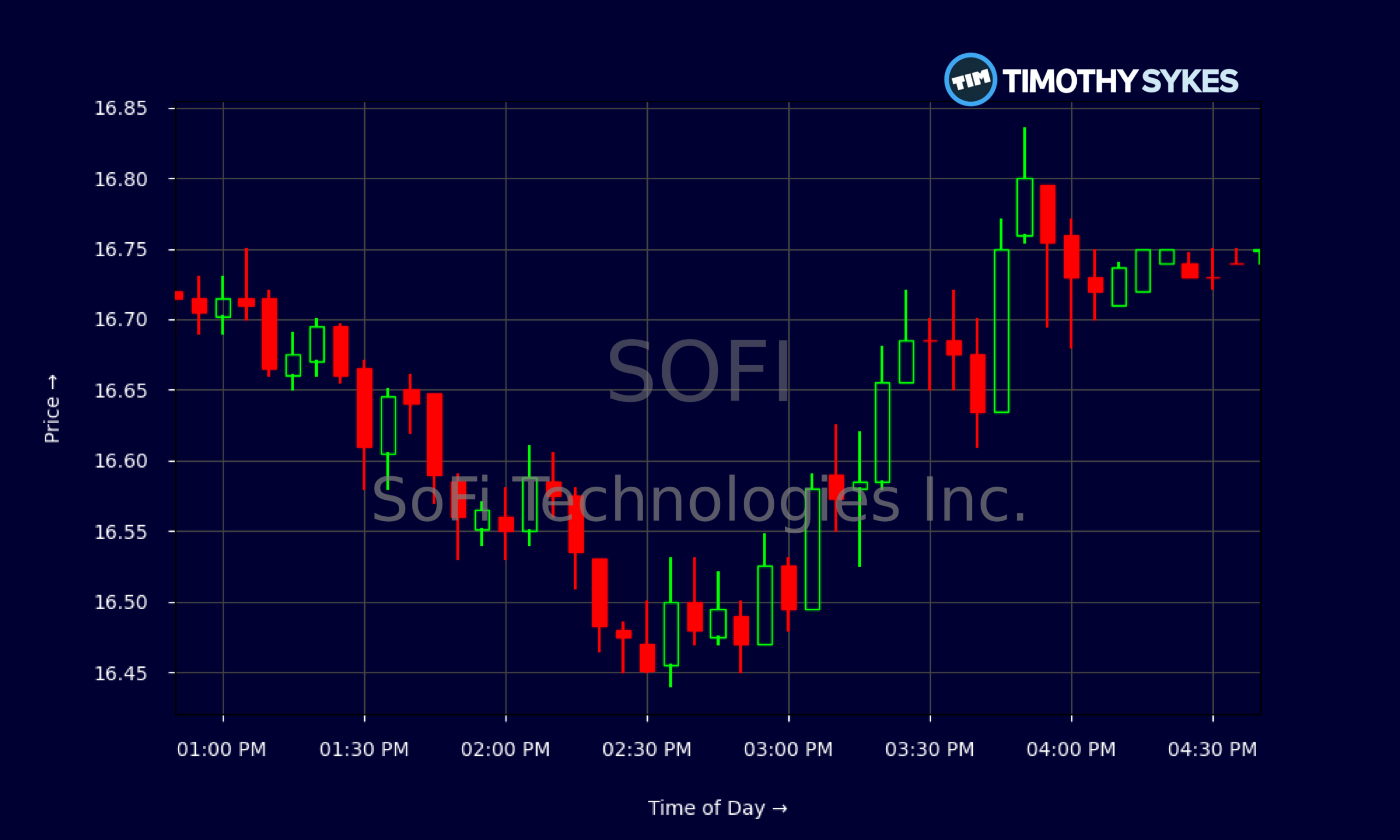
Live Update At 16:46:52 EDT: On Friday, October 30, 2026 SoFi Technologies Inc. stock [NASDAQ: SOFI] is trending down by -4.88%! Discover the key drivers behind this movement as well as our expert analysis in the detailed breakdown below.
Quick Financial Overview
SOFI has been grinding higher on the chart, even as the latest research note turns more cautious. Over the past couple of weeks, SoFi Technologies climbed from roughly $14.20 to about $16.76, putting in a clear short‑term uptrend with a series of higher lows and strong closes. That tells traders there is real dip‑buying interest, even into negative headlines.
Intraday, SOFI’s 5‑minute tape around $16.70–$16.80 shows tight trading ranges and steady bids, not panic. This is controlled action, more like consolidation than blow‑off or liquidation. For short‑term traders, that usually means the battle between bulls and bears is still undecided.
Fundamentally, SoFi Technologies posted about $3.61B in annual revenue, with revenue growing more than 30% a year recently. Profitability is still thin: pretax margin sits near 3.1%, and the price/earnings ratio around 32. That tells traders the market already prices in strong growth. With a price‑to‑sales near 4.7 and price‑to‑book around 1.8, SOFI is not cheap, but it is not a meme‑style outlier either.
More Breaking News
The balance sheet is big for a fintech bank. SoFi Technologies carries roughly $60.9B in assets, driven by about $47.9B in loans and $45.5B in deposits. Leverage is meaningful, with a 5.5 leverage ratio and total debt‑to‑equity near 0.31, but not extreme by banking standards. Overall, SOFI is a growth‑bank hybrid stock where sentiment can swing fast when analysts change their tone.
Why Traders Are Watching SOFI Now
The latest hit to sentiment comes from Keefe Bruyette Woods, a core research house in the banking space. The firm cut its SoFi Technologies price target to $15 from $16 and stuck with an Underperform rating. For SOFI traders, that is a direct shot at the bull case, because this is not a momentum‑chasing shop — it is a bank‑focused outfit that digs into balance sheets and accounting.
Their main concern is an estimated greater than $1B headwind in Q3 tied to fair value accounting dynamics, rising interest rates, and rapid balance sheet growth. Translation for traders: as SoFi Technologies grows its loan book fast, the marks on those loans become more sensitive to rate moves and valuation models. If those marks move the wrong way, reported earnings can get hit even if underlying loan demand looks strong.
Keefe Bruyette Woods also expects this mix to drive elevated loan growth but lower capital levels at SOFI. That is a key tell. More loans sound bullish on the surface, but if capital ratios compress, regulators and the market start to worry about how much risk the company is taking on. For a stock like SoFi Technologies that already trades at a premium growth multiple, any hint of capital strain gives short biased traders a narrative to lean on.
The price‑target cut to $15 now sits roughly around or slightly under where SOFI has been trading. That creates a psychological ceiling. Short‑term, expect many traders to fade spikes toward the high‑$16s and low‑$17s, using the $15 target as a reference point. At the same time, the recent steady tape shows there are still bulls willing to defend the mid‑$16 area, keeping the range tradable for now.
Conclusion
SOFI is at one of those classic crossroads that active traders live for. On one side, the chart for SoFi Technologies still shows strength, with the stock pushing well above recent $14 support and holding tight intraday near $16.70–$16.80. On the other, a respected bank analyst just called out more than $1B in expected Q3 headwinds and reaffirmed an Underperform view, warning about accounting noise, higher rates, and capital pressure.
For traders, that tension is the setup. If SoFi Technologies shrugs off the Keefe Bruyette Woods cut and holds above $16, momentum players will keep treating SOFI as a long on dips, at least until the next catalyst. If the stock starts cracking back toward $15, the analyst’s target becomes a magnet, and short‑biased traders gain the upper hand. Either way, risk management has to come first.
This is exactly the kind of name where many in the Tim Sykes community focus on clean levels and fast decision‑making. As Tim loves to remind traders, “Patterns repeat, but you have to cut losses quickly when you’re wrong.” As millionaire penny stock trader and teacher Tim Sykes says, “Cut losses quickly, let profits ride, and don’t overtrade.” With SoFi Technologies facing a tougher analyst backdrop and a leveraged growth model, SOFI offers opportunity — but only for traders who respect the volatility and treat every trade as a research exercise, not a guarantee.
This is stock news, not investment advice. Timothy Sykes News delivers real-time stock market news focused on key catalysts driving short-term price movements. Our content is tailored for active traders and investors seeking to capitalize on rapid price fluctuations, particularly in volatile sectors like penny stocks. Readers come to us for detailed coverage on earnings reports, mergers, FDA approvals, new contracts, and unusual trading volumes that can trigger significant short-term price action. Some users utilize our news to explain sudden stock movements, while others rely on it for diligent research into potential investment opportunities.
Dive deeper into the world of trading with Timothy Sykes, renowned for his expertise in penny stocks. Explore his top picks and discover the strategies that have propelled him to success with these articles:
- Penny Stocks Trading Guide
- Best Penny Stocks Under $1 to Buy Today
- Top 8 Penny Stocks to Watch on Robinhood
Once you’ve got some stocks on watch, elevate your trading game with StocksToTrade the ultimate platform for traders. With specialized tools for swing and day trading, StocksToTrade will guide you through the market’s twists and turns.
Dig into StocksToTrade’s watchlists here:





Leave a reply