

Snap Inc. faces heightened pressure as weakening ad demand and competitive headwinds deepen investor pessimism, with stocks trading down -6.06 percent.
Key Takeaways
- UBS raised its price target on Snap from $5.70 to $7 but kept a Neutral rating, signaling only cautious optimism despite a firmer digital ad backdrop.
- Evercore’s channel checks flagged “negative” ad trends for Snap, with agencies steering near-term budgets toward other platforms.
- A U.S. appeals court cleared Florida to bar children under 14 from apps like Snapchat, directly attacking engagement tools such as autoplay and infinite scroll.
- The proposed EU Kids Act would sharply restrict minors’ access to social media and addictive features, adding structural risk for Snap across Europe.
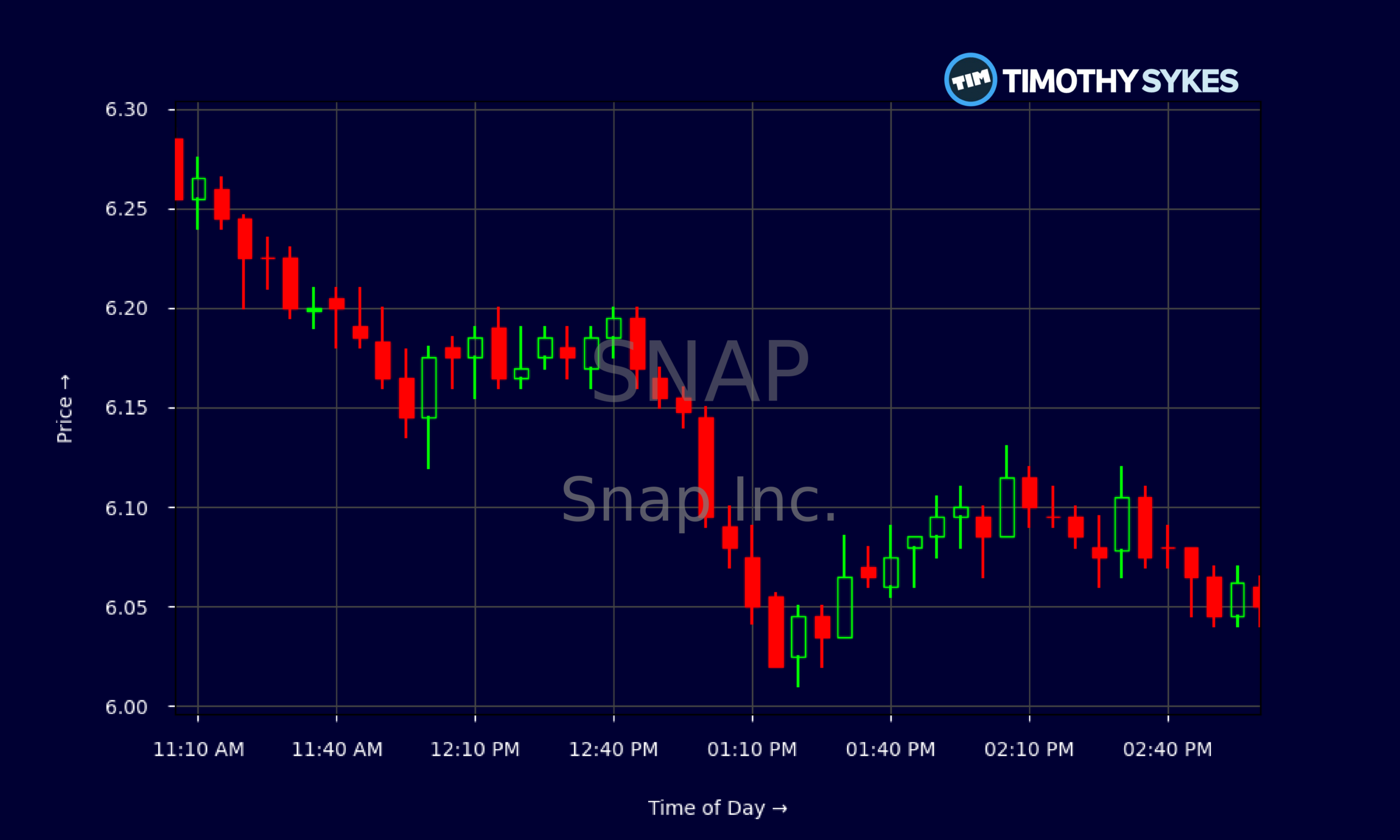
Live Update At 15:02:22 EDT: On Friday, October 16, 2026 Snap Inc. stock [NYSE: SNAP] is trending down by -6.06%! Discover the key drivers behind this movement as well as our expert analysis in the detailed breakdown below.
Quick Financial Overview
SNAP is trading in classic grind-up mode on the daily chart. Over the past few weeks, Snap Inc. has climbed from the mid-$5s to roughly the low-$6s, with the latest close near $6.05 after a multi-day push as high as $6.85. That’s a steady, stair-step uptrend, not a wild squeeze. For short-term traders, SNAP has been offering clean ranges of $0.20–$0.40 per day, enough room for day trades but not a true momentum breakout yet.
Intraday, the 5‑minute chart shows SNAP fading from a premarket pop above $6.50 and then spending most of the session slowly bleeding lower to around $6.05. That intraday pattern tells traders one thing: supply is still heavy above $6.30–$6.40, with sellers hitting strength rather than chasing higher.
More Breaking News
On fundamentals, Snap Inc. remains a work in progress. The company generated about $5.93B in revenue over the last year and sports a strong 78.4% gross margin, but profitability is still negative, with an EBIT margin of roughly -2.6% and net margins near -5%. Cash flow has improved, with about $120.5M of free cash flow last quarter, yet heavy stock-based compensation and leverage (total debt-to-equity around 2.19) keep pressure on the SNAP story. For active trading, that mix usually supports sharp moves around every macro or company headline.
Why Traders Are Watching SNAP Now
SNAP is sitting in the crosshairs of both Wall Street and regulators, and that cocktail is exactly what short-term traders hunt for. On the Street side, UBS just raised its SNAP price target from $5.70 to $7, but crucially stuck with a Neutral rating. That tells traders institutions see some upside after the recent climb, but they are not ready to call Snap Inc. a winner in this phase of the ad cycle. UBS specifically points out SNAP is still struggling to gain advertiser prioritization even as the broader digital ad environment firms up.
At the same time, Evercore’s ad channel checks came in “negative” for SNAP. Agencies are signaling weaker near-term ad trends and smaller budget allocations to the platform compared with peers like The Trade Desk. For fundamental traders, that sounds like potential share loss right when the pie itself is growing. If the digital ad market is improving but SNAP is lagging, that often caps rallies and sets up “sell the rip” action into resistance.
Layer on top the regulatory hits. In the U.S., a federal appeals court has allowed Florida to enforce a law that blocks children under 14 from using social media platforms like Snapchat and goes after addictive mechanics such as autoplay and infinite scroll. In Europe, the proposed EU Kids Act would bar kids under 13 from social media, demand parental controls for 13–14‑year‑olds, and force platforms to tone down profiling and engagement hooks for minors. For a company like Snap Inc., whose user base skews young, this is not background noise. It’s core business risk. All of this makes SNAP a headline-driven ticker where each policy or analyst note can trigger fast, tradeable moves.
Conclusion
For active traders, SNAP is the definition of a battleground stock right now. The chart shows an early-stage recovery from the $5s into the low-$6s, backed by improving free cash flow and a still-solid revenue base above $5.9B. At the same time, negative returns on equity, high leverage, and thin operating margins limit how much patience big money will have with Snap Inc. if growth or ad share stumbles again.
UBS lifting its price target to $7 while staying Neutral lines up with what the tape is already saying: SNAP has room to bounce, but the market is not ready to pay a rich multiple for a company that agencies describe as lagging in ad budgets. Evercore’s weak channel checks, plus mounting regulatory pressure from Florida and the EU Kids Act, give bears real ammo whenever SNAP spikes toward prior resistance.
That mix is exactly where disciplined traders thrive — clear catalysts, defined levels, and real risk on both sides. As Tim Sykes likes to hammer home, “Patterns repeat, but you have to respect the risks and cut losses fast when the story shifts.” As millionaire penny stock trader and teacher Tim Sykes, says, “Consistency is key in trading; don’t let emotions dictate your trades.”. For anyone trading SNAP, the play is not to fall in love with the company. The edge is in tracking the news, reading the price action, and staying ready to adjust the plan the moment the next headline hits.
This is stock news, not investment advice. Timothy Sykes News delivers real-time stock market news focused on key catalysts driving short-term price movements. Our content is tailored for active traders and investors seeking to capitalize on rapid price fluctuations, particularly in volatile sectors like penny stocks. Readers come to us for detailed coverage on earnings reports, mergers, FDA approvals, new contracts, and unusual trading volumes that can trigger significant short-term price action. Some users utilize our news to explain sudden stock movements, while others rely on it for diligent research into potential investment opportunities.
Dive deeper into the world of trading with Timothy Sykes, renowned for his expertise in penny stocks. Explore his top picks and discover the strategies that have propelled him to success with these articles:
- Penny Stocks Trading Guide
- Best Penny Stocks Under $1 to Buy Today
- Top 8 Penny Stocks to Watch on Robinhood
Once you’ve got some stocks on watch, elevate your trading game with StocksToTrade the ultimate platform for traders. With specialized tools for swing and day trading, StocksToTrade will guide you through the market’s twists and turns.
Dig into StocksToTrade’s watchlists here:





Leave a reply