

VALE S.A. stocks have been trading up by 3.2 percent following upbeat commodity demand forecasts boosting investor optimism
Key Takeaways For VALE Traders
- JPMorgan raised its price target on Vale to $22 from $21 and reiterated an Overweight rating after updating its financial model.
- Bernstein nudged its price target on Vale to $12.50 from $12 while maintaining a Market Perform rating, citing a complex nickel supply chain dominated by Indonesia and a modeled moderate surplus over the next decade.
- Vale received court authorization to partially resume operations at its Fabrica iron ore mine in Ouro Preto, Minas Gerais, under a Commitment Agreement with local authorities, with no change to current production guidance.
- Vale is considering issuing up to 3.5 billion yuan (about $522 million) in its first onshore China “panda bond” via Vale Overseas, guaranteed by the parent, to diversify funding sources.
- RBC raised its price target on Vale to $16 from $15 with a Sector Perform rating, while UBS cut its target to $15 from $16.50 and kept a Neutral rating, leaving the broader Street at an average Overweight with a consensus target around $16.8 versus a share price near $13.5.

Live Update At 16:46:56 EDT: On Monday, October 05, 2026 VALE S.A. stock [NYSE: VALE] is trending up by 3.2%! Discover the key drivers behind this movement as well as our expert analysis in the detailed breakdown below.
Quick Financial Overview
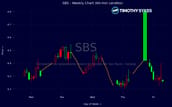
VALE has been grinding in a tight range while the Street slowly lifts its expectations. Recent trading shows the stock closing at $14.15 on 2026/10/05, down from the mid‑$15s seen in mid‑September. That’s a controlled pullback, not a collapse. Across the last few weeks, VALE has bounced between roughly $13.3 and $15.3, telling traders this is a choppy commodity name where support keeps showing up on dips.
Intraday, the 5‑minute tape shows VALE fading from the $14.70s in premarket down toward $14.15 into the close. That intraday slide shows sellers active above $14.50 and short‑term momentum cooling. For day traders, this intraday roll‑over is a clear “respect overhead resistance” signal.
More Breaking News
Fundamentally, Vale generated about $38.06B in revenue with a pretax margin near 53.7%. Return on equity near 23% and return on assets around 9% show VALE still throws off serious profits when the cycle cooperates. With a roughly 4% dividend yield and a price‑to‑sales around 1.5, the market is not paying huge growth multiples here. Combined with an enterprise value near $72.98B and leverage ratio of 2.6, traders are looking at a classic cyclical major: solid balance sheet, but very tied to iron ore and nickel cycles.
Why Traders Are Watching VALE Now
Traders are locked in on VALE because the news flow lines up with a classic “potential re‑rating” story. On the bullish side, JPMorgan just took its VALE price target to $22 and stuck with an Overweight call. From a share price around the mid‑teens, that implies meaningful upside for anyone tracking swing setups. RBC also bumped its target to $16 from $15, reinforcing that big banks see room above current levels.
At the same time, the average Street target for VALE sits around $16.8 with an overall Overweight stance. Layer that over a spot price near $13.5–$14 and the message is simple: the consensus thinks the stock is too cheap, but they are not screaming “no‑brainer.” UBS actually trimmed its target to $15 and stayed Neutral, reminding traders that macro and commodity risk are still front and center.
Operationally, the Fabrica mine news matters. Court approval to partially restart operations in Minas Gerais under a Commitment Agreement, with no change to production guidance, removes a chunk of tail risk. For VALE, that’s code for “no fresh hit to tonnage or revenues from this issue.” For short‑term trading, reduced headline risk often translates into less gap‑down danger.
The other big storyline is China. Vale is weighing a debut onshore “panda bond” of up to 3.5B yuan (about $522M), issued via Vale Overseas and guaranteed by the parent. The market’s first reaction was a roughly 2.5% premarket pop, showing traders liked the idea of deeper access to China’s capital markets. A follow‑up read showing modest share weakness underlines the flip side: execution, pricing, and debt‑load questions. Still, for a global miner like VALE, diversified funding in its key end‑market is a long‑term strategic positive.
Conclusion
Put it all together and VALE sits in a classic battleground zone that active traders love. The chart shows a stock stuck between $13 and $15, with liquidity and intraday ranges big enough for serious day trades. The fundamentals show strong profitability and a near‑4% cash yield, but also clear sensitivity to iron ore and nickel pricing. Analyst targets clustering around $16–$22, versus a current price in the mid‑teens, frame a defined upside band that short‑term traders can anchor against.
The Fabrica restart authorization calms some operational nerves, while the planned China panda bond pushes Vale deeper into its most important demand center. Those moves increase VALE’s financial flexibility, but they also mean traders need to stay on top of bond terms, debt metrics, and any shifts in Chinese steel demand.
For the Tim Sykes‑style crowd that studies charts first and news second, VALE is a textbook case of a liquid, headline‑driven large cap. As Tim Sykes loves to remind traders, “Patterns repeat, but you have to be prepared every single day.” As millionaire penny stock trader and teacher Tim Sykes, says, “Be patient, don’t force trades, and let the perfect setups come to you.”. With VALE, the pattern right now is range‑bound chop against a backdrop of cautious optimism. The edge goes to traders who map the levels, respect the catalysts, and cut losses fast if the commodity cycle turns against them.
This is stock news, not investment advice. Timothy Sykes News delivers real-time stock market news focused on key catalysts driving short-term price movements. Our content is tailored for active traders and investors seeking to capitalize on rapid price fluctuations, particularly in volatile sectors like penny stocks. Readers come to us for detailed coverage on earnings reports, mergers, FDA approvals, new contracts, and unusual trading volumes that can trigger significant short-term price action. Some users utilize our news to explain sudden stock movements, while others rely on it for diligent research into potential investment opportunities.
Dive deeper into the world of trading with Timothy Sykes, renowned for his expertise in penny stocks. Explore his top picks and discover the strategies that have propelled him to success with these articles:
- Penny Stocks Trading Guide
- Best Penny Stocks Under $1 to Buy Today
- Top 8 Penny Stocks to Watch on Robinhood
Once you’ve got some stocks on watch, elevate your trading game with StocksToTrade the ultimate platform for traders. With specialized tools for swing and day trading, StocksToTrade will guide you through the market’s twists and turns.
Dig into StocksToTrade’s watchlists here:




Leave a reply