

Atlantic American Corporation shares have surged as stocks have been trading up by 37.17 percent on heightened investor optimism.
Key Takeaways
- A sudden spike in AAME’s premarket trading followed a fresh Form 8‑K current report with the SEC.
- The 8‑K coverage offers no details, leaving traders guessing about the underlying event.
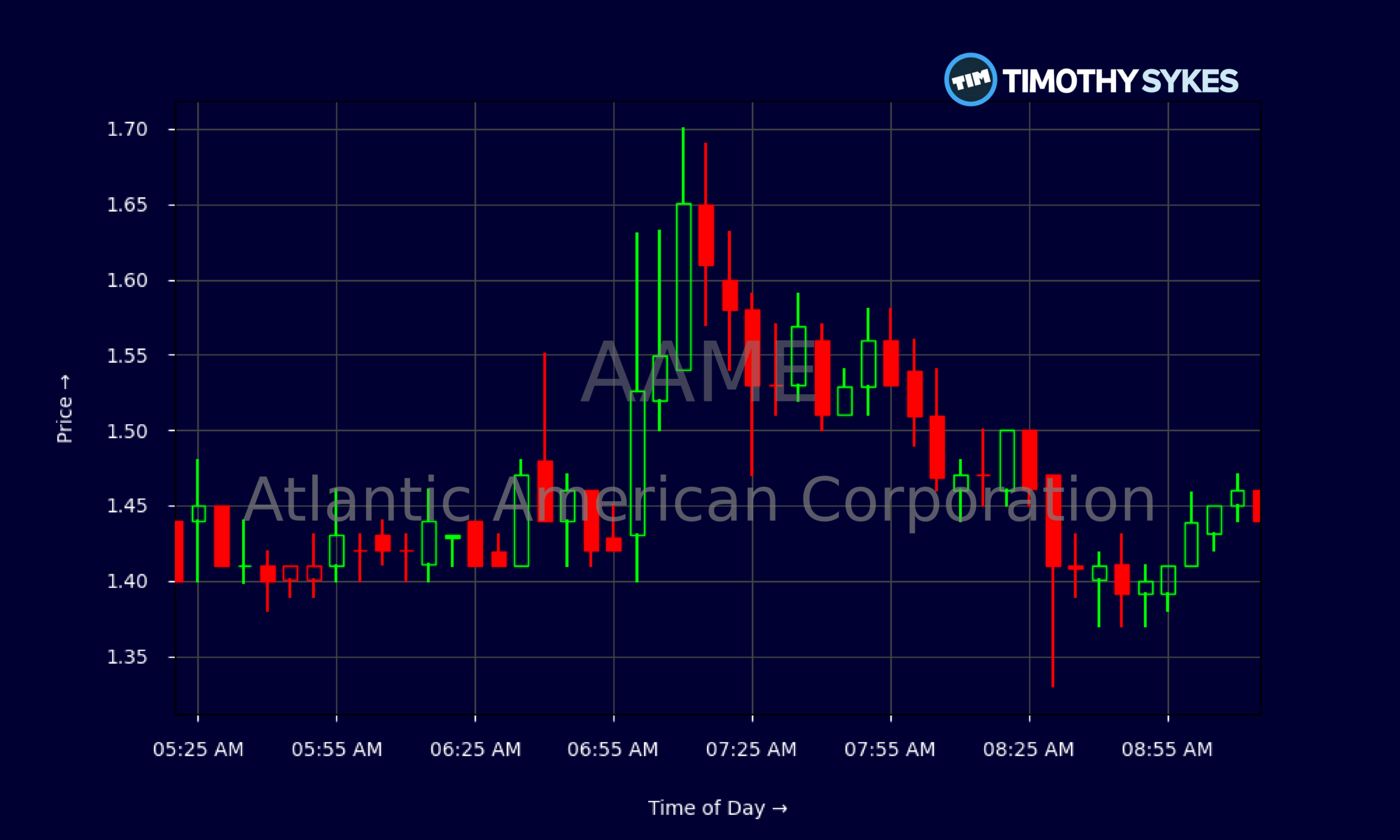
- AAME’s chart shows a sharp intraday surge from the $1.40s into the high $1.70s before pulling back.
- Valuation metrics suggest AAME trades well below book value, drawing bargain hunters despite thin liquidity.
Live Update At 09:19:10 EDT: On Monday, October 19, 2026 Atlantic American Corporation stock [NASDAQ: AAME] is trending up by 37.17%! Discover the key drivers behind this movement as well as our expert analysis in the detailed breakdown below.
Quick Financial Overview
Atlantic American Corporation, ticker AAME, is a thinly traded, small insurance name that suddenly grabbed attention after the latest Form 8‑K hit the tape. Before the news, AAME had been drifting lower for weeks. The daily chart shows the stock sliding from around $1.36–$1.40 in late 2026/09 to roughly $1.05 by 2026/10/16. That’s a serious downtrend, with lower highs and lower lows, not the kind of action momentum traders usually chase.
Under the hood, though, AAME’s fundamentals look surprisingly solid for a sub‑$2 stock. The company generated about $210.4M in revenue, with revenue per share a little over $10. AAME posts a low price‑to‑sales ratio near 0.12 and trades around 0.22 times book value, with book value per share of roughly $5.37. For value‑oriented traders, that kind of discount to book stands out.
More Breaking News
Profitability is modest but real. Recent filings show net income of roughly $1.3M, return on equity in the low single digits, and positive operating cash flow of about $17.7M. Debt looks manageable with total debt‑to‑equity around 0.31. In simple terms, AAME is not a high‑growth rocket, but the balance sheet and cash flows look steadier than its tiny share price suggests.
Why Traders Are Watching AAME After The 8‑K
The catalyst bringing AAME back onto radar screens is that fresh Form 8‑K current report with the SEC. That filing signals some “material” corporate event at Atlantic American Corporation. The twist: the article summarizing the filing offers no detail on what actually happened. No description, no numbers, no clear driver. For active traders, that lack of clarity can be both a risk and an opportunity.
Look at the intraday tape. AAME exploded from an early $1.40 open up through $2.79 at one extreme candle before fading into the mid‑$1.60s and $1.70s, then finally settling much lower. The premarket and early‑session prints show wide ranges with repeated pushes into the $1.50–$1.70 area and heavy price swings in five‑minute bars. That is classic low‑float, news‑headline volatility.
The key is that nothing in the public summary of the 8‑K tells traders whether the event is positive or negative. Atlantic American Corporation might be reporting something routine, or something more significant; all the market sees for now is “material event” and a ticker that was already beaten down. When that pairs with ultra‑cheap valuation metrics, many short‑term traders treat AAME as a clean technical trade instead of a long‑term story.
So AAME becomes a pure pattern‑plus‑news play. The story is mystery. The chart is momentum. Smart traders in the Tim Sykes community watch how AAME holds key intraday levels, whether it can build higher lows above the $1.40–$1.50 zone, and how volume behaves on every push. Without detail on the 8‑K, price and volume are the only real tells.
Conclusion
Atlantic American Corporation is a reminder of how fast a quiet microcap can wake up. AAME spent weeks grinding lower, only to rip intraday on nothing more than a vague 8‑K headline and a bargain‑bin valuation profile. Revenue over $200M, positive net income, and a price far below book value supply the backdrop. But the trigger for traders right now is simple: uncertainty around that Form 8‑K.
Because the 8‑K summary does not spell out the event, disciplined traders treat AAME as a short‑term trading vehicle, not a blind long‑term bet. The right move is to study the chart, track every press release, and wait for the full filing or follow‑up disclosure before assigning a longer‑term narrative. Volatility is real here; so is the risk. In this kind of fast‑moving, news‑driven environment, patience and discipline matter more than ever. As millionaire penny stock trader and teacher Tim Sykes, says, “Be patient, don’t force trades, and let the perfect setups come to you.” That kind of trading mindset helps prevent chasing random spikes or overtrading a ticker like AAME when the catalyst is still unclear.
For the Sykes‑style trader, the playbook stays the same. Look for a clean pattern, respect support and resistance, and never fall in love with a ticker like AAME just because it’s cheap on paper. As Tim Sykes likes to remind traders, “The market doesn’t reward hope; it rewards preparation and discipline.” That mindset applies directly to AAME right now. This coverage is for educational and research purposes only, and every trader has to do their own homework before making any moves.
This is stock news, not investment advice. Timothy Sykes News delivers real-time stock market news focused on key catalysts driving short-term price movements. Our content is tailored for active traders and investors seeking to capitalize on rapid price fluctuations, particularly in volatile sectors like penny stocks. Readers come to us for detailed coverage on earnings reports, mergers, FDA approvals, new contracts, and unusual trading volumes that can trigger significant short-term price action. Some users utilize our news to explain sudden stock movements, while others rely on it for diligent research into potential investment opportunities.
Dive deeper into the world of trading with Timothy Sykes, renowned for his expertise in penny stocks. Explore his top picks and discover the strategies that have propelled him to success with these articles:
- Penny Stocks Trading Guide
- Best Penny Stocks Under $1 to Buy Today
- Top 8 Penny Stocks to Watch on Robinhood
Once you’ve got some stocks on watch, elevate your trading game with StocksToTrade the ultimate platform for traders. With specialized tools for swing and day trading, StocksToTrade will guide you through the market’s twists and turns.
Dig into StocksToTrade’s watchlists here:





Leave a reply