

AeroVironment Inc. stocks have been trading up by 9.56 percent amid bullish sentiment on growing military drone demand.
Key Takeaways
- Landmark $464.8M U.S. Army Enduring‑High Energy Laser contract moves AVAV’s LOCUST X3 from prototype to multi‑year production, backed by a $30M manufacturing ramp‑up.
- Record Q1 FY27 revenue of $480.5M, 6% year over year growth, and non‑GAAP EPS of $0.59 crushed expectations near $0.22–$0.25, with a powerful 1.4x book‑to‑bill on $0.7B of bookings.
- Funded backlog hit a record $1.5B, up 37% year over year, as AVAV reaffirmed FY27 revenue guidance of $2.125B–$2.225B and EPS of $3.02–$3.34.
- First international direct commercial sale over $50M for the LOCUST laser counter‑drone system signals accelerating global demand and a growing directed‑energy revenue stream.
- NASA/JPL tapped AVAV’s MacCready Works to build three Mars helicopters for the SkyFall mission targeting a 2028 launch, reinforcing the company’s high‑end aerospace engineering edge.

Live Update At 12:32:37 EDT: On Thursday, September 10, 2026 AeroVironment Inc. stock [NASDAQ: AVAV] is trending up by 9.56%! Discover the key drivers behind this movement as well as our expert analysis in the detailed breakdown below.
Quick Financial Overview
AeroVironment Inc. (AVAV) just backed up its news flow with numbers that matter to traders. Q1 FY27 revenue came in at $480.5M, up 6% year over year and ahead of Wall Street expectations. Adjusted EPS landed at $0.59 versus consensus around $0.22–$0.25, a clear beat that helps explain why AVAV shares popped roughly 4% after the print.
Even under GAAP, the story is improving. AVAV narrowed its net loss to $5.1M from a prior $67.4M, while gross margin expanded from 21% to 26% as acquisition‑related amortization eased. That tells traders this isn’t just top‑line growth; the core business is getting more efficient.
The order book is where AVAV really stands out. Bookings hit about $0.7B, driving a 1.4x book‑to‑bill ratio and pushing funded backlog to a record $1.5B, up 37% year over year. For traders, that backlog is future revenue already queued up. Management reaffirmed FY27 revenue guidance of $2.125B–$2.225B and EPS of $3.02–$3.34, signaling confidence after a big quarter and major contract wins.
More Breaking News
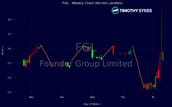
On the chart, AVAV has been volatile but constructive. After sliding from the mid‑$170s in late August to a low near $140, the stock has bounced hard. On 2026/09/10 it closed at $154.35, up sharply from $140.80 the prior day, showing clear momentum after earnings. Intraday action shows tight trading between roughly $155 and $157 for much of the late morning, a sign of consolidation after the spike. Key ratios back the growth story: price‑to‑sales around 3.8 is not cheap, but AVAV has low leverage, with total debt‑to‑equity at 0.19 and a strong current ratio of 4.3, giving it room to keep funding growth. For active traders, that combination of improving earnings quality, heavy backlog, and a liquid balance sheet sets up AVAV as a classic growth‑at‑a‑reasonable‑risk defense name to watch on every pullback.
Why Traders Are Watching AVAV Right Now
The real story around AVAV this week is that a long‑talked‑about technology just turned into big, locked‑in dollars. AeroVironment’s $464.8M U.S. Army Enduring‑High Energy Laser (E‑HEL) production contract for the LOCUST X3 laser weapon system is not a science project. It is the first large‑scale U.S. directed‑energy weapons production award. The Army is committing to field dozens of systems over multiple years, and AVAV is investing over $30M to ramp manufacturing. That’s a structural shift from prototype demos to repeatable hardware.
For traders, that means AVAV’s directed‑energy segment is becoming a real revenue pillar, not just an R&D line item. The contract scale and duration create multi‑year visibility and position AVAV as an early leader in laser‑based counter‑drone tech. If the E‑HEL program works in the field, follow‑on orders and upgrades often snowball in defense.
The story doesn’t stop in Washington. AVAV also booked its first international direct commercial sale worth over $50M for the LOCUST laser system. That’s textbook validation that global buyers want a U.S.‑made counter‑UAS laser solution. It also diversifies AVAV away from a single customer and opens a fresh pipeline of foreign deals that could force guidance higher if they keep landing.
Layer on the macro tailwind: new Trump‑era tariffs of up to 100% on heavier and thermal‑imaging drones, and 25% on smaller drones, hammer Chinese‑made systems. Domestic defense and drone players like AVAV instantly look more competitive as imported rivals get pricier. While the impact won’t be overnight, policy is clearly tilting in favor of U.S. manufacturers.
Add the NASA/JPL SkyFall contract, where AVAV’s MacCready Works will co‑design and build three autonomous Mars helicopters for a 2028 mission, and you see why the market rewarded the stock. That Mars work is prestige engineering. It underlines that AeroVironment isn’t just a drone vendor; it is a high‑end aerospace platform with capabilities that support a premium trading multiple when sentiment swings risk‑on in defense tech.
Conclusion
Put it all together and AVAV now checks several boxes active traders care about: fresh catalysts, strong numbers, and a chart that just woke back up. The company delivered record quarterly revenue, a clear earnings beat, and a record $1.5B backlog, then layered on a $464.8M directed‑energy contract and a $50M‑plus international laser order. Management didn’t hide behind the good news either; AVAV reaffirmed FY27 guidance, telling the market it sees the current trajectory as sustainable.
From a balance‑sheet view, AVAV has room to keep pushing. Low leverage, over $600M in cash and short‑term investments, and solid free cash flow support the $30M production ramp‑up and ongoing R&D. Profitability metrics are still negative on a trailing basis, but the sharply smaller GAAP loss and expanding margins show that scale is starting to work in AeroVironment’s favor.
For traders, the key is to stay disciplined. AVAV has moved from the low $140s back into the mid‑$150s within days, so chasing every spike is dangerous. As Tim Sykes likes to say, “Patterns repeat, but you have to be prepared and you have to cut losses fast.” As millionaire penny stock trader and teacher Tim Sykes says, “There is always another play around the corner; don’t chase just because you feel FOMO.”. AVAV is giving the market a new fundamental story in lasers and space, backed by real contracts and cash flow. The job now is to watch how the stock trades around key support and resistance, track new orders and guidance updates, and treat every setup as a trading opportunity—not a forever hold.
This is stock news, not investment advice. Timothy Sykes News delivers real-time stock market news focused on key catalysts driving short-term price movements. Our content is tailored for active traders and investors seeking to capitalize on rapid price fluctuations, particularly in volatile sectors like penny stocks. Readers come to us for detailed coverage on earnings reports, mergers, FDA approvals, new contracts, and unusual trading volumes that can trigger significant short-term price action. Some users utilize our news to explain sudden stock movements, while others rely on it for diligent research into potential investment opportunities.
Dive deeper into the world of trading with Timothy Sykes, renowned for his expertise in penny stocks. Explore his top picks and discover the strategies that have propelled him to success with these articles:
- Penny Stocks Trading Guide
- Best Penny Stocks Under $1 to Buy Today
- Top 8 Penny Stocks to Watch on Robinhood
Once you’ve got some stocks on watch, elevate your trading game with StocksToTrade the ultimate platform for traders. With specialized tools for swing and day trading, StocksToTrade will guide you through the market’s twists and turns.
Dig into StocksToTrade’s watchlists here:




Leave a reply