

Aehr Test Systems stocks have been trading up by 13.28 percent amid strong demand outlook for its silicon carbide test systems.
Key Takeaways Traders Need To Know
- A major $22M follow-on AI order locks in six months of FOX-XP and WaferPak shipments to a high-volume partner in Taiwan, boosting near-term revenue visibility.
- Jefferies launched coverage on Aehr Test Systems with a Buy rating and a $175 target, flagging AEHR as the only vendor cleared for both wafer- and package-level AI burn-in.
- Shares recently dropped about 9.5%–10.5% intraday toward $110–$112 on no new fundamental news, underscoring AEHR’s volatility.
- Multiple insiders, including an executive vice president and directors Howard T. Slayen and Rhea J. Posedel, locked in $0.8M–$2.17M each in sales but still hold large stakes.
- Management is stepping up conference appearances with Lake Street, Jefferies, and Needham to push the AI, silicon photonics, and power-device growth story to institutional traders.

Live Update At 16:46:43 EDT: On Friday, September 04, 2026 Aehr Test Systems stock [NASDAQ: AEHR] is trending up by 13.28%! Discover the key drivers behind this movement as well as our expert analysis in the detailed breakdown below.
Quick Financial Overview
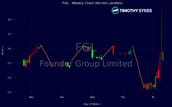
AEHR has been trading like a high‑beta AI proxy. Over the last stretch of daily candles, the stock ran from a recent low near $78 to close at $86.26 on 2026/09/04, after previously topping out above $145 in mid‑August. That’s a big round trip, and it tells traders this name doesn’t drift — it sprints.
Intraday on the latest session, AEHR shook out early, opening around $78.02 and grinding higher all day, with steady higher lows and a push into the high $86s into the close. That intraday trend shows dip‑buyers still stepping in.
Fundamentally, Aehr Test Systems posted quarterly revenue of about $18.8M and gross margin of 35.3%. Operating income was negative, with an EBIT margin around -27.9%, but the company still printed roughly $1.4M in net income helped by non‑operating items. AEHR trades at a rich price‑to‑sales multiple above 50x and price‑to‑book near 12x, classic for a momentum growth story.
More Breaking News
On the balance sheet, AEHR holds about $116.4M in cash and minimal debt, with a current ratio around 10.3. For traders, that means plenty of runway to chase AI and silicon photonics growth, but also expectations that are already sky‑high.
Why Traders Are Watching AEHR So Closely
The core of the AEHR story right now is that $22M follow‑on order from its lead wafer‑level AI processor customer. This isn’t a pilot order. It is production hardware: multiple fully automated FOX‑XP wafer‑level burn‑in systems plus WaferPak contactors and aligners. Shipments will flow over the next six months to a high‑volume manufacturing partner in Taiwan, and the customer has already telegraphed plans for capacity beyond this batch.
For traders, that matters more than any pitch deck. It’s hard confirmation that real AI silicon is going into real high‑volume production, and AEHR sits in the middle as the burn‑in gatekeeper. The company has been known for silicon carbide test systems tied to EVs; now the backlog is shifting toward AI processors, silicon photonics, and high‑speed networking. That pivot is exactly what momentum traders look for.
Wall Street is noticing. Jefferies initiated coverage of Aehr Test Systems with a Buy rating and a $175 price target, and noted that AEHR is the only vendor qualified at both wafer‑ and package‑level burn‑in for AI production. The stock responded with about a 7% pop on above‑average volume, trading near $131.84 on 2026/08/14. A fresh, above‑consensus target like that often pulls in more funds and amplifies trading volume.
At the same time, AEHR remains a rollercoaster. Shares have dropped 9.5%–10.5% in a single session to roughly $110–$112 without new negative news, showing how positioning and sentiment alone can drive big swings. Add in sizable insider sales from an executive vice president and directors Howard T. Slayen and Rhea J. Posedel — each cashing in between about $0.8M and $2.17M — and short‑term traders have extra fuel for both bull and bear setups, even though those insiders still hold substantial stakes.
Conclusion
Put it all together, and AEHR is a classic high‑expectation, high‑volatility growth name sitting directly in the AI supply chain. The $22M AI follow‑on order, with shipments staged over six months and hints of more capacity later, gives Aehr Test Systems rare visibility for a small‑cap semiconductor equipment player. Conference appearances with Lake Street, Jefferies, and Needham show management is leaning into the story, telling the Street AEHR is no longer just a SiC/EV side play but a pick‑and‑shovel tool for AI data centers, power devices, and silicon photonics.
The flip side is all in the tape and the filings. AEHR has shown double‑digit single‑day drops on no fresh fundamental news, reminding traders that this ticker trades on emotion as much as earnings. Insider selling adds another psychological layer, even as those insiders keep sizable residual positions that tie them to the long‑term outcome.
For active traders, AEHR is a name to study, not to chase blindly. That means reviewing the chart, understanding the catalysts, and having a clear plan. As Tim Sykes likes to say, “The market doesn’t owe you anything — it only rewards preparation and discipline.” As millionaire penny stock trader and teacher Tim Sykes, says, “It’s better to go home at zero than to go home in the red.”. This article is for educational and research purposes only, but AEHR gives a live case study in why that mindset matters on every trade.
This is stock news, not investment advice. Timothy Sykes News delivers real-time stock market news focused on key catalysts driving short-term price movements. Our content is tailored for active traders and investors seeking to capitalize on rapid price fluctuations, particularly in volatile sectors like penny stocks. Readers come to us for detailed coverage on earnings reports, mergers, FDA approvals, new contracts, and unusual trading volumes that can trigger significant short-term price action. Some users utilize our news to explain sudden stock movements, while others rely on it for diligent research into potential investment opportunities.
Dive deeper into the world of trading with Timothy Sykes, renowned for his expertise in penny stocks. Explore his top picks and discover the strategies that have propelled him to success with these articles:
- Penny Stocks Trading Guide
- Best Penny Stocks Under $1 to Buy Today
- Top 8 Penny Stocks to Watch on Robinhood
Once you’ve got some stocks on watch, elevate your trading game with StocksToTrade the ultimate platform for traders. With specialized tools for swing and day trading, StocksToTrade will guide you through the market’s twists and turns.
Dig into StocksToTrade’s watchlists here:




Leave a reply