


UPDATE: Happy Father’s Day 2015, watch this free video lesson I made to celebrate today, including detailing the best stock chart I see right now
Look, I’m not going to lie. Trading stocks requires a certain amount of acceptance of failure and for dealing with those downs, there’s nothing more helpful then hearing about how the most successful people in the world deal with failure/mistakes.
Because EVERYONE losses sometimes and your ultimate success depends on how well you deal with it.
You’re not going to make perfect trades 100% of the time. Sometimes, you’re going to sell when you should have held on for longer. Other times, you’re going to be wrong on a stock that moves in the exact opposite direction you expected.
All you can do is arm yourself by putting more time than you normally would think into your education.
I’m talking about learning from self-made millionaires who are gracious enough to share the lessons they’ve learned along the way, including their mistakes, that have made them who they are today, like these 2 guys:
My top trading challenge student Tim Grittani who has turned a few thousand dollars into $2.7 million in 4 years has been working on this 16+ hour DVD study guide “Trading Tickers” for the past 7 months…you can now save $1,000 off the regular price by pre-ordering your copy here and reserve your spot in his one-time upcoming live trading webinar if you’re one of the first 250 people to pre-order the DVD (I estimate you have between 24-48 hours left before those spots are all gone):


Also check out this great penny stock trader Gregg S. who has made $10+ million sharing his best tips in this MUST WATCH hourlong video:

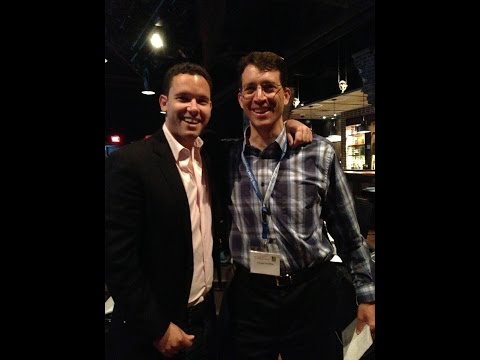
Here are more tips from successful traders and entrepreneurs:
Failures are just a part of life.
What it all comes down to is how well you deal with failures. And for that, I think we can learn a lot from successful entrepreneurs. Some studies suggest that as many as 8 out of every 10 businesses started fail within the first 18 months.
Can you even imagine taking a new job, knowing that you had an 80% chance of being fired within the first year and a half?
Download a PDF version of this post.
Those are tough odds, but entrepreneurs still start businesses every day. The key to their willingness to take on these risks comes from their acceptance of failure – something every stock trader can learn from.
20 Entrepreneurs on Failure
Kevin Hart, co-founder of the HB Agency:
“Don’t be afraid of failure. Lots of little failures will make you stronger. Every failure delivers a valuable lesson. Embrace it.”
Colin Wright, serial entrepreneur and founder of Ebookling:
“I’ve had almost as many failed businesses as I have successful ones. Most of my successes were built on top of something I learned from a previous misstep.
Being able to fail fast and recover faster is a massive asset as an entrepreneur, and the sooner you’re able to get past the stage where you feel sorry for yourself when something goes wrong, the better.”
Arianna Huffington, co-founder of the Huffington Post:
“I failed, many times in my life. But my mother used to tell me, ‘failure is not the opposite of success, it’s a stepping stone to success.’ So at some point, I learned not to dread failure. I strongly believe that we are not put on this Earth just to accumulate victories and trophies and avoid failures; but rather to be whittled and sandpapered down until what’s left is who we truly are.”
Richard Branson, founder of the Virgin Group:
“Do not be embarrassed by your failures, learn from them and start again.”
Robert Kiyosaki, American author, inventor and entrepreneur:
“Failure defeats losers, failure inspires winners.”
Ajaero Tony Martins, Nigerian entrepreneur and investor:
“Get mocked at for as much as you can, fail as much as you can but don’t quit. Let every mockery, every failure, be a source of inspiration for you to reach for greatness and that greatness will silence your critics.”
Tom Kelley, author and partner at IDEO consultancy:
“Fail often so you can succeed sooner.”
Oprah Winfrey, media personality:
“Be the one thing you think you cannot do. Fail at it. Try again. Do better the second time. The only people who never tumble are those who never mount the high wire. This is your moment, own it.”
Mark Cuban, serial entrepreneur, chairman of AXS TV and owner of Landmark Theaters:
“It doesn’t matter how many times you fail. It doesn’t matter how many times you almost get it right. No one is going to know or care about your failures, and neither should you. All you have to do is learn from them and those around you because all that matters in business is that you get it right once. Then everyone can tell you how lucky you are.”
Ekaterina Walter, CEO of Househappy:
“I learned that what you might think is the worst thing that ever happened to you in that moment might actually turn out to be the best thing that ever happened to you. So it turns out that the cliché “When one door closes, another door opens” is more than a cliché after all. You just need to be confident enough to see that other open door. And that requires that you not stare at the closed door too long.”
Chris Hardwick, American TV host and entrepreneur:
“No human ever became interesting by not failing. The more you fail and recover and improve, the better you are as a person. Ever meet someone who’s always had everything work out for them with zero struggle? They usually have the depth of a puddle. Or they don’t exist.”
Drew Houston, CEO and co-founder of Dropbox:
“Don’t worry about failure; you only have to be right once.”
Meridith Valiando Rojas, co-founder and CEO DigiTour Media:
“The greatest lesson I learned was that mistakes will not end your business. If you are nimble and willing to listen to constructive criticism you can excel by learning and evolving.”
Mary Kay Ash, founder of Mary Kay Cosmetics:
“When you reach an obstacle, turn it into an opportunity. You have the choice. You can overcome and be a winner, or you can allow it to overcome you and be a loser. The choice is yours and yours alone. Refuse to throw in the towel. Go that extra mile that failures refuse to travel. It is far better to be exhausted from success than to be rested from failure.”
Bill Gates, founder of Microsoft:
“It’s fine to celebrate success but it is more important to heed the lessons of failure.”
Max Levchin, former CTO of Paypal:
“The very first company I started failed with a great bang. The second one failed a little bit less, but still failed. The third one, you know, proper failed, but it was kind of okay. I recovered quickly. Number four almost didn’t fail. It still didn’t really feel great, but it did okay. Number five was PayPal.”
Ryan Harwood, CEO of PureWow:
“One of the biggest lessons I’ve learned isn’t from a particular failure but from missed opportunity: the worst decision is indecision. At the end of the day there is no right way or one way to run a business. I used to be so focused on doing things precisely like others who had success before me to avoid hitting snags, but that can ultimately hold you back. Ask questions, acquire mentors, gather knowledge and then make an educated decision and do what’s best for your business.”
Mike Maples, managing partner at Floodgate:
“It’s not the entrepreneur that failed. It’s the business that failed. In life, you win some and lose some. The trick is to fail aggressively. And to not have everyone take it personally. Not leave regrets in the playing field. Not everything is going to work in life.”
Jim Belosic, CEO of ShortStack:
“I “fail” probably once a week, maybe even once a day, I just think of them as mistakes, not failures. I’ll make the wrong decision or go down a path that our customers don’t want because I wasn’t listening, and then I have to backtrack.
Most people see the word failure and think “unrecoverable.” Instead, I see failures as mini test results. I tried something, it didn’t work, so let’s gather up what we learned and try again. I’ve never let my business get to a point of failure, I’ve set my guidelines and pivot if we start heading towards something that’s failing.”
Jeff Bezos, CEO and founder of Amazon:
“I knew that if I failed I wouldn’t regret that, but I knew the one thing I might regret is not trying.”
Learning to Live with Failure
I put that quote from Jeff Bezos last because I think it highlights one of the most powerful ways to learn to live with failure.
The bottom line is that we’re all going to fail at something. It might be stock trading, it might be a project you take on at work or it might be a new exercise plan you take on.
So if you’re going to fail anyways, why not take a chance on something big? At the end of your life, what will you look back on and regret not trying? Will you be happy with the fact that you let yourself stay too long at a dead end job, or will you be proud of the chances you took and the way you improved your life?
I work with a lot of students who get scared by the risks involved in stock trading, and because they’re so afraid of failing, they never pull the trigger on their first trades.
And, trust me, there are lots of things you can do to limit that risk. My techniques help me win about 75% of the time (but that’s a topic for another blog post…).
But you can’t eliminate risk entirely. Instead, you’ve got to get comfortable with failure. As the entrepreneurs above show, failure doesn’t have to end your career. Failing fast and learning from your mistakes are actually two of the best things you can do for your future as a trader.
Have another quote on failure that you like? Or want to share the ways you deal with and learn from failure? Leave me a comment below talking about what this subject means to you as a penny stock trader:

Leave a reply